
Reviewed · ABU SIMBEL TOURS
(3-Nights Cruise From Aswan To Luxor & Balloon, Abu Simbel)
Abu Simbel and a sunrise hot-air balloon flight over Luxor make this more than a standard Nile cruise. Over four days, you move from Aswan’s Nubian setting to the royal tombs and temples of ancient Thebes, with a private Egyptologist guide helping connect the monuments.
I like two things right away: the trip bundles the awkward parts, including hotel or port pickup, air-conditioned transfers, cruise lodging, meals, and the Abu Simbel journey. I also like the private format, which lets your guide adjust explanations and timing to your interests. Mohamed Rushwan, the local Luxor coordinator, has been praised for keeping arrangements smooth and responding quickly when problems arise.
The main caution is the fine print. At $349 per person, the price is appealing, but entrance fees are extra, and a serious booking complaint involved an overcrowded cabin and a last-minute date problem. Confirm your cabin setup, sailing date, and exactly what tickets are covered before paying.
In This Review
- Key points to know before booking
- Why this four-day Nile route works
- Day 1: Philae and the Aswan High Dam
- Day 2: Abu Simbel and the twin shrine at Kom Ombo
- Day 3: Edfu’s falcon temple
- Day 4: Balloon views and Luxor’s west bank
- Karnak and Luxor Temple: the grand finish
- What the $349 price really covers
- Cabin, timing, and service checks
- Who should choose this Nile cruise?
- Should you book it?
- FAQ
- How long does the Aswan to Luxor cruise last?
- What meals are included?
- Is Abu Simbel included?
- Is the hot-air balloon flight included?
- What happens if bad weather cancels the balloon ride?
- Are entrance fees included?
- Where does the tour end?
- Can I book a private room?
Key points to know before booking
- Abu Simbel takes most of Day 2: The temple complex is about a seven-hour stop, with the long Aswan transfer making this a very early and tiring day.
- The balloon flight begins around 4:30 a.m.: You need to be comfortable with an early start, and flights can be canceled for bad weather.
- Three nights are spent aboard the Nile cruise: Meals include lunch and dinner for the first three days, plus breakfast on all three cruise mornings.
- Entrance fees are not included: You pay most admission charges by card, while the High Dam and Philae motorboat require cash.
- The final day is packed: Valley of the Kings, Hatshepsut, the Colossi of Memnon, Karnak, and Luxor Temple lead to a Luxor finish around 4 to 5 p.m.
- The tour is private, but the cruise cabin needs checking: Your sightseeing group is only your own party, yet you should confirm whether your room is twin, double, or triple.
Why this four-day Nile route works
The route follows one of Egypt’s most rewarding sequences. Aswan gives you the southern gateway and Nubian setting, while Luxor delivers the great concentration of tombs and temples. Between them, the cruise makes stops at Kom Ombo and Edfu, so you see major monuments without arranging a new hotel and transfer each day.
That matters in Egypt. Road connections, early departures, ticketing, and finding the correct boat can eat up a lot of time. Here, the operator handles pickup, transport, the cruise, meals, and a guide. You still need to pay entrance fees, but the basic structure is already in place.
The private format is another practical advantage. You are not placed into a large sightseeing group for the land visits, and the guide can explain the sites at a pace that suits your party. One strong point of the service is the personal attention provided by the Aswan guides, who have been praised for clear explanations at Philae and Kom Ombo. The guide also adapted the program to personal preferences, which is useful when one person wants architectural detail and another simply wants the main story.
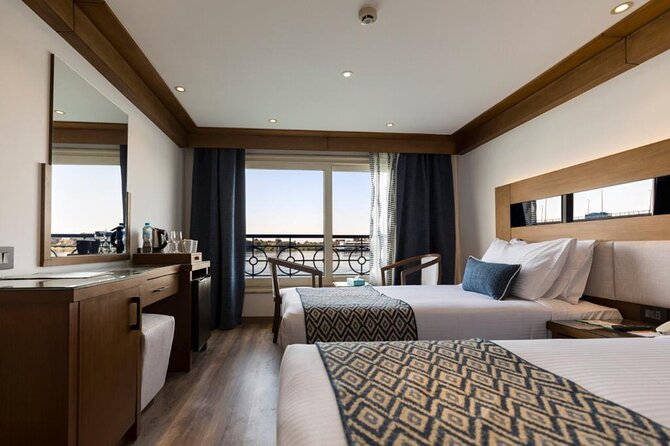
The cruise itself is not described as a luxury sailing. The information promises a cabin with facilities, meals, and three nights aboard, but it does not name the ship or give a cabin category. For that reason, treat the boat as practical accommodation rather than assume a high-end hotel on water.
More Boat Tours in Aswan
- 4-Days Nile Cruise From Aswan To Luxor including Abu Simbel and Hot Air Balloon
★ 5.0 · 3,142 reviews - 4-Day 3-Night Nile Cruise from Aswan to Luxor&Abu Simbel+Balloon
★ 5.0 · 2,023 reviews - 4-Day 3-Night Nile Cruise from Aswan to Luxor including Abu Simbel, Air Balloon
★ 4.5 · 612 reviews
Day 1: Philae and the Aswan High Dam
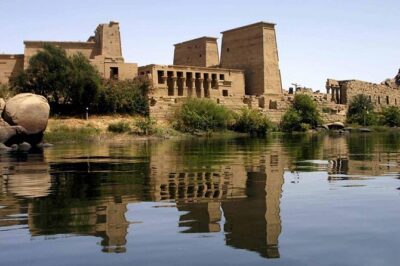
Your Aswan program begins with pickup and a motorboat ride to Philae Temple. The temple sits on an island, so the boat is not just a transfer. It is part of the arrival, giving you an approach across the Nile before you walk among the colonnades and sanctuaries.
Philae is especially interesting because its setting is tied to the modern reshaping of the river. The temple was moved to higher ground during the construction of the High Dam, preserving the monument from rising water. Your Egyptologist can explain that rescue project while you look at the carvings and the island setting.
The motorboat admission and the High Dam visit require cash, so keep Egyptian currency ready. The main monument admissions are generally paid by card, but you should not rely on a card for these two parts of the morning.
The Aswan High Dam is a large engineering stop, not an ancient monument. Built during Gamal Abdel Nasser’s era with Soviet assistance, it controls Nile flooding and produces electricity. The stated visit lasts about an hour and a half, which gives your guide time to explain its effect on farming, power, and the river itself.
Some people will find the dam less exciting than Philae. I still think it earns its place because it helps you understand why southern Egypt looks and functions as it does today. The tour then moves you onto the cruise, with the first night spent aboard.
There may also be a chance to visit Aswan’s local market at night. The wording presents this as an opportunity rather than a fixed guided visit, so ask your coordinator whether it is included in your evening plan. It can be a useful way to see daily life beyond the monuments, but the cruise check-in and next day’s Abu Simbel start should come first.
Day 2: Abu Simbel and the twin shrine at Kom Ombo
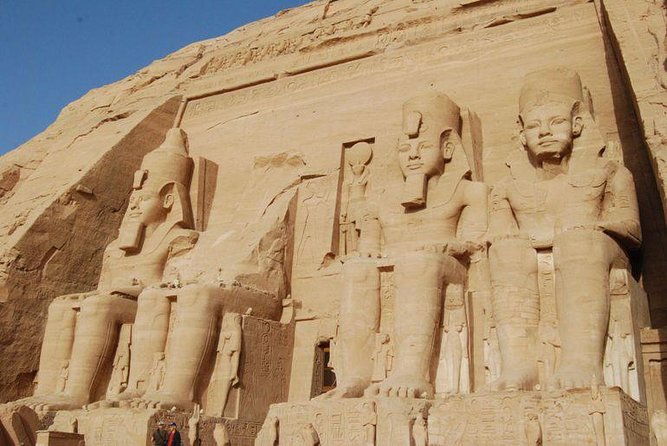
Abu Simbel is the day that shapes the whole trip. The temples are far south of Aswan, and the scheduled visit lasts about seven hours. That makes this a long outing, but it also gives you time to see one of Egypt’s most memorable monuments without arranging a separate overnight stay.
The complex was built under Ramses II in the thirteenth century BC. Four giant seated figures guard the main temple, while a second temple honors Queen Nefertari. The scale is the point: this was royal architecture designed to project power toward Nubia and Egypt’s southern neighbors.
The temples were later buried by sand and then rediscovered. In the modern period, the entire complex was moved to higher ground to save it from the waters created by the Aswan High Dam. That combination of ancient ambition and modern engineering gives Abu Simbel more than one story to tell.
The drawback is the road time. You should expect a very early start and a tiring return, followed by the cruise schedule. Wear practical shoes, carry water, and keep your expectations realistic. Abu Simbel is absolutely worth serious consideration, but it is not a relaxed half-day side trip.
If poor weather cancels the Abu Simbel visit, the stated refund is $25 per adult and $12.50 per child. That refund is modest compared with the importance of the stop, so ask how the operator handles the rest of the day if conditions change.
Kom Ombo offers a gentler second visit. The temple is unusual because it serves two gods: the crocodile deity Sobek and the falcon-headed Horus. Its two-part design includes paired sanctuaries, halls, and entrances, reflecting the local worship of both deities.
The visit is scheduled for about two hours. That is enough time to look at the carved reliefs and understand the double layout without racing through the site. Kom Ombo is also a good place for your guide to show how Egyptian temples changed under Ptolemaic and Roman rulers, since construction began under Ptolemy VI and decoration continued into the Roman period.
The cruise continues after this visit. The rhythm is simple: see a monument, return to the boat, eat, rest, and let the Nile carry you north. That rhythm is one of the best reasons to choose this trip over a string of separate hotel transfers.
Day 3: Edfu’s falcon temple
Around 5 a.m., you should be ready for Edfu. The early start is not a minor detail, especially after Abu Simbel the day before, but the timing gets you to the Temple of Horus before the later heat and crowds.
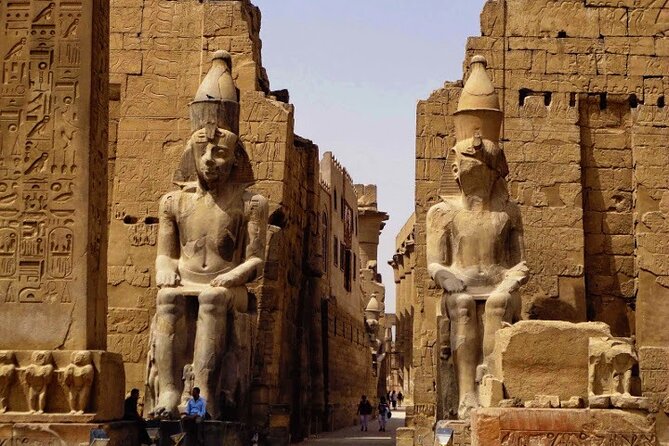
Edfu was an important city in Upper Egypt, and the temple honors Horus, the falcon god. The monument is known for its large entrance, broad courtyards, columns, and carved walls that preserve much of the temple plan. Compared with some other Egyptian sites, its structure is easy to read, which helps you picture how worshippers moved through the complex.
A horse-and-carriage ride is included. That can make the approach easier, since the temple sits away from the boat landing, and it adds a traditional local transport element to the morning. You may want to clarify the exact carriage arrangements with your guide before setting off.
The two-hour visit gives you enough time for a guided explanation and photographs. Since the day is otherwise less crowded with listed stops, it also provides a chance to rest aboard the cruise afterward.
Edfu is a strong stop for first-time Egypt visitors because it presents a complete temple rather than scattered remains. The early hour is the tradeoff. If you sleep poorly on boats or dislike dawn departures, factor that into your decision.
More Aswan trips worth a second look
- From Aswan: 3-Day Cruise to Luxor with Hot Air Balloon
★ 4.3 · 598 reviews - 4-Days Nile Cruise From Aswan To Luxor including Abu Simbel and Hot Air Balloon
★ 4.5 · 509 reviews - 4 Days Nile Cruise from Aswan to Luxor including Abu Simbel and Hot Air Balloon
★ 4.5 · 356 reviews - 4-Day 3-Night Nile Cruise from Aswan to Luxor With Balloon and Abu Simbel
★ 5.0 · 327 reviews
Day 4: Balloon views and Luxor’s west bank
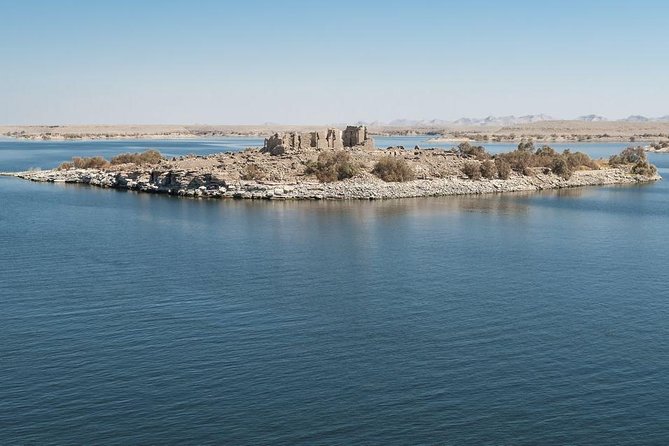
The last day starts before dawn, around 4:30 a.m., for the hot-air balloon ride. This is the trip’s most unusual feature, and it changes how you see Luxor. From above, the Nile, cultivated fields, desert edge, and archaeological sites form a clear picture of why ancient Thebes developed here.
The flight lasts about an hour, and the balloon admission is included. You may use a cellphone for photographs, but cameras are not allowed in the basket. A child under six cannot take part, and bad weather can cancel the flight. If that happens, the stated refund is $25 per adult and $12.50 per child.
The early start can make the final sightseeing day demanding. Still, I think the balloon adds real value because most temple visits keep you at ground level. Seeing the west bank from the air gives you a different sense of its size and its position across from modern Luxor.
The Valley of the Kings follows, with about two hours scheduled. This was the royal burial ground used for roughly 500 years between the sixteenth and eleventh centuries BC. Most of the tombs are in the eastern valley, where decorated passages lead down into the rock.
Entrance fees are extra, and the ticket rules for individual tombs can vary. Ask your guide which tombs are included in the basic admission and which require a separate ticket. The interior can be hot and close, so bring water and expect uneven walking surfaces.
Next comes the Temple of Hatshepsut at Deir el-Bahari. Its three broad terraces rise against the cliffs, giving it a very different look from the enclosed temple complexes along the river. Hatshepsut ruled as pharaoh and built this temple on the west bank opposite ancient Thebes.
The visit lasts about an hour and a half. Your guide can point out the surviving reliefs, statues, and the temple’s unusual horizontal design. Some decoration and color have been lost, but the terraces still make this one of Luxor’s most recognizable monuments.
The Colossi of Memnon is a short, 30-minute stop. These two large statues once guarded the memorial temple of Amenhotep III. They are about 19 meters high, and the name Memnon comes from the Greek story connected with a sound once heard from one of the statues at dawn.
Do not expect a long museum visit here. This is a quick roadside monument stop, but it gives you a sense of the size of royal monuments that have otherwise disappeared.
Karnak and Luxor Temple: the grand finish
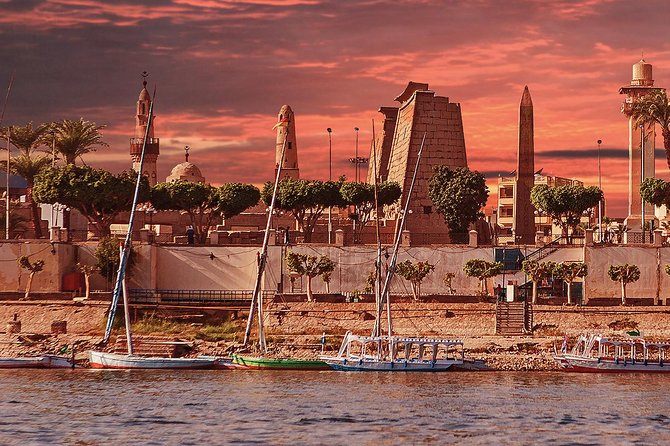
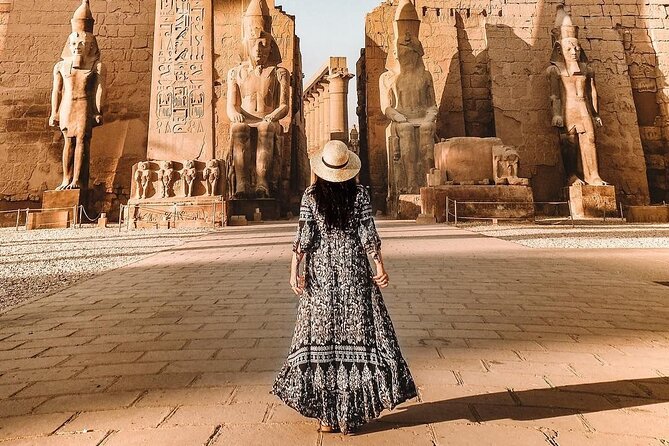
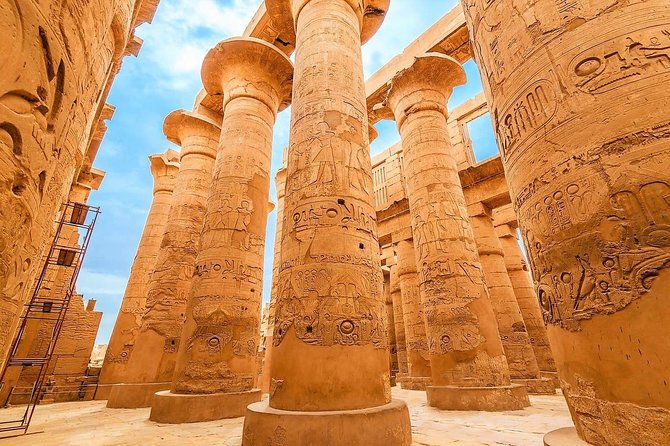
Karnak receives about an hour and a half, which is enough for a focused route but not for every corner of the huge complex. The site grew over many centuries, with major work continuing from the Middle Kingdom through the Roman period.
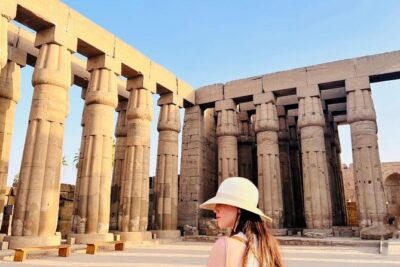
The central area is linked with Amun, his wife Mut, and their son Khonsu. You will see massive columns, courtyards, gateways, and evidence of generations of rulers adding their own marks. This is the place where a private Egyptologist guide is especially useful, since the scale can otherwise turn into a blur of stone and names.
Luxor Temple is the final listed stop, with about 45 minutes scheduled. Built mainly during the Eighteenth and Nineteenth Dynasties, it was dedicated to the Theban divine family and expanded by rulers including Amenhotep III and Ramses II.
The shorter visit means you should listen closely and keep moving with the group. Karnak is the larger and more complex site, while Luxor Temple gives you a compact final look at royal architecture in the city itself.
The tour ends in Luxor around 4 to 5 p.m. Drop-off can be arranged at Luxor Airport, the train station, or hotels on the east bank. An evening departure is the sensible choice because traffic or a longer final visit could affect your timing.
What the $349 price really covers
At $349 per person, the package can be good value for someone who wants the main Aswan to Luxor route organized in one booking. It includes three nights aboard, a cabin, breakfast for three mornings, three lunches, three dinners, guides, air-conditioned transport, hotel or port pickup and drop-off, the balloon flight, and a horse-and-carriage ride.
The big cost to add is admission. The listed temple and tomb entrance fees are not included, so your final total will be higher. You also need cash for the High Dam and Philae motorboat, while the other entrance charges must be paid by card according to the provided instructions.
Group discounts may be available, and a party of three receives a triple room arrangement. If you want your own room, book as a single person. Families should note that children from five to eleven sharing with parents are treated under the stated child rules, but a child from five to eleven traveling with one adult is treated as an adult for pricing. Children under six cannot join the balloon flight.
The operator also states that other languages can be arranged for an added charge. Ask about that before booking rather than assuming it is part of the standard price.
Cabin, timing, and service checks
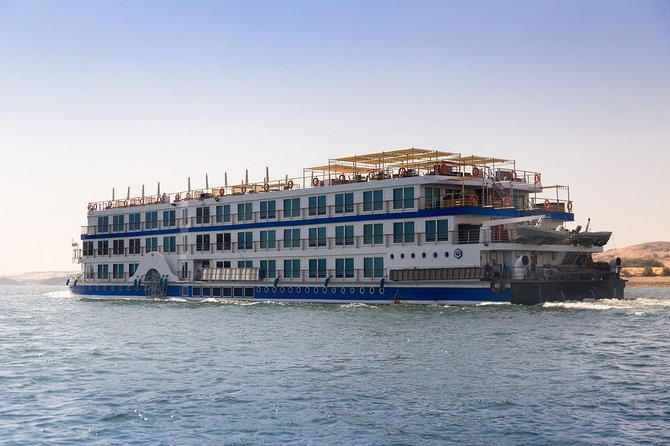
The most important practical check is the cabin. The tour promises a cabin with facilities, but the details provided do not identify the ship, deck, bed arrangement, or cabin size. Since one booking problem involved four people being placed in a room intended for two, get written confirmation of the room type and occupancy.
Also confirm the sailing date well before arrival. A prior booking problem involved a proposed date change shortly before departure, although the local agency ultimately kept the original date. The service was also praised for handling problems quickly, so save the local coordinator’s contact details and confirm the plan before you arrive.
The Aswan pickup can happen immediately if you arrive early, since cruise check-in is at noon. That is useful, but it means your arrival day may become a full sightseeing day rather than a slow check-in day.
The tour is private for your own party, and confirmation is provided at booking. Most people can participate, and the route is near public transportation, although the included pickup makes public transport largely unnecessary for the main program.
Who should choose this Nile cruise?
I would choose this for a first visit to Egypt if you want the major southern sights without arranging separate drivers, hotels, tickets, and boat transfers. It suits couples, families, and small groups who value a private guide and prefer a fixed plan.
It is also a good fit if Abu Simbel is high on your list. Many shorter Nile routes skip it because of the distance, while this plan gives the temple its own substantial day.
I would be more cautious if you need a quiet holiday, dislike early starts, or expect a clearly specified cruise standard. The 4:30 a.m. balloon departure, 5 a.m. Edfu visit, and long Abu Simbel day create a demanding schedule. The cruise may provide welcome rest, but you should confirm the vessel and cabin before committing.
At $349, the package offers useful convenience, but it is not an all-inclusive final price. Budget for admissions, cash expenses, tips, and any single-room or language supplement.
Should you book it?
Book this tour if you want maximum sightseeing in four days, especially Philae, Abu Simbel, Edfu, the Valley of the Kings, and the balloon flight. The private guide, included transport, meals, and cruise nights remove much of the usual planning work, and the service has earned strong marks for clear temple explanations and smooth local coordination.
Before booking, ask for the ship name, cabin photos or category, bed arrangement, confirmed sailing date, and a full list of entrance fees. If those answers are clear, this is a practical way to connect Aswan and Luxor. If the operator cannot confirm the cabin and schedule, pay more for a better-defined cruise rather than gamble on the cheapest option.
FAQ
How long does the Aswan to Luxor cruise last?
The experience lasts approximately four days and includes three nights aboard the Nile cruise.
What meals are included?
Meals begin with lunch on the first day and end with breakfast on the last day. The package includes three breakfasts, three lunches, and three dinners.
Is Abu Simbel included?
Yes, Abu Simbel is part of the planned program. The visit lasts about seven hours, but entrance fees are not included.
Is the hot-air balloon flight included?
Yes, the hot-air balloon flight is included and lasts about one hour. It begins around 4:30 a.m., and children under six cannot participate.
What happens if bad weather cancels the balloon ride?
The stated refund is $25 per adult and $12.50 per child if the balloon trip is canceled because of bad weather.
Are entrance fees included?
No. Entrance fees are extra. You will need to pay the High Dam and the Philae motorboat charges in cash, while the other entrance fees must be paid by card according to the tour instructions.
Where does the tour end?
The tour ends in Luxor around 4 to 5 p.m. Drop-off can be arranged at Luxor Airport, the train station, or hotels on Luxor’s east bank.
Can I book a private room?
Yes. If you want your own room, you need to book for one person. A group of three is placed in a triple room arrangement, according to the stated accommodation rules.
Recently reviewed around Aswan
- Philae Temple and Aswan High-Dam Half-day tour★ 5.0 · 49 reviews
- Sailing Nile Cruise from Aswan to Luxor for 2 Nights★ 4.5 · 139 reviews
- 4-Days Aswan sails Nile Cruise Luxor &Abu Simbel.Hot air Balloon★ 4.5 · 77 reviews
- Private Tour in Aswan : Felucca and Nubian village★ 5.0 · 29 reviews
- Day Tour to Abu Simbel from Aswan by Bus★ 4.5 · 25 reviews
- Abu Simbel Private Full-Day Tour from Aswan★ 5.0 · 114 reviews
- Nubian Village by Motorboat In Aswan★ 5.0 · 97 reviews
- Shared Day Trip to Abu Simbel from Aswan★ 5.0 · 17 reviews
Abu Simbel Tours, compared.
4-Days Nile Cruise From Aswan To Luxor including Abu Simbel and Hot Air Balloon
Read our review →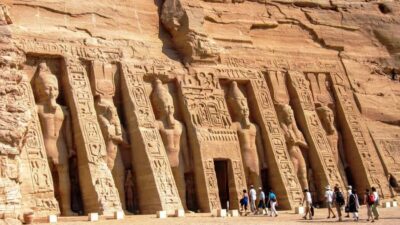
4-Day 3-Night Nile Cruise from Aswan to Luxor&Abu Simbel+Balloon
Read our review →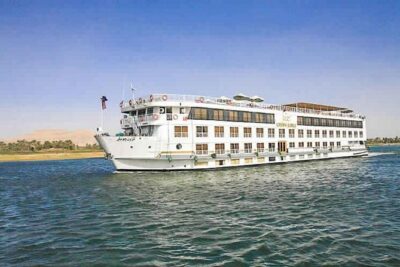
4-Day 3-Night Nile Cruise from Aswan to Luxor including Abu Simbel, Air Balloon
Read our review →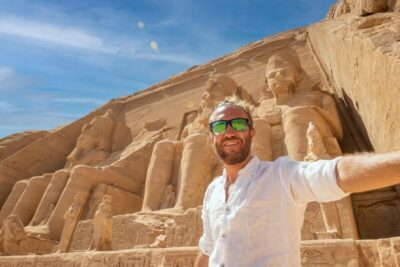
Abu Simbel Temple Private Guided Day Trip with Lunch
Read our review →4-Days Nile Cruise From Aswan To Luxor including Abu Simbel and Hot Air Balloon
Read our review →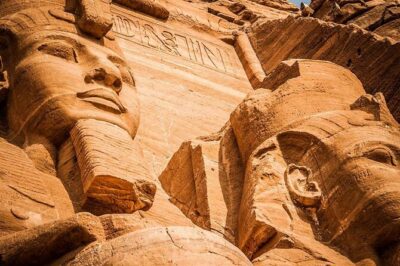
Private Day Tour to Abu Simbel Temples from Aswan
Read our review →4 Days Nile Cruise from Aswan to Luxor including Abu Simbel and Hot Air Balloon
Read our review →Browse the lists this tour appears in