
Reviewed · GIZA TOURS
All inclusive two days Tour at Giza and Cairo
The Giza pyramids are only the beginning of this two-day Cairo visit. You move from the Great Pyramid and the Sphinx to Memphis and Saqqara, then spend a second day among Coptic churches, Islamic monuments, mosques, and the crowded lanes of Khan el-Khalili.
I like the private format, since your guide can explain things at your pace and adjust the day around your interests. I also like the useful mix of major sights and local flavor, including Egyptian meals, old Cairo streets, and time at the bazaar. The main drawback is the amount packed into two days. You see a lot, but several stops receive only 30 to 60 minutes.
In This Review
- Key points at a glance
- Why two days works better than one
- Day one at Giza, from Khufu to the Sphinx
- Camel rides, horse rides, and the Valley Temple
- Memphis and Saqqara reveal an older Egypt
- One hour at the Egyptian Museum
- Coptic Cairo and the city’s layered faiths
- Khan el-Khalili and Al-Muizz Street
- Saladin’s Citadel and Muhammad Ali Mosque
- Transport, guide style, and comfort
- Who should book this two-day Cairo tour
- Should you book it?
- FAQ
- How long is the tour?
- Is the tour private?
- Is hotel pickup offered?
- Is there an extra transfer charge?
- Are meals included?
- Are taxes and entrance fees included?
- Is skip-the-line access included?
- Can I take a camel or horseback ride?
- Is the Egyptian Museum included?
- Can I cancel for a full refund?
Key points at a glance
- The pyramids come first: Spend about two hours at Khufu, Khafre, and Menkaure, with an optional paid interior visit.
- Saqqara adds real depth: See Djoser’s Step Pyramid, a noble’s tomb, and Teti’s Pyramid Texts.
- Day two covers three faiths: Visit Coptic churches, Ben Ezra Synagogue, and major Islamic sites.
- Private transport keeps the plan practical: Hotel pickup and drop-off are offered, and only your group joins the activity.
- Lunch and taxes are included: Two lunches are part of the price, while certain pickup zones cost an extra $10 per person.
- Guide quality matters here: Guides named in past experiences include Eman, Yasmina, Hajer, Karim, and Emad, with a strong focus on history, safety, photos, and personal service.
Why two days works better than one
Cairo and Giza cover a huge amount of ground. The pyramids sit west of the city, while the Egyptian Museum, Old Cairo, and Islamic Cairo require separate drives. Trying to squeeze all of this into one day would leave you rushing from one famous site to the next.
This two-day plan gives Giza and the older pyramid sites their own day, then reserves the second day for Cairo’s religious and urban quarters. That division makes sense. You can focus on pharaohs and tombs on day one, then switch to churches, mosques, markets, and medieval streets on day two.
At $135 per person, the value depends partly on the size of your group. Since this is a private tour, the price buys flexibility, a dedicated guide, transportation, hotel pickup and drop-off, two lunches, taxes, and skip-the-line access. For a small group that wants one organized plan, it can be a fair deal. Just confirm exactly what entrance tickets are covered, since entry inside a pyramid is specifically listed as an extra ticket.
The pickup offer is useful, but some locations carry a $10 per-person transfer supplement. That applies to airport hotels, Nasr City, 6th of October, and New Cairo. Check your hotel area before booking so the final price does not surprise you.
More Giza trips worth a second look
- 2 Days 1 Night to White and Black Desert from Cairo or Giza
★ 5.0 · 16 reviews - Hurghada: 2-Day Luxor Tour with Hotel, Balloon, & Boat Ride
★ 4.5 · 1,113 reviews - White & Black Desert tour 2 Days 1 night camping from Cairo.
★ 5.0 · 649 reviews
Day one at Giza, from Khufu to the Sphinx
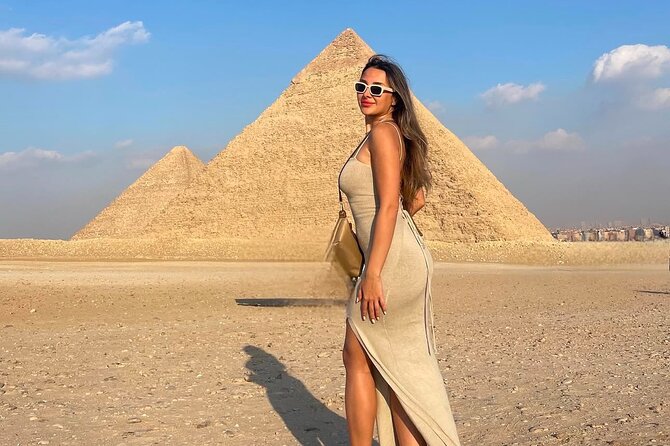
Your first major stop is the Giza Plateau, home to the three pyramids most closely linked with Egypt: Khufu, Khafre, and Menkaure. The visit lasts about two hours, which gives you time to hear the basic story of the site, walk between viewpoints, and take wide photographs of the monuments.
The Great Pyramid of Khufu is the star. It is the largest of the three and the only surviving member of the traditional Seven Wonders of the Ancient World. Your guide explains how the pyramids were built, why these royal monuments mattered, and what is known about their hidden spaces and construction.
Khafre’s pyramid often appears taller than Khufu’s because it sits on higher ground and retains some of its original outer casing near the top. Menkaure is smaller, but its scale helps you understand that the Giza complex was not built around one monument alone. You are looking at a planned royal burial area, not three isolated piles of stone.
You can also choose to enter one of the pyramids for an additional fee. This is worth considering if you want the physical experience of moving through a narrow interior passage. It is less useful if you expect decorated chambers or a museum display. The exterior views and the guide’s explanation are the main rewards for many people.
The plateau is a place where a guide earns their keep. Without context, you see enormous stone structures. With a good explanation, you begin to notice the relationship between the pyramids, the royal burial idea, the nearby temples, and the desert setting. Guides such as Eman, Yasmina, Hajer, Karim, and Emad have been praised for clear explanations, patience, and personal attention, though your assigned guide is not guaranteed by the tour details.
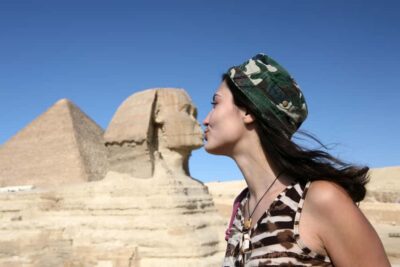
Next comes the Great Sphinx, with about 30 minutes set aside. The human-headed, lion-bodied monument faces the rising sun and has become one of Egypt’s most famous symbols. Your guide covers its legends, its link to royal power, and the questions surrounding its original purpose.
Thirty minutes is enough for the standard viewing area and photographs. It is not enough for a slow study of every detail, so use the time well. Ask your guide to point out the damaged nose, the scale of the paws, and the relationship between the Sphinx and the nearby Valley Temple.
Camel rides, horse rides, and the Valley Temple
A camel or horseback ride is offered as an optional experience. The description does not state its duration or price, so ask before agreeing. You should also treat it as an add-on rather than a central reason to book the tour.
The appeal is simple: you get a desert-side view of the pyramids and a classic Egyptian photo. If you prefer archaeology to animal rides, you can skip it and spend more time taking in the plateau.
The Valley Temple follows, with about 30 minutes. This funerary temple belonged to King Khafre and was used in the mummification process. Its large granite blocks and restrained design offer a different look from the pyramids, which are all about height and mass.
Here, listen for the connection between the temple, the Sphinx, and the royal burial complex. It is a short stop, but it helps turn Giza into a working funerary site rather than a collection of famous monuments.
Memphis and Saqqara reveal an older Egypt
After Giza, the route continues toward Memphis and Saqqara. These sites are especially valuable because they broaden the story beyond the three pyramids everyone already knows.
Memphis was the first capital of unified Egypt, founded by King Menes more than 5,000 years ago. The visit lasts about 30 minutes. It is not a huge city ruin spread across open ground, so the stop works best when you focus on the surviving objects and the role Memphis played as a center of royal power.
The Colossus of Ramses II is the main attraction. This massive limestone statue shows the scale and authority associated with one of Egypt’s best-known pharaohs. You also see the Alabaster Sphinx, a carefully preserved monument from the New Kingdom.
The short visit means you will not explore every corner. Still, Memphis is an important counterpoint to Giza. You move from pyramid-age royal monuments to later works that show how Egyptian rulers continued to use massive sculpture and temple art to present their power.
Saqqara receives about an hour and is, for many people, the strongest archaeological stop after Giza. The Step Pyramid of Djoser is the centerpiece. Designed by Imhotep, it is widely recognized as the world’s first pyramid and marks a major change in royal tomb design.
Its stacked form looks different from the smooth-sided pyramids at Giza. That difference is the point. Saqqara lets you see an earlier stage in the development of pyramid building, with a design that feels more like a series of rising platforms than one finished geometric shape.
You also visit one of the Tombs of the Nobles. The carved scenes show daily life, work, food, animals, and ritual activity. These details can make the past feel more human than a royal statue alone. You are not just looking at a ruler’s monument. You are seeing what people wanted to preserve about ordinary life.
The Pyramid of Teti provides another highlight. Inside, you can see Pyramid Texts, among the oldest religious writings known from ancient Egypt. Ask your guide to explain how these inscriptions were meant to support the king’s journey after death.
Saqqara offers broad desert views and distant pyramids, but the access and condition of individual areas can vary. Wear comfortable shoes, bring water, and protect yourself from the sun. The schedule is not overly long here, so your guide’s ability to focus your attention matters.
A different kind of day out, same part of Egypt:
- From Cairo: Half-Day Tour to Pyramids of Giza and the Sphinx
★ 4.6 · 2,891 reviews - Private guided tour to Giza Pyramids, and Great Sphinx
★ 5.0 · 1,755 reviews - Giza Pyramids and Sphinx: Half-Day Private or Group Tour
★ 4.4 · 1,424 reviews - Pyramids of Giza: 1-Hour Quad Bike Desert Safari
★ 4.5 · 930 reviews
One hour at the Egyptian Museum
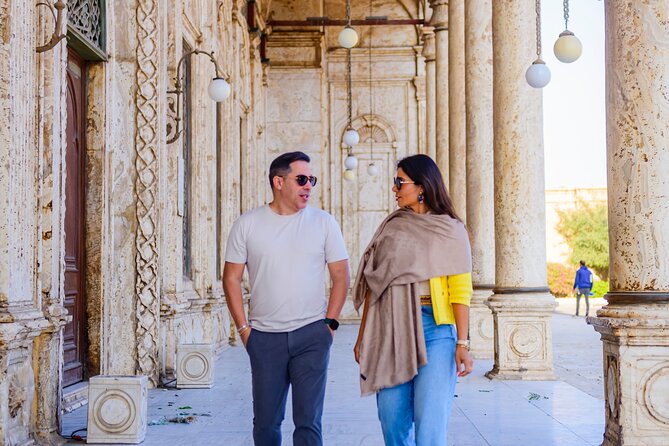
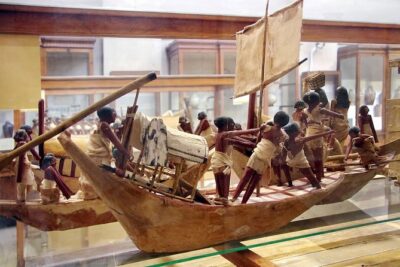
The Egyptian Museum is scheduled for about one hour. It is centrally located rather than in Old Cairo and contains a major collection of Egyptian artifacts, including objects connected with Tutankhamun.
One hour is a sampler, not a full museum visit. I suggest deciding in advance what matters most to you. You might focus on royal sculpture, funerary objects, or the Tutankhamun material, then let the guide explain a few pieces well instead of trying to see everything.
The listing describes admission here as free, while the tour also includes all fees and taxes. Because ticket arrangements can change, confirm the exact coverage at booking. The important practical point is that the museum visit is part of the planned day, but you should not expect enough time for a detailed tour of the full collection.
Lunch is included on day one, and another lunch is included on day two. The food is part of the package, though the exact restaurants and menu are not specified. One useful local dish mentioned in the supplied information is koshari, a filling mix of rice, pasta, lentils, chickpeas, and sauce. Ask your guide if it is available during your meals.
Coptic Cairo and the city’s layered faiths
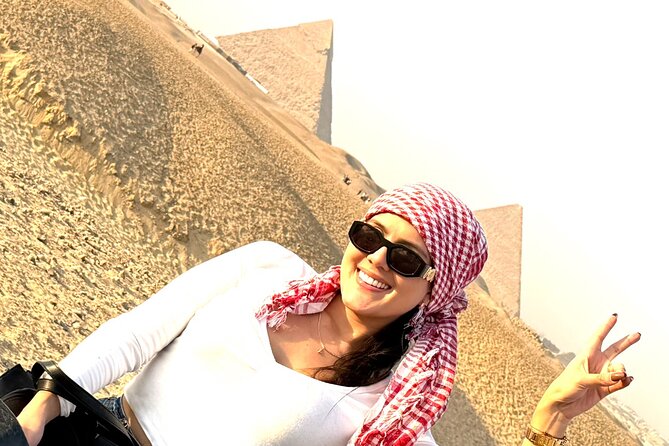
Day two begins in Coptic Cairo, where a one-hour visit covers important Christian sites. The Hanging Church, formally Saint Virgin Mary’s Coptic Orthodox Church, sits above a gatehouse of the Roman Babylon Fortress. Its position gives the church its memorable name and connects the building to the older defensive structure below.
Saint Sergius and Bacchus Church is also included. It dates to the fifth century and has strong links to the Holy Family’s journey through Egypt. These churches are not just quick photo stops. They help you understand Egypt as a country shaped by ancient Egyptian, Roman, Christian, Jewish, and Islamic traditions.
The Ben Ezra Synagogue receives about 30 minutes. Located near the Hanging Church, it dates back to the ninth century. Seeing it alongside the churches gives this part of Cairo unusual range, especially if your interests extend beyond pharaohs and pyramids.
Keep in mind that religious sites are active places of worship. Dress respectfully and follow instructions about photography. The schedule is fairly tight, so use your guide to identify the details that matter most instead of trying to inspect every room.
Khan el-Khalili and Al-Muizz Street
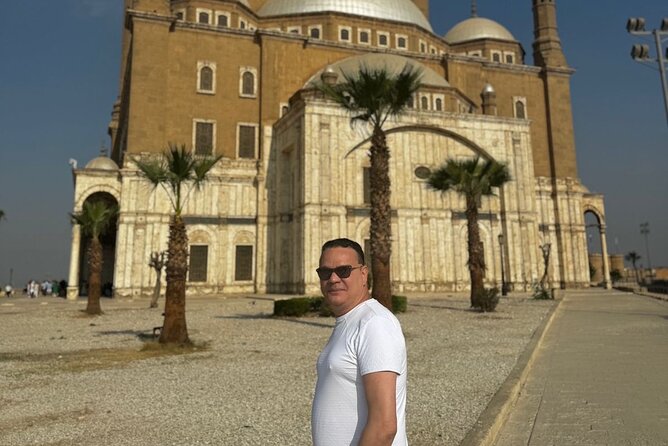
The route then shifts to the old streets around Khan el-Khalili Bazaar and Al-Muizz Street. This is where the tour moves from archaeological sites to daily city life.
Khan el-Khalili offers jewelry, spices, traditional goods, and plenty of opportunities to browse. Shopping here requires patience. Prices are often part of the conversation, so take your time and compare before buying. A guide can help you understand the process and may help you avoid paying more than you intended, but you should still make your own decisions.
Al-Muizz Street is one of Cairo’s oldest streets. Its mosques, palaces, and caravanserais display the architectural character of Islamic Cairo. The one-hour stop cannot cover the entire district, but it gives you a useful introduction to the street’s role as a route through the historic center.
This is also the part of the tour where guide personality matters most. Hajer, in particular, has been singled out for making the city feel more local and for taking visitors to local eateries. The experience can vary by guide, but the private setup gives you a good chance to ask for food, shopping, or street-life suggestions that fit your interests.
Expect noise, crowds, and persistent shopkeepers in the market area. That is part of the setting, but it can be tiring after a full morning. Keep your valuables secure, agree on prices before purchasing, and tell your guide if you need a quieter pause.
Saladin’s Citadel and Muhammad Ali Mosque
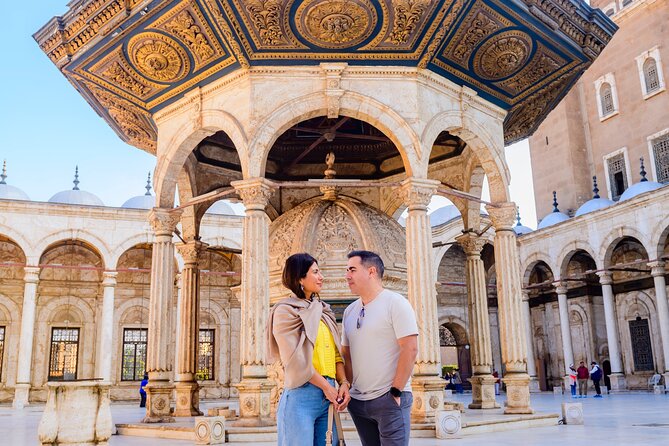
The final major section takes you into Islamic Cairo, beginning with the Citadel of Saladin. This large medieval fortification sits above the city and offers wide views across Cairo.
The Citadel is more than a lookout. It shows how rulers protected and governed the city from a strong defensive position. Inside, the Muhammad Ali Mosque is the visual centerpiece, with its large domes and minarets creating one of Cairo’s most recognizable views.
Al-Azhar Mosque is also included. Founded in 970, it became a major center of Islamic learning. The visit gives you a chance to connect Cairo’s architecture with its intellectual and religious role.
About an hour is allocated to this group of sights. That is enough for the principal areas and an explanation from your guide, but not for a slow architectural study. As with the churches and synagogue, modest clothing and respectful behavior are important.
Transport, guide style, and comfort
Hotel pickup and drop-off are offered, which removes much of the work of arranging transport between Giza, Memphis, Saqqara, central Cairo, and Old Cairo. The tour is private, so only your group participates. That is a major advantage for families, couples, and anyone who wants to pause for food or photos without waiting for a large bus.
The guides praised in the supplied experiences include Eman, Yasmina, Hajer, Karim, and Emad. The recurring strengths are clear explanations, friendly help, careful transport arrangements, good photographs, and attention to special needs. One account specifically describes a safe and comfortable day for a family with a child and a pregnant woman.
Those details matter because Cairo can feel demanding on a first visit. A guide who handles directions, timing, and local negotiations lets you give more attention to the monuments. Still, private does not mean slow. The schedule remains full, and you should tell the guide early if stairs, heat, long walks, or frequent breaks will affect your day.
The tour offers a mobile ticket and confirmation at booking. Most people can participate, but the supplied information does not give a detailed accessibility assessment. Ask the provider about mobility needs before reserving.
Who should book this two-day Cairo tour
I would choose this tour if you have only two days and want the main ancient sites plus Cairo’s religious and market districts. It suits first-time visitors who prefer one organized plan, families who value private transport, and small groups that want a guide rather than a self-guided introduction.
It is also a good fit if you want more than pyramid photographs. Saqqara, the Pyramid Texts, Coptic Cairo, Ben Ezra Synagogue, Al-Muizz Street, and Al-Azhar Mosque add useful context.
I would hesitate if you prefer long museum visits, quiet archaeological study, or a loose schedule. The Egyptian Museum gets only an hour, several sites receive 30 minutes, and the optional camel or horse ride may add to an already full day.
The tour has a 5 out of 5 rating from 15 listed reviews and a 100 percent recommendation rate. The strongest pattern is not one particular monument. It is the human side of the service: guides who explain clearly, help with photos, make visitors feel safe, and adjust the experience to personal needs.
Should you book it?
Book this two-day tour if you want a high-value first look at Cairo and Giza with private transport, meals, and a local guide handling the moving parts. The best reason to choose it is the range: pyramids, early pyramid design, royal statues, museum pieces, churches, a synagogue, mosques, a medieval fortress, and a traditional market.
Before paying, confirm your pickup area, the $10 airport-zone supplement if it applies, the exact entrance fees included, and the cost of entering a pyramid. If you accept a full schedule and treat each stop as an introduction rather than a complete study, this is a practical way to get your bearings in Egypt’s capital.
FAQ
How long is the tour?
The experience lasts approximately two days.
Is the tour private?
Yes. Only your group participates in this private activity.
Is hotel pickup offered?
Yes. Hotel pickup and drop-off are offered.
Is there an extra transfer charge?
Yes. A $10 per-person supplement applies for transfers from airport hotels, Nasr City, 6th of October, and New Cairo.
Are meals included?
Yes. Two lunches are included.
Are taxes and entrance fees included?
All fees and taxes are included. However, entry inside one of the pyramids requires an additional ticket.
Is skip-the-line access included?
Yes. Skip-the-line access is included.
Can I take a camel or horseback ride?
Yes. A camel or horseback ride is offered as an optional activity. The price and duration are not specified in the provided details.
Is the Egyptian Museum included?
Yes. The Egyptian Museum is part of day one, with about one hour scheduled. Its admission is listed as free.
Can I cancel for a full refund?
Yes. You can cancel at least 24 hours before the experience start time for a full refund. Cancellations within 24 hours are not refunded, and changes within 24 hours are not accepted. Poor weather may lead to a different date or a full refund.
Recently reviewed around Giza
- Full Day Trip from Cairo to Luxor★ 5.0 · 16 reviews
- Private half Day Tour to the Great 3 Pyramids of Egypt★ 5.0 · 15 reviews
- Private guide’s trip to Giza pyramids, Great sphinx valley temple★ 5.0 · 37 reviews
- VIP Tour inside Giza Pyramids★ 4.5 · 103 reviews
- Unique Tour to The Grand Egyptian Museum and 12 main galleries★ 4.0 · 38 reviews
- Full-Day Private Tour to Giza Pyramids, Sphinx, Memphis & Saqqara★ 5.0 · 106 reviews
- Elite Boats Tour in Cairo & Giza with Drinks Included★ 4.5 · 15 reviews
- Private Day Tour to Giza Pyramids & Sphinx , with Pickup★ 5.0 · 60 reviews
Giza Tours, compared.
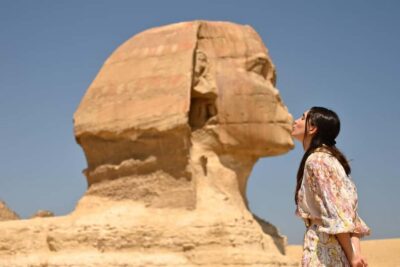
Half-Day Tour to Pyramids of Giza and the Sphinx
Read our review →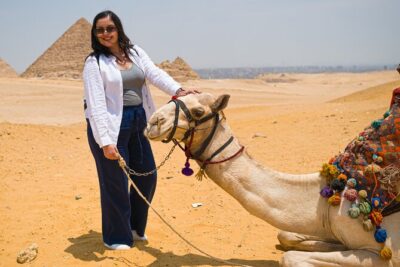
Private guided tour to Giza Pyramids, and Great Sphinx
Read our review →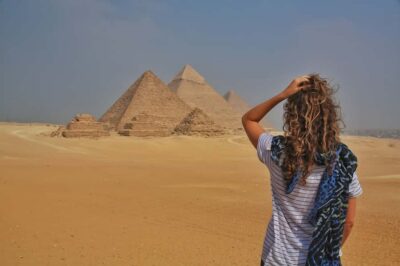
Giza Pyramids and Sphinx: Half-Day Private or Group Tour
Read our review →
Pyramids of Giza: 1-Hour Quad Bike Desert Safari
Read our review →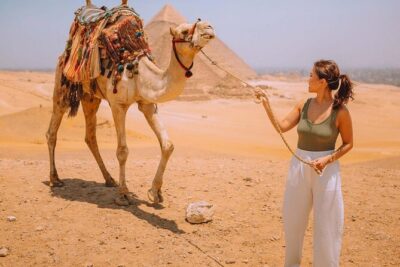
VIP Giza Pyramids,Sphinx,ATV bike,CamelRide,Shopping&DinnerCruise
Read our review →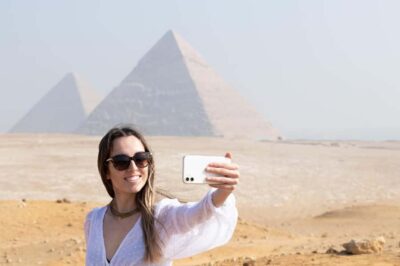
Browse the lists this tour appears in