Reviewed · HURGHADA TOURS
Hurghada SPACE OBSERVERS(Desert Stargazing)
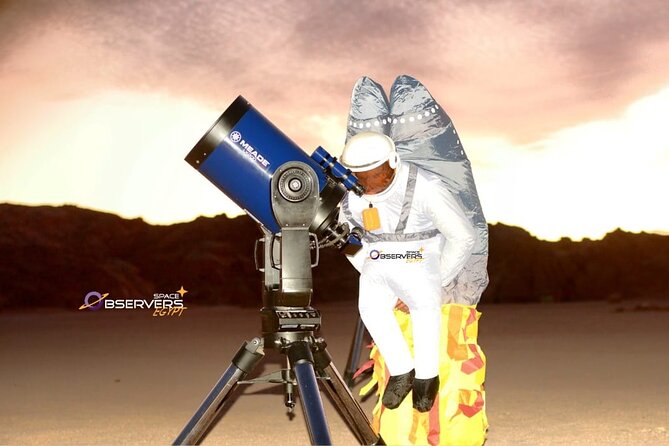
The best part of this Hurghada excursion comes after dinner, when the desert goes quiet and the sky takes over. Far from the city lights, you look for planets, constellations, the Milky Way, and distant objects through a 15-inch Meade telescope, with astronomy guides such as Ibrahim, Moussa, Adam, and Sedek explaining what you see.
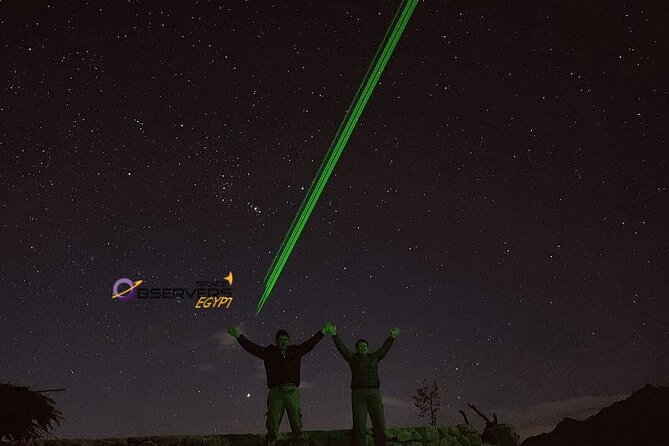
I like the combination of serious stargazing and simple desert life. You get Bedouin tea, bread, a buffet dinner, sunset views, and a chance to see camels before spending up to three hours with the telescope. I also like the friendly, hands-on guiding, especially when the guide uses a laser pointer to connect the stars with stories and clear explanations.
The main thing to consider is the ride. The journey can take 40 to 60 minutes on the road, followed by roughly 45 minutes over rough desert tracks in a side-facing jeep seat. It is part of the fun for some people, but anyone with back pain or motion sickness should think carefully before booking.
In This Review
- Key points at a glance
- Why this Hurghada night is different
- The ride from Hurghada into the desert
- Sunset above the Hurghada desert
- Bedouin tea, bread, and camp life
- What dinner is like under the stars
- The three-hour telescope session
- How much value do you get for $35?
- Who should book this desert stargazing tour?
- Practical tips for a better night
- Should you book Space Observers Egypt?
- FAQ
- How long does the Hurghada Space Observers tour last?
- Is hotel pickup included?
- Are there extra pickup charges?
- What does the $35 price include?
- Is dinner included?
- Will I ride a camel?
- What telescope is used?
- Can I see the Milky Way?
- Is the tour suitable for children?
- What happens if the weather is poor?
Key points at a glance
- A real dark-sky setting: The camp sits well outside Hurghada, where the Milky Way and bright planets can become visible away from city glare.
- Three hours set aside for astronomy: The telescope portion is the heart of the trip, not a quick photo stop after dinner.
- A 15-inch Meade telescope: The GPS-directed telescope is used for planets, stars, constellations, and deep-space objects.
- Sunset, tea, dinner, and desert customs: The evening begins with Bedouin hospitality before the sky grows dark.
- Bumpy jeep transport: Expect a rough ride across desert tracks, with side-facing seating in some vehicles.
- Good value at $35: Hotel pickup, dinner, tea, a desert visit, and guided astronomy are included, though some pickup areas cost extra.
Why this Hurghada night is different
Many desert outings near the Red Sea focus on speed, sand, and a quick cultural stop. This one uses those familiar elements as a lead-in to astronomy. You leave the hotel in a van or jeep, cross the desert, watch the sun set, eat at a Bedouin camp, and then wait for darkness to reveal what brought you here.
That order matters. At sunset, you are looking outward at the desert and mountains. Later, you are looking upward into space. The change gives the evening a natural rhythm and keeps the five-hour program from feeling like one long telescope lesson.
Space Observers Egypt began operating in 2008 and presents itself as a specialist astronomy company. The guides work in different languages, and the team includes several names that appear regularly in the operation: Ibrahim, Moussa, Adam, Sedek, Cidek, and Wasim. The quality of the evening depends partly on which guide leads your group, but the strongest reports point to clear astronomy explanations and warm, practical help throughout the trip.
The group can reach 27 people. That is not a private outing, so telescope time may be shared. One important tradeoff is that you may spend more time listening to the guide than handling the equipment yourself. If you want a highly technical observing session with long, uninterrupted viewing, this may feel structured. If you want an easy introduction to the Egyptian night sky, the format works well.
Other Hurghada days travellers weigh against this one:
- From Hurghada: Cairo and Giza Highlights Full-Day Tour
★ 4.5 · 6,014 reviews - Hurghada: Luxury Cruise Trip to Orange Bay with Lunch
★ 4.9 · 5,451 reviews - Hurghada: Orange Bay Island Boat Trip w/ Breakfast and Lunch
★ 4.9 · 5,345 reviews
The ride from Hurghada into the desert
Pickup and drop-off at your hotel or accommodation are included. The exact pickup time depends on your location and the season, since the program is built around sunset. The drive starts on regular roads, then moves toward the desert and the Bedouin camp.
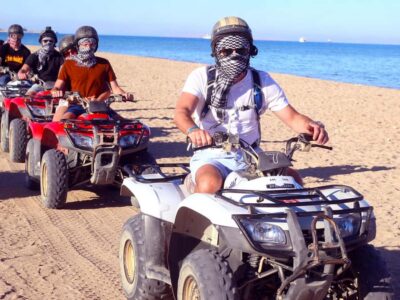
The off-road section is not a minor detail. Several descriptions place the full journey at around 40 to 60 minutes on the road and at least 45 minutes over bumpy ground. The jeep may have side-facing seats, and the ride can jolt and sway. Children often find this exciting, while people prone to motion sickness may want to take suitable precautions.
I would wear sturdy shoes and bring a light jumper or coat. The desert can feel warm at the start, then surprisingly cold after dark. You may also need to make a small climb over rocky ground to reach the sunset viewing area, so sandals are not the best choice.
The rough ride is part of the atmosphere, but it also limits who will enjoy the trip. This is not the right choice if you need a smooth transfer or have a serious back problem. The operator should also be told about mobility concerns before departure, since vehicle seating and the short rocky climb matter.
Sunset above the Hurghada desert
The first planned stop takes you about five kilometers into the desert to an observation point. You have roughly 30 minutes to see the sunset and take photographs before continuing to the camp.
The setting is simple and open. There are no city buildings in the immediate view, and the desert light changes quickly as the sun drops. This is a good time to take pictures, because once darkness arrives, the focus shifts to the stars rather than the scenery.
The sunset stop may include a short walk or climb over uneven ground. Watch your footing, especially in fading light. The program is not built around a long hike, but good shoes give you more freedom to move around and find a clear viewpoint.
A photographer may be available for an additional fee. One price mentioned for a photo package is €15, with a small fixed fee per family described in one account. That fee is not part of the $35 tour price, so ask the staff to confirm the current arrangement before agreeing. If you want pictures of yourself in the desert, it may be useful. If you prefer to take your own, you can simply skip it.
Bedouin tea, bread, and camp life
At the camp, you are welcomed with a cold drink and traditional Bedouin tea made with herbs. The tea is one of the more pleasant pauses in the evening. It gives you time to sit, cool down after the ride, and get a glimpse of desert hospitality before dinner.
The visit can also include a look at bread making, with women at the camp preparing bread in a traditional setting. You may see how the camp presents everyday Bedouin life, though this is a short tourist visit rather than a long cultural program.
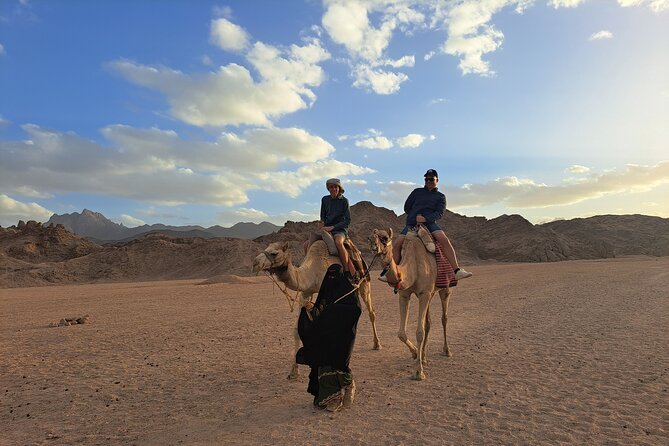
A camel ride is also included in the evening according to the experience descriptions, although the written stop-by-stop schedule does not list a separate duration for it. Treat it as a brief part of the camp visit, not a full camel safari. The camels add a memorable touch, especially for families, but the astronomy remains the reason to choose this particular outing.
The camp is basic. That is part of its appeal, but it also means you should not expect a polished resort or a museum-style cultural presentation. You are there for a quick, accessible introduction to desert customs, followed by dinner and the night sky.
A different kind of day out, same part of Egypt:
- Hurghada: Royal Seascope Submarine Cruise with Snorkel Stop
★ 4.4 · 4,637 reviews - Hurghada: 3 Islands, Dolphins & Snorkel Yacht Trip w/ Lunch
★ 4.7 · 4,609 reviews - Hurghada or Makadi: Discover the Magic of Dolphin House
★ 4.8 · 4,198 reviews - Sindbad Submarines – Hurghada (Egypt) – 2 Hours
★ 5.0 · 3,985 reviews
What dinner is like under the stars
Dinner is served as a candlelit Bedouin buffet, usually after the sunset portion and before the main astronomy session. Descriptions of the meal include rice, salad, kofta, chicken, and Bedouin bread. The food is presented as simple rather than elaborate, but it gives the evening a proper pause instead of leaving you dependent on snacks.
The candles make the meal feel special without turning it into a formal dining event. You eat in a calm desert setting, with the darkness building around you. That transition from dinner to stargazing is one of the strongest features of the program.
Portions may not satisfy everyone. If you have a large appetite, bring a small personal snack, provided it is practical for the desert and allowed by the operator. Food hygiene has been praised, but one person felt the quantity was limited. That is a fair warning: think of this as a light buffet dinner, not a feast.
Vegetarian or special dietary needs are not explained in the supplied information. Ask before booking if this matters to you. Do not assume the buffet will meet a particular diet without confirmation.
The three-hour telescope session
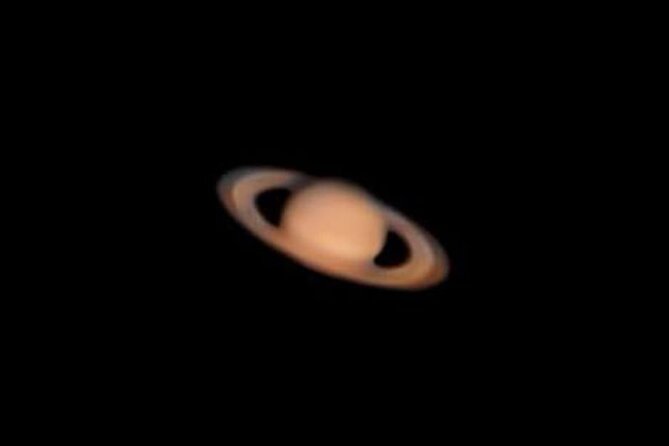
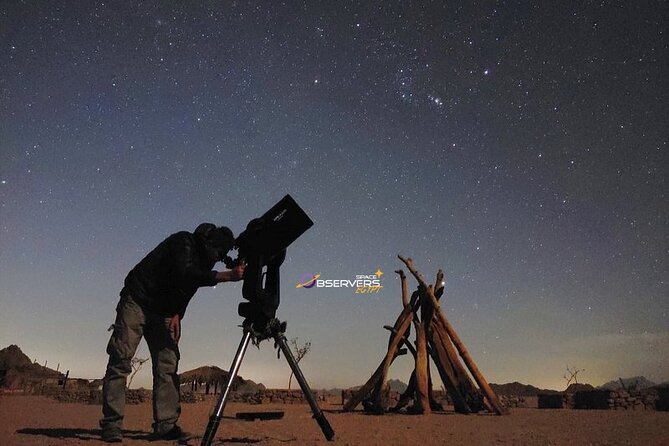
Once the sky is dark, the evening turns to its main event. The GPS-directed Meade telescope is used to locate planets, stars, constellations, and deep-space objects. The 15-inch size gives the guide a useful instrument for showing more than just the brightest points overhead.
You may see planets such as Jupiter and Saturn when they are visible during your visit. One evening included four of Jupiter’s moons. The exact objects change with the season, the hour, and current planetary positions, so nobody can promise a particular planet on a particular date.
The guide usually adds explanations about distance, planetary features, constellations, and the way the sky changes. Ibrahim has been praised for explaining both Bedouin life and astronomy. Moussa is known for pointing out stars and constellations with a laser pointer. Sedek has explained the moon, planets, and their characteristics in clear terms.
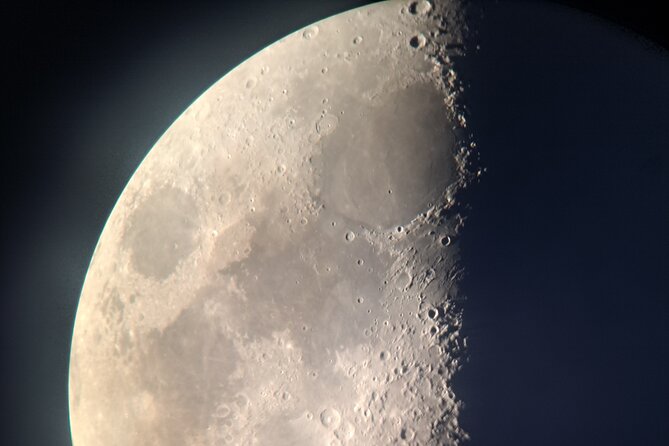
The Milky Way can appear from the dark desert site, but visibility depends on moonlight, haze, dust, and local conditions. A bright moon can make the Milky Way less distinct, even while making lunar viewing better. The night sky is not guaranteed to look identical every time.
You should also adjust your expectations about telescope access. The guide controls the session and moves the telescope between targets. One person wanted more telescopes and longer individual viewing time, which points to the main limitation of a group format. The stated astronomy period is about three hours, but that includes explanations and shared viewing, not three hours of private use.
For most people, this is a benefit rather than a problem. A good guide can help you notice details you would miss alone. Instead of staring at an anonymous bright dot, you learn what you are seeing and why it matters. The session works for children, couples, families, and adults who have never used a telescope.
How much value do you get for $35?
At $35 per person, the price is strong for a five-hour evening if your hotel is within the included Hurghada pickup area. The package covers transport, a desert camp visit, Bedouin tea, dinner, the camel stop, the telescope, and an astronomy guide.
The value comes from combining several smaller activities into one outing. A sunset trip alone would be shorter. A dinner alone would not get you far from light pollution. A private astronomy session would usually cost more. Here, the operator links them together and handles the transport.
There are extra charges for pickup from Sahl Hasheesh and Makadi Gouna at €10 per person, and from Safaga at €20 per person. Governmental fees in Hurghada are also listed separately, so confirm the final total before departure. This is especially important because a misunderstanding about additional payment caused serious frustration for one customer who did not join the trip.
The booking is mobile-ticket based, and confirmation is sent at the time of booking. The experience can accept most people, but the rough road and rocky ground make physical comfort an important part of the value calculation. A cheap tour is not good value if the ride leaves you in pain.
Who should book this desert stargazing tour?
I would recommend it to you if you want more than a standard jeep safari and have a real interest in seeing the Egyptian sky. It suits families because the ride, camels, sunset, and telescope give children several different things to enjoy. The astronomy explanations also make the evening more than a series of photo stops.
Couples may like the candlelit dinner and quiet desert setting. Friends can enjoy the bumpy ride as part of the adventure, then settle in for the telescope session. Beginners are welcome because the guide explains the sky in plain language rather than assuming you already know astronomy.
You should think twice if you have back pain, a weak stomach, or difficulty with uneven ground. The operator’s schedule says five hours, but the return can run later than expected. One account specifically warns that the outing may last longer than four hours, so do not schedule a tight evening appointment afterward.
Weather matters as well. Cloud, dust, or poor conditions can reduce the value of the astronomy portion. The tour requires suitable weather, and if it is canceled for that reason, you can choose another date or receive a full refund.
Practical tips for a better night
- Bring a warm layer. Desert temperatures can fall after sunset.
- Wear shoes with a firm sole for the rocky sunset viewpoint.
- Consider motion-sickness medicine if you normally need it for rough rides.
- Tell the operator about back problems before pickup.
- Keep your phone or camera ready at sunset, when the light changes quickly.
- Confirm any pickup surcharge and governmental fee before leaving your hotel.
- Expect a shared telescope session, not private observatory time.
- Plan a late return, since the five-hour estimate can stretch.
The best way to approach the evening is to see it as a mix of desert outing and astronomy lesson. If you judge it only as a telescope event, the shared viewing may feel limiting. If you judge it as transport, sunset, tea, dinner, a camel stop, and several hours beneath a dark sky, the price makes much better sense.
Should you book Space Observers Egypt?
Yes, if you want an affordable, full-evening introduction to desert astronomy and you can handle a rough jeep ride. The strongest reasons to book are the dark setting, the long telescope session, the clear explanations from guides such as Ibrahim and Moussa, and the way dinner and Bedouin customs fit naturally around the stargazing.
I would skip it if smooth transport, private telescope time, or a substantial dinner matters most to you. Before paying, confirm your pickup zone, the complete price, the expected return time, and whether a camel ride and photography option are operating that evening.
For $35 within the included Hurghada area, this is a good-value choice for curious families, couples, and first-time sky watchers. Pack a coat, accept the bumps, and let the desert dark do the work.
FAQ
How long does the Hurghada Space Observers tour last?
The advertised duration is approximately five hours. The return may be later than the stated estimate, so leave extra time in your evening plans.
Is hotel pickup included?
Yes. Pickup and drop-off from your hotel or accommodation are included for the covered Hurghada area.
Are there extra pickup charges?
Yes. Pickup from Sahl Hasheesh or Makadi Gouna costs €10 per person, while pickup from Safaga costs €20 per person. Confirm the current charge before booking.
What does the $35 price include?
The price includes hotel pickup and drop-off, candlelight dinner, Bedouin tea with herbs, a visit to the Bedouin village, use of the GPS-directed Meade telescope, and guidance from professional astronomy specialists.
Is dinner included?
Yes. A candlelight Bedouin buffet dinner is included. The meal is described as including items such as rice, salad, kofta, chicken, and Bedouin bread.
Will I ride a camel?
A camel ride is described as part of the desert visit. The supplied schedule does not state how long the ride lasts.
What telescope is used?
The experience uses a GPS-directed Meade telescope with a 15-inch observatory setup.
Can I see the Milky Way?
The desert location is away from Hurghada’s city lights, so the Milky Way may be visible. Actual visibility depends on weather, dust, haze, and moonlight.
Is the tour suitable for children?
Most people can participate, and the experience is described as suitable for all ages. The rough jeep ride and uneven ground may not suit every child.
What happens if the weather is poor?
If poor weather causes cancellation, you will be offered a different date or experience, or a full refund. Free cancellation is also available when you cancel at least 24 hours before the start time.
Recently reviewed around Hurghada
- 2 Hours Catamaran and Semi Submarine with Snorkeling in Hurghada★ 5.0 · 39 reviews
- Hurghada Private Guided City Tour with Shopping★ 4.5 · 64 reviews
- From Hurghada: 5 Days 4 Nights Nile Cruise Luxor-Aswan With Tours★ 5.0 · 30 reviews
- Cleopatra Massage Sauna, Jacuzzi, Steam bath w/transfer-Hurghada★ 4.0 · 16 reviews
- Cairo pyramids tour from Hurghada and Nile boat without Stopping★ 4.5 · 42 reviews
- Full-Day Pyramids of Giza Tour from Hurghada★ 4.0 · 16 reviews
- Cleopatra’s Royal Spa Retreat – VIP Massage, Sauna & Jacuzzi Exp★ 5.0 · 18 reviews
- Private Giza Pyramids & Sphinx Day Tour with Lunch from hurghada★ 4.5 · 28 reviews
Hurghada Tours, compared.
Orange Bay Island Boat Trip w/ Breakfast and Lunch
Read our review →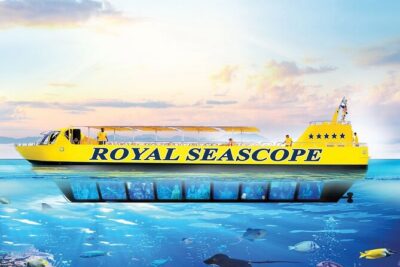
Royal Seascope Submarine Cruise with Snorkel Stop
Read our review →
3 Islands, Dolphins & Snorkel Yacht Trip w/ Lunch
Read our review →
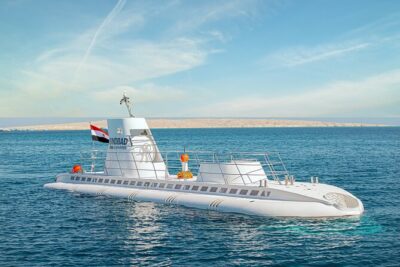
Sindbad Submarines – Hurghada (Egypt) – 2 Hours
Read our review →