

Reviewed · ABU SIMBEL TOURS
10 Day Ultimate Egypt Tour & Nile Cruise From Luxor to Aswan & Abu Simbel Inc
The great strength of this 10-day Egypt trip is its sweep. You move from the Pyramids and Old Cairo to the tombs of Luxor, then drift south by boat toward Aswan and Abu Simbel. An Egyptologist stays with you throughout, turning a long list of ancient sites into a story you can follow.
I like two things right away: the four-night Nile cruise gives you a slower middle section after busy Cairo, and the route includes the major sites most first-time visitors hope to see. I also like that this is a private tour, so only your group takes part.
The weak point is hotel consistency. One account describes the guides as fabulous but reports very dirty hotel rooms and an unsuccessful request for a change. At this price, that is a serious concern, so confirm the hotel names and room standards before paying.
In This Review
- Key points at a glance
- Why this route works so well
- Days 1 and 2: Arrival, Giza, Saqqara, and Memphis
- Day 3: Cairo’s museum, churches, fortress, and market
- Day 4: Flying south to Luxor
- Day 5: Karnak and Luxor Temple on the east bank
- Day 6: Three royal tombs, Hatshepsut, and the Colossi
- Days 7 and 8: Edfu, Kom Ombo, and Abu Simbel
- Cruise comfort, hotels, and the real value of $2,905
- Who will enjoy this Egypt itinerary most
- Should you book it?
- FAQ
- How long is the Egypt tour?
- Where does the tour begin?
- Is hotel pickup available?
- Is the tour private or shared?
- Is an Egyptologist included?
- How many nights are spent on the Nile cruise?
- Which meals are included?
- Is Abu Simbel included?
- Is Tutankhamun’s tomb included in the Valley of the Kings ticket?
- What is the cancellation policy?
Key points at a glance
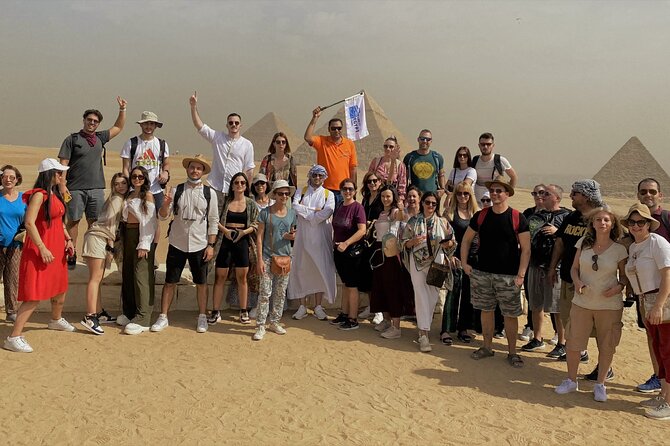
- The Pyramids, Saqqara, and Memphis arrive early: Your first full touring day covers Egypt’s most famous ancient monuments and the country’s old capital.
- Cairo gets more than a quick pyramid stop: You visit the Egyptian Museum, Coptic Cairo, the Citadel, and Khan Al-Khalili.
- Four nights on the Nile connect Luxor and Aswan: The cruise replaces repeated long road transfers with a more relaxed way to move through Upper Egypt.
- The Valley of the Kings includes three tombs: Tutankhamun’s tomb requires a separate ticket, according to the tour details.
- Abu Simbel takes a full day: Allow about nine hours for this major excursion from Aswan.
- The price covers many costly pieces: At $2,905 per person, the package includes guiding, transfers, entrance fees, hotels, flights between Cairo and Luxor, a full-board cruise, and listed meals.
Why this route works so well
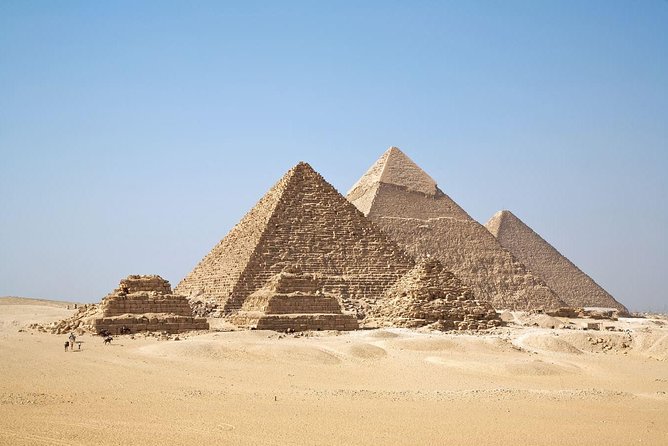
Egypt can be tiring to plan. The sights are spread between Cairo, Luxor, Edfu, Kom Ombo, Aswan, and Abu Simbel, and the distances are not small. This package solves much of that puzzle by combining road transfers, a domestic flight, and a four-night boat journey.
You begin in Cairo, where the Pyramids provide the big first impression. Then the trip shifts south to Luxor, the main gateway to Egypt’s ancient Theban sites. From there, the cruise carries you toward Aswan, with stops at Edfu and Kom Ombo before the final Abu Simbel excursion.
That order has a practical benefit. Cairo is dense, noisy, and packed with major sights. The cruise gives you a change of pace. You still have full sightseeing days, but the boat becomes your base instead of another hotel and another transfer.
This is not a leisurely ten days. Several days combine multiple ancient sites, and Abu Simbel takes around nine hours. You will see a great deal, but you should expect early starts, heat, walking, and plenty of time on the road or boat.
More Boat Tours in Cairo
- Cairo: Dinner Cruise on the Nile River with Entertainment
★ 4.2 · 2,190 reviews - Cairo: Nile Sunset Dinner Cruise, Show & Optional Transfer
★ 4.1 · 2,184 reviews - Cairo: Nile Dinner Cruise with Belly Dancer Show with Pickup
★ 4.4 · 835 reviews
Days 1 and 2: Arrival, Giza, Saqqara, and Memphis
On arrival, assistance meets you, helps with the arrival formalities, and transfers you to your hotel. The schedule is intentionally light on this first day, with an overnight stay at the hotel.
Your first full day begins with the Giza Pyramids and the Sphinx. You have about three hours here, with admission included. This is the moment when Egypt becomes real: the Great Pyramid, the other Giza pyramids, and the Sphinx are not museum pieces viewed from a distance. They occupy a huge plateau, and the scale is difficult to grasp until you are standing beside them.
Your guide matters here. Without context, the site can become a scramble for photographs and quick facts. With an Egyptologist, you can better understand the role of the pyramids, the Sphinx, and the wider Giza complex.
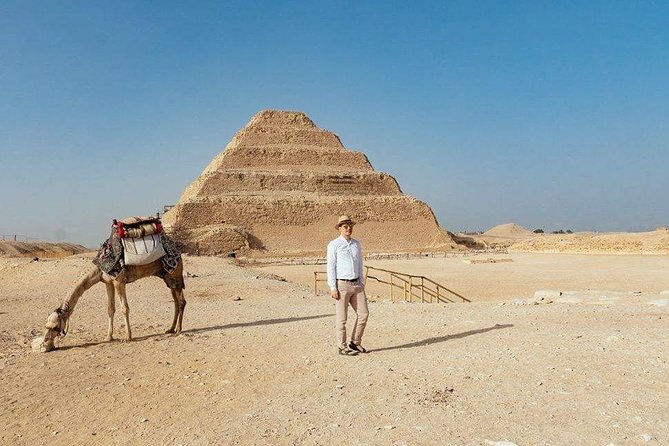
Next comes Saqqara and the Step Pyramid of Djoser. The pyramid rises in six diminishing levels and is associated with Imhotep, one of ancient Egypt’s best-known architects. It is often described as Egypt’s earliest major stone structure, making it an important stop even though it lacks the instant fame of Giza.
You have about two hours at the Step Pyramid. That is enough time to appreciate the design and hear how earlier mastaba tombs developed into the stepped form. The site also connects nicely with the Pyramids: you are seeing the experiment that helped lead to the later smooth-sided pyramids.
The day ends at Memphis, once the ancient capital of Lower Egypt. The visit lasts about an hour and includes the huge statue of Ramses II and an alabaster sphinx associated here with Hatshepsut. Memphis is more fragmentary than Giza, but that is part of its value. You see the remains of a working capital rather than a single perfect monument.
This is a full opening day. Comfortable shoes help, and you should save some energy for Saqqara. The attraction is not only the number of sites, but the sequence from early tomb design to the famous royal monuments.
Day 3: Cairo’s museum, churches, fortress, and market
Cairo’s second touring day offers a useful change from open-air monuments. At the Museum of Egyptian Antiquities, you spend about two hours among a collection of roughly 120,000 ancient Egyptian objects, with a representative selection on display.
Two hours is enough for an introduction, not enough for everything. Your guide can help you avoid wandering through display after display without a plan. Focus on the objects and periods your guide explains best, then accept that you will leave plenty unseen.
Coptic Cairo follows, with about an hour at the historic district that includes the Babylon Fortress, the Coptic Museum, the Hanging Church, the Greek Church of St. George, and other Christian sites. The stop adds an important layer to the trip. Egypt is not only pharaohs and temples; Cairo’s religious story continued long after the ancient kingdoms ended.
You then visit the Cairo Citadel, a medieval Islamic fortification on Mokattam Hill. The site is preserved, and its position gives you broad views across the city. After several days of ancient monuments, the Citadel helps you see Cairo as a medieval and modern capital too.
The final stop is Khan Al-Khalili, the major bazaar in Islamic Cairo. You have about an hour, which is enough for a first walk through the market lanes and perhaps a little shopping. Keep your expectations sensible. This is a tourist attraction as well as a local market, so prices and sales talk can be part of the experience.
I like this day because it prevents the tour from becoming one long parade of temples and tombs. The drawback is pace. Four stops in one day leave limited time at each, so this will suit you best if you want a broad introduction rather than long, unhurried museum visits.
Day 4: Flying south to Luxor
You fly from Cairo to Luxor, then visit the Luxor Museum and the Mummification Museum. The Cairo to Luxor flight is a major time saver compared with traveling overland.
The Luxor Museum has a smaller, carefully selected collection drawn largely from temples and the Theban necropolis. The displays cover the end of the Old Kingdom through the Mamluk period. It is a good place to prepare for the monuments you will see next because the collection is more manageable than Cairo’s enormous museum.
The Mummification Museum explains the tools, materials, coffins, and religious ideas connected with the process. Displays include the mummy of Maserharti, a 21st Dynasty high priest of Amun, as well as mummified animals. A small spoon and metal spatula used in the process are among the more unsettling details.
The schedule lists one minute for the Mummification Museum, which is clearly too short for a meaningful visit. Treat the actual timing as something to confirm with the local guide. It may be a data-entry error, but you should not assume the stop will receive a full hour.
This day is lighter than the next two, though flights and transfers can still make it feel long. Once you reach Luxor, the museums provide a quieter introduction before the large temple complexes.
More Nile Cruises in Cairo
- Cairo: Dinner Cruise on the Nile River
★ 4.2 · 741 reviews - 2-Hour Nile River Dinner Cruise From Cairo
★ 4.5 · 672 reviews - Private Felucca Ride on the Nile River
★ 4.2 · 537 reviews - Cairo Private Felucca OnThe Nile River With Pickup and Soft Drink
★ 4.5 · 438 reviews
Day 5: Karnak and Luxor Temple on the east bank
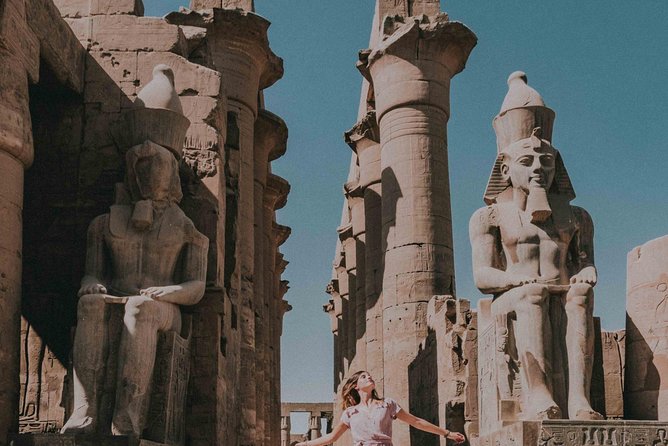
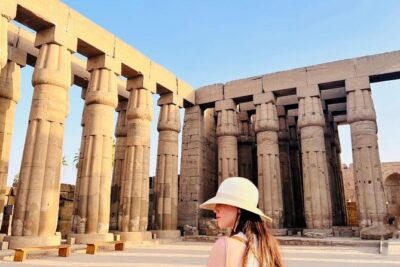
Karnak Temple receives about two hours. This huge complex was dedicated mainly to Amun and grew over many centuries, beginning as early as 2000 BC. It is not one single temple in the simple sense. It is a large religious center with layers of construction, columns, courts, and sacred spaces.
A guide is especially useful at Karnak because the scale can defeat casual sightseeing. Two hours allows a strong overview, but you will not see every corner. Pay attention to the relationship between the spaces rather than trying to photograph every column.
Luxor Temple follows, with about an hour. Built around 1400 BCE and known in ancient Egyptian terms as the southern sanctuary, it sits on the east bank in the modern city of Luxor. Its setting makes it feel different from Karnak. Karnak is sprawling; Luxor Temple feels more direct and urban.
Together, these two stops make a good pair. Karnak shows a vast religious complex shaped by many rulers. Luxor Temple gives you a more focused monument and a clear sense of how ancient buildings remain part of a living city.
The day has only two listed stops, but the walking can add up. Carry water, use sun protection, and listen closely to meeting instructions. Losing your group among large temple courts would be an avoidable nuisance.
Day 6: Three royal tombs, Hatshepsut, and the Colossi
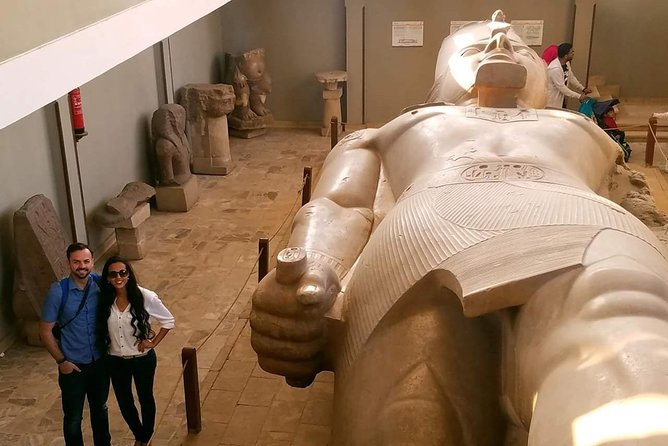
The Valley of the Kings is one of the trip’s essential visits. You have about three hours to explore the ancient burial ground of New Kingdom pharaohs. A standard ticket permits entry to three tombs, while Tutankhamun’s tomb requires an additional ticket.
That distinction matters. Tutankhamun’s tomb is famous because it was found almost intact in 1922, but the regular three-tomb admission does not include it. Ask your guide which three tombs are open and best suited to the day’s conditions.
Inside the tombs, the painted walls and reliefs are often the real reward. The rooms are not grand because of their size. They are important because their decoration records beliefs about death, the gods, and the journey to the afterlife. Photography rules and conservation limits can change, so follow the instructions on site.
The Temple of Hatshepsut at Deir el-Bahari takes about an hour. Hatshepsut ruled for roughly 16 years and presented herself as a male king, a political choice reflected in her statues and official images. Her temple’s terraces rise against the cliffs, giving the visit a strong sense of place without needing a long explanation.
The Colossi of Memnon are a brief roadside-style stop at two massive statues of Amenhotep III. They have faced the Theban plain for around 3,400 years. You do not need hours here, but the scale makes a quick look worthwhile.
This is another demanding day. The Valley involves walking over uneven ground and moving between tomb entrances in exposed conditions. The reward is one of the clearest connections between ancient Egyptian belief and the physical remains left behind.
Days 7 and 8: Edfu, Kom Ombo, and Abu Simbel
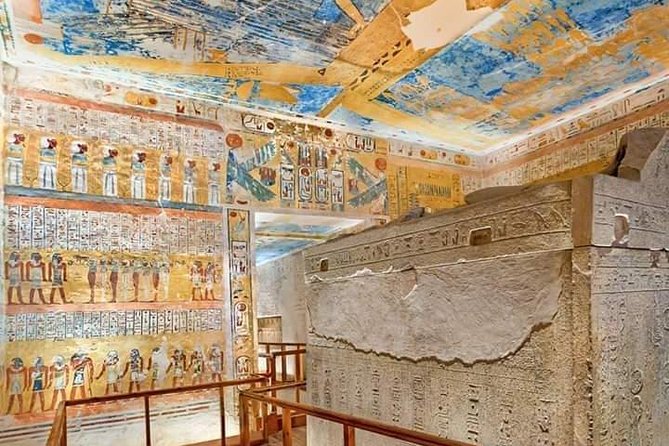
The cruise becomes the center of the trip as you travel south. At Edfu, you visit the Temple of Horus, built between 237 and 57 BC. It is among Egypt’s best-preserved ancient monuments, partly because desert sand covered it after the old pagan cult was banned.
The temple’s intact roof helps you picture how an ancient sanctuary felt as a complete building. It was dedicated to Horus, the son of Isis and Osiris, and the reliefs give your guide plenty to explain. The listed visit lasts about three hours, making Edfu one of the more substantial cruise excursions.
Kom Ombo is different. It is a double temple built during the Ptolemaic period, from about 180 to 47 BC. One half honored Sobek, the crocodile god linked with fertility and creation, while the other was associated with Horus.
You have about two hours here. The paired design is easy to grasp and makes a welcome contrast with Edfu’s single main dedication. This is also one of those stops where a guide’s explanation adds real value, since the shared space can otherwise seem confusing.
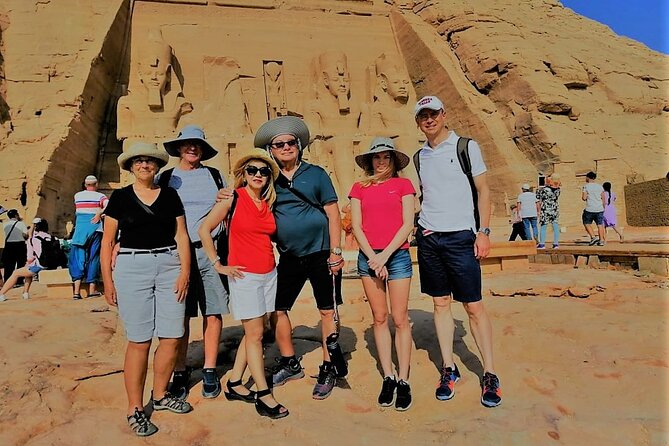
Abu Simbel takes about nine hours, so plan for a very long day. The complex contains two massive rock temples near the border with Sudan, on the western bank of Lake Nasser, roughly 230 kilometers southwest of Aswan.
The temples were built for Ramses II and his queen, though the supplied details focus mainly on the scale and location of the complex. The journey is demanding, but Abu Simbel is not a minor add-on. Its enormous seated figures and rock-cut design make it one of the most memorable monuments in southern Egypt.
The price includes admission to Abu Simbel and round-trip transfers, which is important because arranging this excursion independently can add both planning work and cost. Still, the nine-hour schedule may not suit you if you need a slow holiday. It is best viewed as the trip’s major final effort.
Cruise comfort, hotels, and the real value of $2,905
The package costs $2,905 per person. That is a substantial sum, but it covers much more than sightseeing. Included are a qualified Egyptologist, private round-trip transfers, the Cairo to Luxor and Aswan to Cairo flight segments described in the schedule, entrance fees, hotels, and four nights on a full-board Nile cruise.
The cruise is listed as MS Blue Shadow or MS Concerto, or a similar vessel. Because similar can mean different things, ask for the confirmed ship before departure. The cruise includes breakfast, lunch, and dinner for the four nights, while the wider package lists eight breakfasts, seven lunches, and four dinners.
That meal count is worth reading carefully. The phrase all meals can sound broader than the detailed inclusions. Check which meals are covered on arrival, departure, and hotel days, and ask about drinks and any optional items.
Private touring is another reason the price may make sense. Only your group participates, which can make airport transfers, sightseeing, and questions easier to manage. It does not guarantee a small group unless your booking is for a small party, but it does mean you are not joining a large shared departure.
The main financial warning is accommodation. One account praises the guides but describes extremely dirty hotels and says a room-change request was not resolved, despite the impression that empty rooms were available. That is not a minor complaint on a 10-day trip.
Before booking, request the names of the Cairo and Luxor hotels, the cruise ship, and the hotel category. If the operator cannot give clear answers, the package becomes harder to judge at this price.
Who will enjoy this Egypt itinerary most
I would choose this tour if you want the major ancient sites handled in one organized trip and do not want to coordinate domestic flights, cruise schedules, entrance tickets, and transfers yourself.
It suits first-time visitors who want both Cairo and Upper Egypt. It also works well for people who prefer a private trip with an Egyptologist rather than a large coach group.
You should think twice if you want long stays at individual sites, flexible free time, or luxury hotel standards without checking the details. The pace is fixed, Abu Simbel is long, and the accommodation concern needs a direct answer before booking.
The guides are the strongest part of the experience according to the supplied account, but no guide names are provided in the tour information. Ask who will lead your group and whether the same Egyptologist will accompany you for the full route.
Should you book it?
Book this tour if its broad coverage is the main goal. You will see Giza, Saqqara, Cairo’s major historic districts, Luxor’s east and west banks, Edfu, Kom Ombo, Aswan, and Abu Simbel, while the Nile cruise breaks up the transfers.
At $2,905, the value depends on the hotel and ship you actually receive. The included tickets, guiding, meals, flights, private transfers, and cruise make the price easier to defend, but the poor accommodation report means you should confirm those details in writing.
The cancellation policy allows a full refund when you cancel at least six full days before the start time. Cancellations two to six days ahead receive a 50% refund, and cancellations less than two days before the start receive no refund. If the operator confirms solid hotels and a suitable cruise, this is a strong, efficient first look at Egypt. If those answers stay vague, choose a package with clearer accommodation details.
FAQ
How long is the Egypt tour?
The experience lasts approximately 10 days.
Where does the tour begin?
The tour is based in Cairo, with arrival assistance and a transfer to your hotel on the first day.
Is hotel pickup available?
Pickup is offered, and round-trip private transfers are included.
Is the tour private or shared?
It is a private activity, so only your group participates.
Is an Egyptologist included?
Yes. A qualified Egyptologist guide is included, and the tour information says an expert guide will accompany you throughout the tour.
How many nights are spent on the Nile cruise?
The package includes four nights aboard a full-board Nile cruise, on MS Blue Shadow, MS Concerto, or a similar ship.
Which meals are included?
The listed inclusions are eight breakfasts, seven lunches, and four dinners.
Is Abu Simbel included?
Yes. The Abu Simbel Temple Complex is included, along with admission and round-trip transfer arrangements.
Is Tutankhamun’s tomb included in the Valley of the Kings ticket?
No. The standard Valley of the Kings ticket allows visits to three tombs, while Tutankhamun’s tomb is excluded.
What is the cancellation policy?
You can receive a full refund if you cancel at least six full days before the start time. A cancellation two to six full days ahead receives a 50% refund, while a cancellation less than two full days before the start is nonrefundable.
Recently reviewed around Cairo
- White Desert Overnight Camping Sharing Tour in Egypt★ 5.0 · 15 reviews
- Cairo Best 2Days tour Pyramids, Saqqara & Old Cairo★ 5.0 · 15 reviews
- Giza Pyramids with (GEM) Grand Egyptian Museum★ 5.0 · 42 reviews
- visit the pyramids of Giza + the necropolis of Saqqara + the Memphis site.★ 4.5 · 20 reviews
- sunset at Giza pyramids by camels★ 5.0 · 31 reviews
- Tour to Giza pyramids Memphis Sakkara and Felucca on the Nile★ 5.0 · 16 reviews
- Private Giza pyramid,sphinx, Mummification temple& inside pyramid★ 5.0 · 32 reviews
- Private guided shopping tour in Khan el-Khalili with Lunch★ 4.5 · 21 reviews
Abu Simbel Tours, compared.
4-Days Nile Cruise From Aswan To Luxor including Abu Simbel and Hot Air Balloon
Read our review →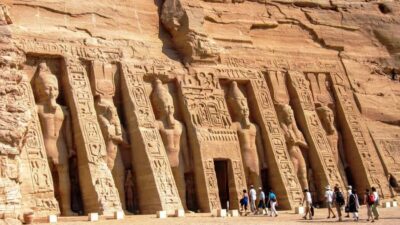
4-Day 3-Night Nile Cruise from Aswan to Luxor&Abu Simbel+Balloon
Read our review →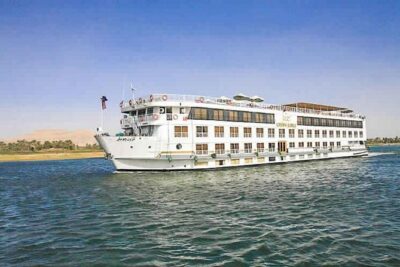
4-Day 3-Night Nile Cruise from Aswan to Luxor including Abu Simbel, Air Balloon
Read our review →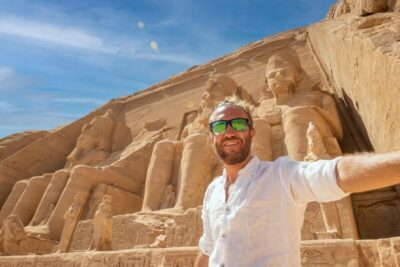
Abu Simbel Temple Private Guided Day Trip with Lunch
Read our review →4-Days Nile Cruise From Aswan To Luxor including Abu Simbel and Hot Air Balloon
Read our review →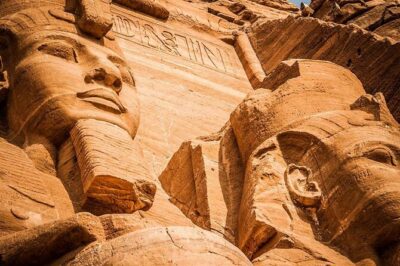
Private Day Tour to Abu Simbel Temples from Aswan
Read our review →4 Days Nile Cruise from Aswan to Luxor including Abu Simbel and Hot Air Balloon
Read our review →Browse the lists this tour appears in