
Reviewed · CAIRO TOURS
2 Days in Giza, Cairo and Safari in Faiyum
The big appeal here is the unusual pairing: the pyramids and Egyptian Museum on one day, then Faiyum’s lakes, waterfalls, desert, fossils, and pottery village on the next. I like the private format, which lets you ask questions and set the pace, and I like having an Egyptologist guide such as Mimo to explain what you are seeing rather than leaving you to decode it alone.
The air-conditioned vehicle matters in Cairo, and the 4×4 matters even more once you leave the city. The main drawback is the amount of ground covered. Faiyum is about 95 kilometers from Cairo, and the day includes several far-flung stops, so you should expect long hours and a fair amount of time in the vehicle.
In This Review
- Key points at a glance
- Two days that connect pharaohs with fossils
- Day one: meeting the pyramids at Giza
- The Egyptian Museum and its enormous collection
- Khan el Khalili, Cairo’s old market quarter
- Day two: leaving Cairo for Faiyum
- Wadi El-Rayan waterfalls and desert scenery
- Wadi Hitan and the story beneath the sand
- Tunis Village, pottery, and a more personal Faiyum
- Guides, drivers, and the private-tour advantage
- What the $239 price really covers
- Who should book this two-day plan?
- Should you book it?
- FAQ
- How long does the experience last?
- What time does the tour start?
- Is pickup available?
- Is this a private tour?
- What is included in the price?
- Is entry inside the pyramids included?
- Which Giza monuments are included?
- How far is Faiyum from Cairo on this tour?
- What places are visited in Faiyum?
- What happens if bad weather cancels the tour?
- Can I cancel for a full refund?
Key points at a glance
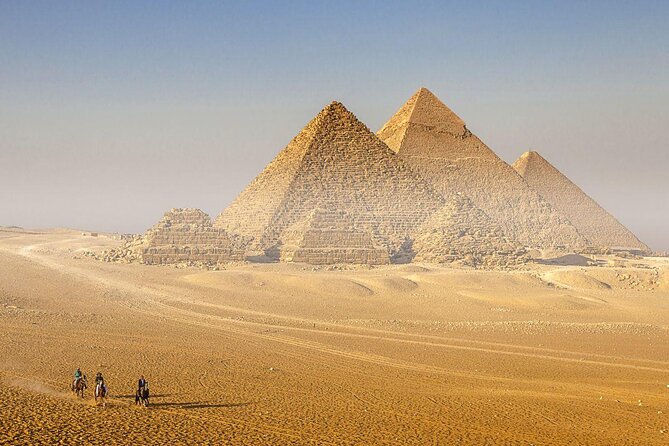
- The Great Pyramid, two neighboring pyramids, and the Sphinx: You see the main monuments of the Giza Plateau with admission included.
- A private guide and vehicle: Your group travels on its own, with an Egyptologist guide and an air-conditioned vehicle.
- Faiyum by 4×4: The second day moves beyond Cairo to Lake Qaroun, Wadi El-Rayan, Wadi Hitan, and Mudawara Mountain.
- Wadi Hitan’s ancient whale fossils: This UNESCO-listed desert site explains how an area that is now dry land was once underwater.
- Tunis Village pottery: You can watch young artisans at work, visit pottery shops, and try pottery yourself.
- $239 per person with major costs covered: Entrance fees, transport, the 4×4, guide, and lunch are included, though entering the pyramids costs extra.
Two days that connect pharaohs with fossils
This is a strong choice if you want Cairo’s essential ancient sights but do not want your entire Egyptian visit to stop at monuments. Day one is classic Cairo: the three main pyramids, the Great Sphinx, the Egyptian Museum, and Khan el Khalili. Day two changes the mood completely, taking you to Faiyum for lakes, desert tracks, waterfalls, and fossils.
I especially like the contrast. The Giza Plateau gives you the monumental side of ancient Egypt. Wadi Hitan gives you a much older natural story, with fossilized whale remains in a desert that was once covered by water. Tunis Village adds a human, modern touch through pottery and local craft.
This is a private tour, so only your group takes part. That makes a difference at sites where you may want to linger, ask questions, or take photographs. The guides and drivers named in the experience include Mimo, Hossam, Haroun, Ayman, Yaser, Abdolghany, Redar, Mohamed, Belal, Oss, and others, so your exact team may vary. Mimo is the guide most often associated with the experience, and the strongest praise centers on his Egyptian history explanations, patience, photography help, and friendly manner.
More Cairo trips worth a second look
- From Cairo: Desert Safari, Camel Ride, Magic Lake, & Lunch
★ 4.9 · 1,273 reviews - From Cairo 4×4 Safari, Camel Ride, Magic Lake, Waterfalls & Lunch
★ 5.0 · 390 reviews - Cairo: Giza Pyramids Tour with Quad Bike Safari & Camel Ride
★ 4.4 · 149 reviews
Day one: meeting the pyramids at Giza
The morning begins at about 8:00 a.m., with pickup offered. Your first major stop is the Giza Plateau, where the monuments are not simply old buildings but the surviving centerpieces of Egypt’s Old Kingdom.
You see the Pyramid of Cheops, also called the Great Pyramid, dating to about 2500 B.C. It is followed by the Pyramid of Chephren, described here as the son of Cheops, and the Pyramid of Mycerinus, the grandson of Cheops. The three pyramids differ in scale and appearance, and seeing them together helps you understand that Giza was a planned royal burial area rather than one isolated structure.
The scheduled pyramid visit lasts about two hours. That is enough time for an introduction, exterior views, photographs, and an explanation of how and why the pyramids were built. A guide can also help turn the site into a connected story: royal power, burial beliefs, engineering, and the workers and systems needed to create monuments of this size.
The Great Sphinx is part of the same stop. Its human head and lion’s body make it one of Egypt’s most recognizable images, but the real value of seeing it with a guide is learning how it relates to the Giza Plateau and the royal monuments around it. Plan for sun, sand, and walking. The tour requires a moderate level of physical fitness, and comfortable footwear is sensible.
The tour includes admission to the listed sites, but entering the interior of the Giza pyramids costs extra. That distinction matters. If you want to go inside, ask about the extra ticket before the visit begins and budget for it separately. The exterior experience is still the main event, but interior access is a different, more enclosed experience and may not suit everyone.
The Egyptian Museum and its enormous collection
After Giza, the route continues to the Museum of Egyptian Antiquities for roughly two hours. The museum houses more than 100,000 ancient Egyptian objects, ranging from small amulets and household tools to enormous statues.
Two hours gives you a useful first look, not a complete museum visit. That is a good reason to have a guide. Without help, a collection this large can become a blur of cases and carved figures. With an Egyptologist explaining selected pieces, you can focus on what matters and ask about the objects that catch your eye.
I like the balance between the open-air scale of Giza and the museum’s close-up look at daily life, religion, royal display, and craft. The pyramids show what a kingdom could build. The museum helps you see the smaller objects that made that society work.
The air-conditioned vehicle is also welcome here. Cairo can be hot, and the cool ride between stops gives you a short break. The schedule is full, though, and the museum follows the pyramids, so you may be ready for lunch or a rest by this stage. Lunch is included in the tour package, but the supplied details do not specify the exact restaurant or meal.
Khan el Khalili, Cairo’s old market quarter
The final listed stop on day one is Khan el Khalili, with about an hour to walk and shop. The bazaar is described as a 1,000-year-old market among old buildings and mosques, with shops operating in a historic setting.
An hour is enough to get a taste, browse, and buy a small item, but not enough for a long, unhurried exploration of every lane. You should treat this as a lively final stop rather than a dedicated shopping tour. Sellers are part of the experience, and the pace can feel more demanding than the museum or pyramids.
Bring Egyptian pounds if you want to shop or pay for small purchases. One useful practical tip is to carry extra water, especially on the pyramid day. The schedule combines outdoor walking, indoor sightseeing, and city traffic, so small comforts matter.
A different kind of day out, same part of Egypt:
- Cairo: Pyramids & Great Sphinx Private Tour with Camel Ride
★ 4.9 · 6,335 reviews - Tour to Giza Pyramids and The Egyptian Museum
★ 5.0 · 6,016 reviews - VIP All inclusive Best of the best Giza Pyramids,Sakkara,Memphis
★ 5.0 · 3,164 reviews - From Cairo: Pyramids of Giza, Sphinx, Saqqara & Memphis Tour
★ 4.7 · 3,110 reviews
Day two: leaving Cairo for Faiyum
The second day begins with hotel pickup in an air-conditioned 4×4 vehicle. The drive to Faiyum is about 95 kilometers, and the long transfer is part of the day’s character. This is not a quick side trip from central Cairo. You are heading into a different setting, and the route takes time.
Breaks for tea or coffee and snacks are mentioned along the way, but you should still bring water and something small to eat if you need regular refreshments. The 4×4 is a practical choice for the desert portions of the route, while air conditioning keeps the long drive manageable.
The first stop is Lake Qaroun, connected in the tour’s explanation with Sobek, the crocodile god, and the ancient cult center associated with him. The scheduled visit lasts about 30 minutes. It is a brief stop, so expect a chance to look across the lake, hear the ancient connection, and take in the change from Cairo’s urban setting to Faiyum’s open surroundings.
Lake Qaroun is not the most time-consuming stop, but it helps establish the region’s identity. Faiyum’s water and fertile areas have long made it different from the surrounding desert. You get a quick introduction before moving on to the larger natural sites.
Wadi El-Rayan waterfalls and desert scenery
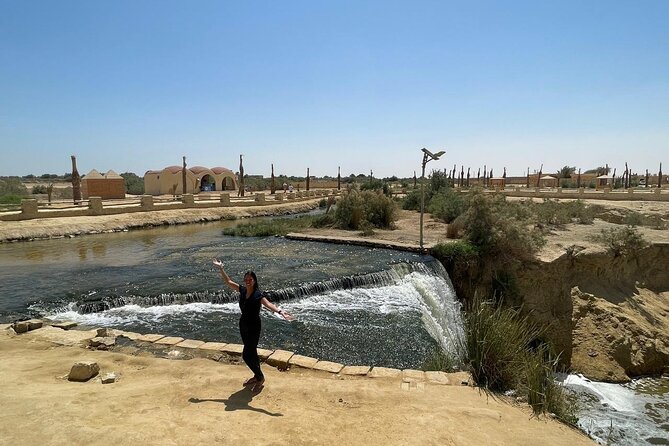
Next comes Wadi El-Rayan, a protected area of lakes and natural scenery. The scheduled visit lasts about an hour, and the description highlights its waterfalls and opportunities to relax on foot.
This stop gives the day a slower rhythm after the drive. You can stretch your legs, walk around, and see water in a setting that otherwise feels distinctly desert-based. The combination of lakes and waterfalls is one of the surprises of the Faiyum route.
The details do not specify the exact walking distance or the full range of activities available at Wadi El-Rayan. You should therefore view this as a guided scenic stop, not a long independent hike. If you have mobility concerns, ask the operator in advance about the walking conditions and how close the vehicle can get to each viewing area.
Wadi Hitan and the story beneath the sand
The most distinctive stop on day two is Wadi Hitan, or the Valley of the Whales. It became a UNESCO World Heritage Site in July 2005 because of its fossil remains from ancient whale species.
The scheduled visit lasts about two hours, making it the longest stop of the Faiyum day. That extra time is worthwhile because the site needs explanation. You are looking at fossilized bones from creatures that lived when this desert was underwater. The remains help show how whales changed over time and how dramatically the region itself has changed.
The tour information dates the fossils to as much as 200 million years ago and also refers to relics associated with mammoths and giant sea cows. The key point for you is the setting: exposed fossils in a dry desert, far from the sea they once inhabited. It is a powerful contrast to the pyramids, which were built by human hands and royal ambition.
Wadi Hitan is also where the 4×4 earns its place. The route is not just a city transfer with a scenic label. It is a desert outing, and the vehicle allows the group to reach sites beyond Cairo’s paved sightseeing circuit.
Tunis Village, pottery, and a more personal Faiyum
The final listed stop is Tunis Village, a welcoming village known for pottery and its appeal to foreign residents. You can visit pottery shops, watch young artisans at work, tour the village, and try making pottery yourself.
This is a useful change of pace after the fossils. Instead of only looking at the past, you see a living craft tradition and have a chance to meet people through their work. Pottery gives the stop a hands-on quality that the monuments cannot provide.
The village is also described as having many trees and plants, including bottle brush, silk cotton, rose, pomegranate, olive, orange, and lemon trees. That greenery adds texture to a day otherwise dominated by desert, rock, and open water.
Shopping is part of the stop, but you do not have to make it the focus. If you want a souvenir with a direct connection to Faiyum, pottery is a more meaningful choice than a generic trinket. If you do buy something, remember that the tour vehicle must carry it back to Cairo, so smaller pieces are easier.
Guides, drivers, and the private-tour advantage
The guide is one of the most important parts of this experience. Names associated with the tour include Mimo and several different drivers, such as Hossam, Haroun, Ayman, Yaser, Redar, Mohamed, Abdolghany, Oss, and Belal. Mimo is repeatedly described as an experienced Egyptologist who explains clearly, answers questions patiently, helps with photographs, and adjusts the pace to the group.
The drivers receive strong praise for handling Cairo traffic, managing the route, and keeping the vehicle comfortable. That matters more than it may sound. Cairo traffic can be tiring, and the road time to Faiyum is long. A capable driver lets you focus on the sights rather than the trip between them.
Because this is private, you avoid the fixed pace of a large coach group. You can ask for more time at the pyramids, move through the museum at a sensible speed, or pause for photographs. The tradeoff is that a private tour usually depends heavily on the people assigned to your group. The experience is strongest when guide and driver communicate well.
What the $239 price really covers
At $239 per person, the price needs to be judged against what is included, not just against the headline number. You receive an Egyptologist guide, an air-conditioned vehicle, a 4×4 Jeep for the safari, entrance fees, and lunch. Pickup is offered, and the tour is private rather than a general group outing.
That package can be good value if you want both Cairo’s major sights and a full Faiyum day without arranging separate transport, admissions, and guiding. The 4×4 and the long-distance logistics are especially useful. Faiyum is not a simple walk-up attraction from central Cairo, and arranging Wadi Hitan independently would take more effort.
You should budget separately for the interior of the Giza pyramids, since that entrance is excluded. Bring Egyptian pounds for the market and possible small purchases, and carry extra water. Group discounts may also be available, which could improve the price for families or friends booking together.
Who should book this two-day plan?
I would choose this tour if you are visiting Cairo for a short time and want a broad introduction to Egypt. It covers the essential monuments, the major antiquities museum, an old market, and a natural area that many first-time itineraries skip.
It also suits you if you prefer a guide-led visit with transport handled for you. The private format is useful for couples, families, and small groups who want to ask plenty of questions or avoid being tied to strangers’ schedules.
I would think twice if you want slow, museum-focused days or long stretches of free time. Day one packs in three major stops, and day two includes a 95-kilometer drive plus several Faiyum sites. The itinerary is practical and wide-ranging, but it is not leisurely.
The moderate fitness requirement is worth taking seriously. You will deal with outdoor heat, walking, sand, and time getting in and out of vehicles. Good weather is also required for the experience, especially for the desert portion.
Should you book it?
Book this tour if you want maximum variety in two days and value having an Egyptologist guide, private transport, and the Faiyum logistics arranged together. The strongest reasons are the guide-led interpretation at Giza and the Egyptian Museum, the comfort of the air-conditioned vehicle, and the rare chance to pair famous monuments with Wadi Hitan fossils and Tunis Village pottery.
Skip it if your priority is a relaxed Cairo holiday with plenty of unscheduled time. For most first visits, though, the price is reasonable for the amount of transport, guiding, admission, and private attention included. Keep water, Egyptian pounds, and a little patience for long drives in your day bag, and you will be prepared for what this ambitious two-day route asks of you.
FAQ
How long does the experience last?
The experience lasts approximately two days.
What time does the tour start?
The stated start time is 8:00 a.m.
Is pickup available?
Yes, pickup is offered, including hotel pickup for the Faiyum safari day.
Is this a private tour?
Yes. Only your group participates in the activity.
What is included in the price?
The price includes entrance fees, a qualified Egyptologist tour guide, an air-conditioned vehicle, a 4×4 Jeep for the safari, and lunch.
Is entry inside the pyramids included?
No. Extra entrance fees apply if you want to enter the Giza pyramids.
Which Giza monuments are included?
The visit includes the Pyramid of Cheops, the Pyramid of Chephren, the Pyramid of Mycerinus, and the Great Sphinx.
How far is Faiyum from Cairo on this tour?
The drive to Faiyum is approximately 95 kilometers.
What places are visited in Faiyum?
The route includes Lake Qaroun, Wadi El-Rayan, Wadi Hitan, and Tunis Village. Mudawara Mountain is also mentioned among the Faiyum sights.
What happens if bad weather cancels the tour?
If poor weather causes cancellation, you will be offered another date or a full refund.
Can I cancel for a full refund?
Yes, provided you cancel at least 24 hours before the experience start time. Cancellations made less than 24 hours in advance are not refunded, and changes within that period are not accepted.
Recently reviewed around Cairo
- White Desert Overnight Camping Sharing Tour in Egypt★ 5.0 · 15 reviews
- Cairo Best 2Days tour Pyramids, Saqqara & Old Cairo★ 5.0 · 15 reviews
- Giza Pyramids with (GEM) Grand Egyptian Museum★ 5.0 · 42 reviews
- visit the pyramids of Giza + the necropolis of Saqqara + the Memphis site.★ 4.5 · 20 reviews
- sunset at Giza pyramids by camels★ 5.0 · 31 reviews
- Tour to Giza pyramids Memphis Sakkara and Felucca on the Nile★ 5.0 · 16 reviews
- Private Giza pyramid,sphinx, Mummification temple& inside pyramid★ 5.0 · 32 reviews
- Private guided shopping tour in Khan el-Khalili with Lunch★ 4.5 · 21 reviews
Cairo Tours, compared.
Pyramids & Great Sphinx Private Tour with Camel Ride
Read our review →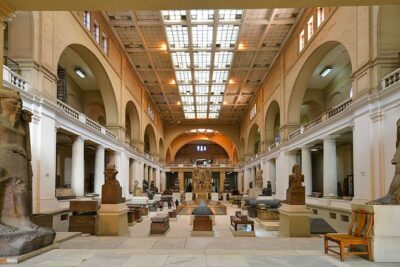
Tour to Giza Pyramids and The Egyptian Museum
Read our review →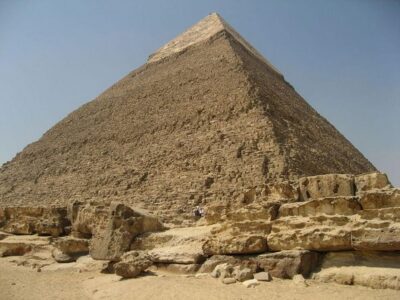
VIP All inclusive Best of the best Giza Pyramids,Sakkara,Memphis
Read our review →
Pyramids of Giza, Sphinx, Saqqara & Memphis Tour
Read our review →
Cairo 8 Hour Private Tour of Pyramids, Egyptian Museum and Bazaar
Read our review →
Private ViP all-inclusive Giza Pyramids,Sphinx,Inside Pyramid
Read our review →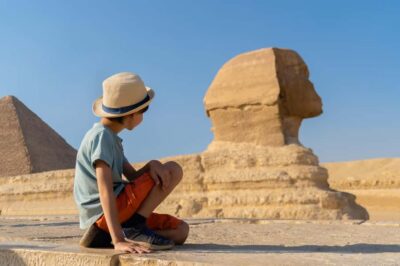
Grand Egyptian Museum, Pyramids, Sphinx Tour & Lunch
Read our review →Browse the lists this tour appears in