
Reviewed · ABU SIMBEL TOURS
4-Days 3-Nights Cruise From Aswan To Luxor including Abu Simbel Hot Air Balloon
Abu Simbel is the headline act here, but the real pleasure is moving slowly through Upper Egypt by river. You see Philae, Kom Ombo, Edfu, Luxor, and the West Bank without repacking every morning. The sunrise balloon flight gives you a striking view of Luxor’s temples and desert hills before the day heats up.
I like the easy door-to-door planning, with airport, railway station, and hotel pickup, and I like the guides who have earned strong praise, especially Mohammed Wafa, Owf Naggar, Ahmed, Zakarya, and Rocky. The full-board cruise also makes meals and transport simple. The trade-off is a demanding schedule, with a 4:30 am Abu Simbel departure, an early balloon ride, and several long temple visits packed into four days.
In This Review
- Key points to know before booking
- What the four-day Nile journey is really like
- Day one: Aswan, the High Dam, and Philae
- Day two: the long road to Abu Simbel
- Kom Ombo and the crocodile god
- Day three: Edfu by horse carriage and a day on the river
- Day four: a sunrise balloon over the West Bank
- Valley of the Kings and Hatshepsut’s temple
- Karnak and the end in Luxor
- The ship, cabins, food, and onboard life
- Who should book this cruise
- My booking verdict
- FAQ
- How long is the cruise from Aswan to Luxor?
- Is Abu Simbel included?
- What time does the Abu Simbel trip begin?
- Is the hot-air balloon flight included?
- Can young children join the balloon flight?
- Are meals included?
- Are temple entrance fees included?
- Where does the tour end?
Key points to know before booking
- Abu Simbel requires a 4:30 am start: The long road trip south of Aswan takes about eight hours round trip, with roughly 90 minutes at the temples.
- The cruise is full board: Three breakfasts, three lunches, and three dinners are included, but drinks, bottled water, Wi-Fi, entrance fees, and tips cost extra.
- Your ship may vary: The advertised cruise is 5-star, but the actual vessel can be an older boat with compact cabins.
- The balloon ride is weather dependent: You get a 30 to 40 minute flight, but children under six cannot participate, and cameras are not allowed in the basket.
- The final day runs late: The tour usually ends in Luxor around 4 to 5 pm, so book an evening flight or train.
- The order can change: Nile sailing times and port schedules may shift, but the planned sights are still covered.
What the four-day Nile journey is really like
This is an efficient introduction to the monuments between Aswan and Luxor. You are not simply riding a boat and stopping at one temple a day. You are combining a cruise, a long Abu Simbel excursion, several guided visits, and a hot-air balloon ride in a short stretch of time.
The price is $630 per person. That is a fair package price if you value having transport, a guide, accommodation, and meals organized together. It becomes less of a bargain once you add entrance fees, the Philae motorboat, drinks, tips, and optional lunches. Still, arranging the same route independently would mean coordinating the cruise, Abu Simbel transport, temple visits, and Luxor transfers yourself.
The group can contain up to 20 people, though some sightseeing groups are much smaller. One reported group had only four people, while another included a family group of 12. Your guide may work with a small shared group for some visits and a larger group for the cruise itself.
More Boat Tours in Aswan
- 4-Days Nile Cruise From Aswan To Luxor including Abu Simbel and Hot Air Balloon
★ 5.0 · 3,142 reviews - 4-Day 3-Night Nile Cruise from Aswan to Luxor&Abu Simbel+Balloon
★ 5.0 · 2,023 reviews - 4-Day 3-Night Nile Cruise from Aswan to Luxor including Abu Simbel, Air Balloon
★ 4.5 · 612 reviews
Day one: Aswan, the High Dam, and Philae
Pickup begins at Aswan Airport, the railway station, or an Aswan hotel. If you arrive early, sightseeing can begin before the ship’s normal noon check-in, although the cabin is generally assigned at or after that time.
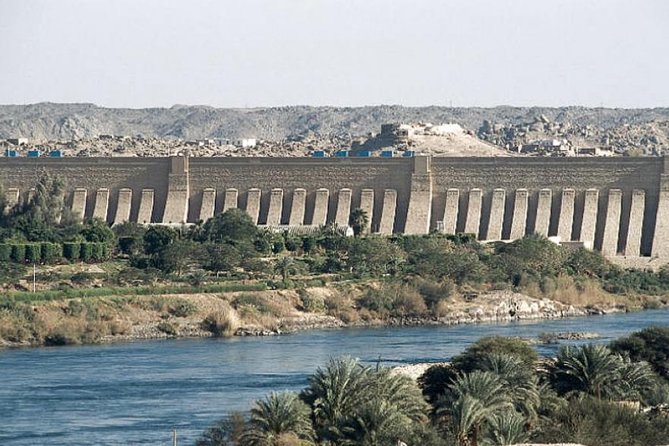
The first stop is the Aswan High Dam, completed in 1960. This is not an ancient monument, but it explains modern Egypt’s control of the Nile, including flood protection and electricity generation. Allow about 45 minutes. The entrance fee is not included.
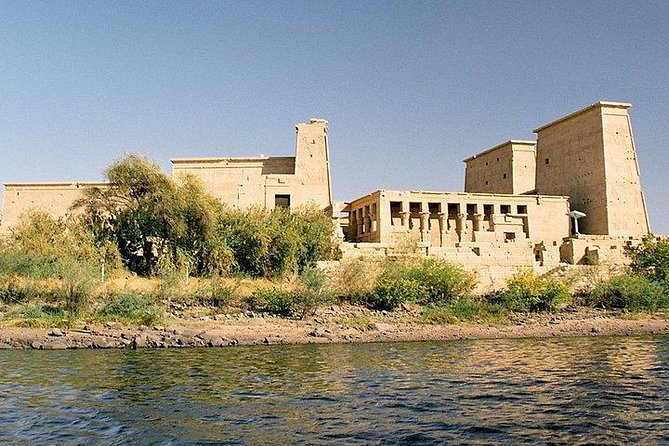
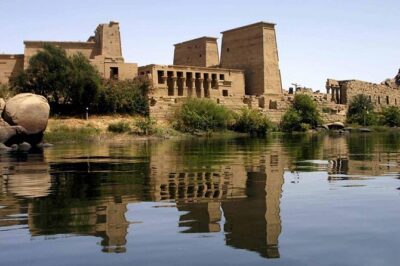
Next comes Philae Temple, reached by a small motorboat. The boat ride is part of the experience, but it costs extra, and this is one of the fees you should plan to pay in cash. Philae was dedicated to Isis and carries Greek and Roman-era additions, giving you a useful introduction to how Egyptian temples continued to develop long after the pharaohs.
The visit takes about two hours. Your guide explains the reliefs and religious stories, then you return to the ship for dinner, a folkloric show, and your first night onboard.
I like this opening because it eases you into the trip. You get a modern engineering site, a boat ride, and a major temple without trying to force all of Aswan into one afternoon. The catch is that the first day may feel rushed if your train or flight arrives late.
Day two: the long road to Abu Simbel
The Abu Simbel excursion starts around 4:30 am. You travel in a shared bus or minibus with an English-speaking guide, reaching the temple complex at about 8 am. The journey takes much of the morning and early afternoon, with a return to the cruise around 1:30 pm.
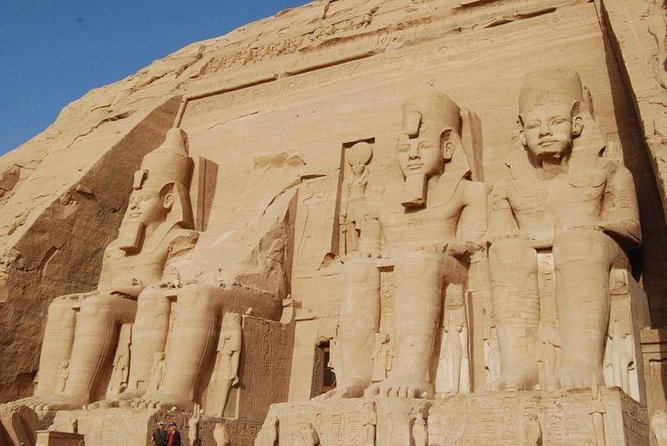
Abu Simbel was cut into the rock for Ramesses II and Queen Nefertari. The huge seated figures outside Ramesses’ temple are the famous sight, but the scale and setting are what make the visit memorable. The temples were built to project royal power far south of the main Nile Valley centers.
You have about 90 minutes at the complex. That is enough for a clear look at the exteriors and interiors, but not enough for a slow, scholarly visit. The guide explains the temples from outside, and guiding inside is not included. Entrance fees are also extra.
The distance matters. Abu Simbel is about 285 kilometers south of Aswan, so this is not a casual side trip. You should choose this cruise specifically because Abu Simbel is included, not because you expect a restful second morning.
Several practical details are important. Have your passport copy ready, since copies are required for cruise, Abu Simbel, and balloon permissions. If bad weather cancels the visit, the stated refund is $30 per adult and $15 per child.
Back at the ship, you eat lunch and begin sailing toward Kom Ombo. This is one of the best transitions on the trip. After the early start and road journey, sitting on deck while the Nile moves past gives you a welcome pause.
Kom Ombo and the crocodile god
The ship reaches Kom Ombo later in the day. The temple is unusual because it is dedicated to two gods: Sobek, the crocodile god, and Horus, the falcon god. Its paired design gives your guide a good way to explain how different cults shared one sacred complex.
The visit lasts about an hour. You return to the ship for dinner before it continues toward Edfu for the night.
Kom Ombo works especially well as a late-afternoon stop. The temple is compact compared with Karnak, and the visit does not demand another long drive. Entrance fees are not included, so keep your payment card available. The supplied information notes that most entrance fees must be paid by card, while the High Dam and Philae motorboat require cash.
More Hot Air Balloon Rides in Aswan
- From Aswan: 3-Day Cruise to Luxor with Hot Air Balloon
★ 4.3 · 598 reviews - 4-Days Nile Cruise From Aswan To Luxor including Abu Simbel and Hot Air Balloon
★ 4.5 · 509 reviews - 4 Days Nile Cruise from Aswan to Luxor including Abu Simbel and Hot Air Balloon
★ 4.5 · 356 reviews - 4-Days Nile Cruise Aswan&Luxor,Hot Air Balloon&Abu Simbel.Hot deal
★ 5.0 · 322 reviews
Day three: Edfu by horse carriage and a day on the river
After breakfast, you take a horse carriage to the Temple of Horus at Edfu with your guide. The ride is part of the local transfer and gives the visit a different feel from the minibus journeys.
Edfu is one of Egypt’s best-preserved temples. Its massive gateway, courtyards, columns, and reliefs remain unusually clear, so this is a good place to see the basic plan of an Egyptian temple without too much missing. Plan on about two hours, including the carriage ride and guided visit.
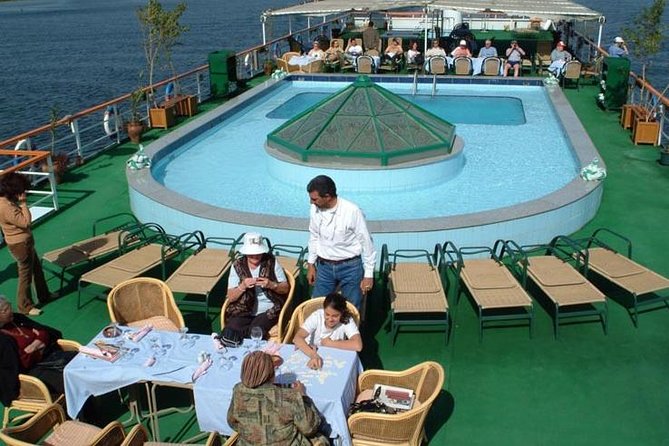
After Edfu, the schedule becomes slower. You sail toward Luxor, cross the Esna Lock, eat lunch onboard, and have afternoon tea on the sundeck. This is the part I would protect from extra activity. Watch the riverbank, agricultural fields, villages, and changing desert edge. The boat’s upper deck is the place to understand why a Nile cruise remains more than a string of bus transfers.
The ship arrives in Luxor later in the afternoon. If it docks by about 3 or 3:30 pm, the operator may fit in both Karnak and Luxor Temples. Otherwise, the listed visit is Luxor Temple, followed by dinner and a belly-dancing show onboard.
Luxor Temple is particularly rewarding near sunset. It was built and altered over several periods, and later Christian and Islamic features add to the story. The visit takes about 90 minutes.
Do not assume the earlier arrival is guaranteed. Nile sailing times can change, and the itinerary may be rearranged because of river conditions. The operator says the sights will still be covered, but not always in the printed order.
Day four: a sunrise balloon over the West Bank
The final day begins around 5:30 to 6 am, with the pickup time available to change. You cross to Luxor’s West Bank for a 30 to 40 minute hot-air balloon flight.
The view is the point. From above, you see the Nile plain, the West Bank temples, and the mountains that shelter the royal tombs. Sunrise brings out the contrast between cultivated land and dry desert, and it helps you grasp the size of ancient Thebes in a way a ground visit cannot.
The flight is included, but weather can cancel it. In that case, the stated refund is $30 per adult and $15 per child. A child under six cannot fly. You can use a cellphone for pictures, but cameras are not allowed in the basket.
The balloon is a memorable extra, but it makes an already early morning earlier. You then have breakfast, check out, and continue with the West Bank visits, so do not plan a late night before this day.
Valley of the Kings and Hatshepsut’s temple
The Valley of the Kings is where pharaohs of the New Kingdom cut tombs into the hills. The aim was to hide royal burials and protect their treasures and mummies, though the tombs did not remain secure forever.
You have about two hours here. The exact tombs open to visitors can vary, and entrance fees are separate. This is a place where your guide’s explanations matter, since much of the meaning is inside the tombs: painted scenes, funerary texts, and symbols designed to guide the dead into the next world.
The heat, slopes, and uneven surfaces can make the Valley tiring, especially after the balloon start. Wear shoes with a firm sole and carry water. Drinks are not supplied on the cruise package, so bring cash or buy what you need.
Next comes the mortuary temple of Hatshepsut at Deir el Bahari. Its broad terraces are set against the cliffs, and the site tells the unusual story of a woman who ruled as pharaoh. Your guide can help sort out her relationship with her nephew and explain the images that support her claim to the throne.
The final West Bank stop is a photo stop at the Colossi of Memnon. These giant statues once guarded the entrance to a much larger mortuary temple. The stop is brief, but it breaks up the morning before lunch.
Lunch at a local restaurant is optional. Since the included cruise meals end with breakfast, check the cost and decide in advance if you want the convenience.
Karnak and the end in Luxor
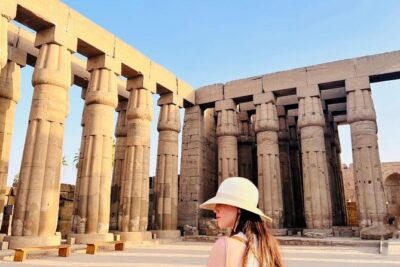
After lunch, you return to the East Bank for Karnak Temple. Built and expanded over roughly 2,000 years, Karnak covers about 63 acres and is far too large for a quick glance.
The Great Hypostyle Hall is the visual high point, with its forest of enormous columns. Obelisks, courts, gateways, and carved walls spread across the complex, and a good guide helps you see how each ruler added to the site rather than treating it as one single building.
Allow about 90 minutes. That is enough for the main route, but you will not see every corner. Karnak is also the point where the busy schedule becomes most obvious. After the balloon, Valley of the Kings, Hatshepsut, and Memnon, you may be ready for a chair rather than another giant temple.
The tour ends with transfer to a Luxor hotel on the East Bank, Luxor Airport, or the railway station around 3 to 4 pm, though the stated finish can run to 4 or 5 pm. A late evening departure is the sensible choice. A West Bank hotel transfer costs an additional $10 per person, as does pickup from an Aswan West Bank hotel.
The ship, cabins, food, and onboard life
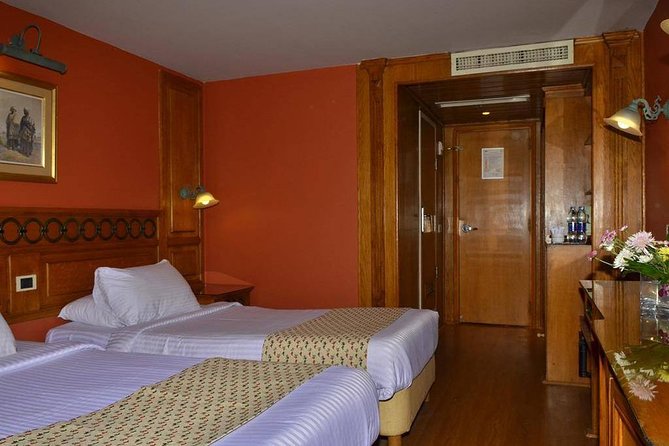
The package provides three nights on a 5-star Nile cruise with full-board meals. Breakfast, lunch, and dinner are included, along with entertainment such as a folkloric show and belly dancing.
The ship names can vary. Experiences reported on vessels such as Cielo, Nile Jewel, and Zeina range from very comfortable to somewhat dated. Expect friendly, attentive crew and plentiful food, but do not assume a modern luxury hotel standard simply because the cruise is described as 5-star.
Cabin size deserves attention. A standard room can feel cramped for three people, especially when three single beds are placed in a cabin normally used by two. One account also found a triple cabin damp. If you want your own room, book as a single person. Three people generally share one triple room.
Upper-deck views can make a difference. A cabin on a higher floor may offer a better outlook, while the ship may not begin sailing until after the Abu Simbel excursion on day two. You spend the first and last nights docked, so the ship is partly a floating hotel and partly a moving viewpoint.
Wi-Fi costs extra, and water and other drinks are not included. Budget for them before boarding. Tips for the guide, drivers, cruise crew, and other staff are also separate.
The strongest part of the operation is the human service. Coordinators such as Heba handle schedule messages and group arrangements, while guides including Wafa, Owf, Ahmed, Zakarya, and Rocky have been singled out for clear explanations, patience, and care. Guide quality can vary, but the right guide turns confusing royal titles, gods, and temple scenes into a story you can follow.
Who should book this cruise
I would choose this trip if you want the main Upper Nile sights in one organized package and do not want to negotiate every transfer yourself. It is especially useful for first-time visitors, families with older children, and anyone arriving in Aswan and departing from Luxor.
The full itinerary also suits you if Abu Simbel is a priority. Many Nile cruises do not include it, and adding it independently takes extra planning.
I would think twice if you need long mornings, spacious cabins, or a slow museum-style approach. The early departures are real, and the final day is packed. Travelers with mobility concerns can participate, but the schedule includes a horse carriage, temple grounds, hills, and extended sightseeing. A guide such as Rocky may provide attentive help, but you should still be comfortable with the physical demands.
Children aged five to 11 sharing with parents are accommodated under the stated rules, with a maximum of one child per room. A child from five to 11 traveling with one adult is treated as an adult for pricing. Children under six cannot take the balloon ride.
My booking verdict
I like this cruise because it joins the Nile’s best stops with two unusual additions: the long trip to Abu Simbel and a sunrise balloon over Luxor. The value is strongest when you count the included ship, meals, guides, and transfers together.
Book it if you accept early starts and want breadth more than spare time. Before paying, confirm the assigned ship, cabin arrangement, extra entrance fees, drink costs, and final transfer. If those details suit you, this is a practical way to see Aswan and Luxor without losing days to logistics.
FAQ
How long is the cruise from Aswan to Luxor?
The experience lasts about four days and includes three nights onboard a Nile cruise.
Is Abu Simbel included?
Yes. The tour includes a shared trip from Aswan to Abu Simbel with an English-speaking guide. The round trip takes about eight hours, and the visit at the temples lasts about 90 minutes. Entrance fees are not included.
What time does the Abu Simbel trip begin?
Pickup is around 4:30 am on the second day.
Is the hot-air balloon flight included?
Yes. A 30 to 40 minute hot-air balloon flight over Luxor is included. It can be canceled because of bad weather, in which case the stated refund is $30 per adult and $15 per child.
Can young children join the balloon flight?
Children under six are not allowed to take the balloon flight. Children aged five to 11 may otherwise share with their parents under the stated room rules, with a maximum of one child per room.
Are meals included?
Three breakfasts, three lunches, and three dinners are included during the cruise. Water, drinks, and an optional local restaurant lunch on the final day are not included.
Are temple entrance fees included?
No. Entrance fees for the listed sightseeing stops are extra. The High Dam and the motorboat to Philae must be paid in cash, while the other entrance fees must be paid by card according to the provided instructions.
Where does the tour end?
The tour ends in Luxor, usually around 3 to 4 pm, though the finish may be around 4 to 5 pm. Drop-off is available at Luxor Airport, the railway station, or East Bank hotels. A West Bank hotel transfer costs an additional $10 per person.
Recently reviewed around Aswan
- (3-Nights Cruise From Aswan To Luxor & Balloon, Abu Simbel)★ 4.5 · 23 reviews
- Philae Temple and Aswan High-Dam Half-day tour★ 5.0 · 49 reviews
- Sailing Nile Cruise from Aswan to Luxor for 2 Nights★ 4.5 · 139 reviews
- 4-Days Aswan sails Nile Cruise Luxor &Abu Simbel.Hot air Balloon★ 4.5 · 77 reviews
- Private Tour in Aswan : Felucca and Nubian village★ 5.0 · 29 reviews
- Day Tour to Abu Simbel from Aswan by Bus★ 4.5 · 25 reviews
- Abu Simbel Private Full-Day Tour from Aswan★ 5.0 · 114 reviews
- Nubian Village by Motorboat In Aswan★ 5.0 · 97 reviews
Abu Simbel Tours, compared.
4-Days Nile Cruise From Aswan To Luxor including Abu Simbel and Hot Air Balloon
Read our review →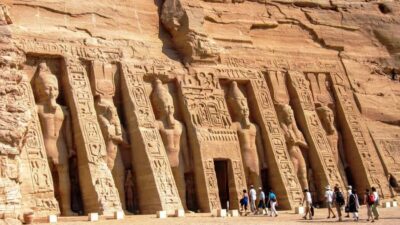
4-Day 3-Night Nile Cruise from Aswan to Luxor&Abu Simbel+Balloon
Read our review →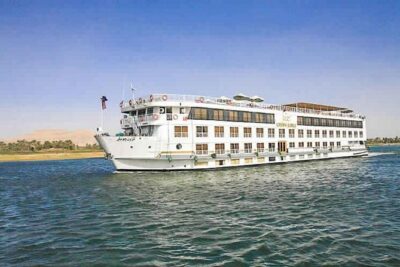
4-Day 3-Night Nile Cruise from Aswan to Luxor including Abu Simbel, Air Balloon
Read our review →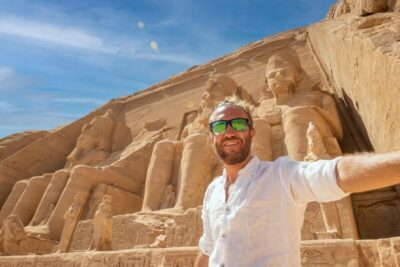
Abu Simbel Temple Private Guided Day Trip with Lunch
Read our review →4-Days Nile Cruise From Aswan To Luxor including Abu Simbel and Hot Air Balloon
Read our review →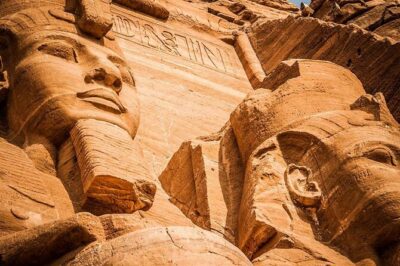
Private Day Tour to Abu Simbel Temples from Aswan
Read our review →4 Days Nile Cruise from Aswan to Luxor including Abu Simbel and Hot Air Balloon
Read our review →Browse the lists this tour appears in