
Reviewed · NILE CRUISES
Cruise on Nile River between Aswan and Luxor
The best part of this four-day Nile cruise is the simple rhythm: you unpack once, then Egypt’s major ancient sites come to you by river. From Aswan’s island temples to Luxor’s royal tombs, the ship links the sights without making you arrange trains, cars, hotels, or daily meals.
I like the private transfers and the licensed Egyptologist who travels with your group. I also like the mix of major monuments and river scenes, especially the felucca ride around Aswan’s islands and the passage through Esna Lock. The main caution is to confirm the exact cruise ship before paying, since the advertised 5-star vessel and the ship ultimately assigned may not always match.
In This Review
- Key points to know before booking
- Why a four-day Aswan to Luxor cruise works so well
- Day one: Philae, the dams, and an Aswan felucca ride
- Day two: Kom Ombo, Edfu, and the Esna Lock
- Day three: royal tombs on Luxor’s West Bank
- Day four: Karnak and the final transfer
- Food, drinks, cabins, and what the price really covers
- Who should book this Nile cruise?
- Should you book it?
- FAQ
- How long is the Nile cruise from Aswan to Luxor?
- Where does the tour begin?
- Where does the cruise finish?
- Which sites are included?
- Are meals included?
- Is the tour private?
- What languages are available for the Egyptologist guide?
Key points to know before booking
- Philae begins the journey: Reach the island temple of Isis, then see Aswan’s High Dam, Old Dam, and Lake Nasser before boarding.
- Three nights on a full-board ship: Accommodation, breakfast, lunch, dinner, snacks, and bottled water are included, while many personal drinks cost extra.
- Kom Ombo and Edfu fit naturally into the sailing days: You visit Kom Ombo by the river and reach Edfu by horse carriage.
- Luxor is the archaeological high point: The Valley of the Kings, Hatshepsut’s temple, the Colossi of Memnon, and Karnak are all included.
- The experience is private for your group: Transfers and sightseeing are arranged for your party, with guide languages including English, French, Spanish, and German.
- Clarify the ship name: A past booking dispute involved a promised vessel and a later paid upgrade offer, so get the final ship details in writing.
Why a four-day Aswan to Luxor cruise works so well
This trip covers the classic Nile route in a compact four days. You start in Aswan and finish in Luxor, so the cruise functions as both a sightseeing program and transportation between two major Egyptian cities.
At $569 per person, the price has to be judged against what is bundled in. You receive three nights aboard a deluxe cruise ship, full board, entry fees, an Egyptologist, private vehicle transfers, airport or hotel pickup, bottled water during sightseeing, and assistance during the stay. Booking those pieces separately would take time and could produce a less orderly schedule.
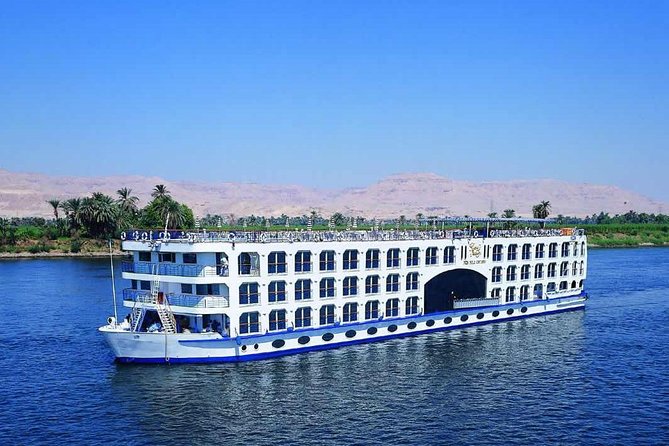
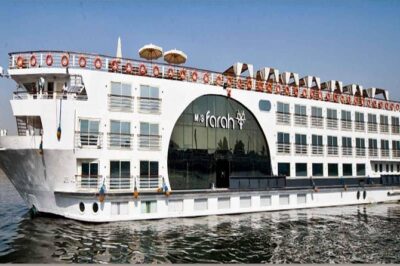
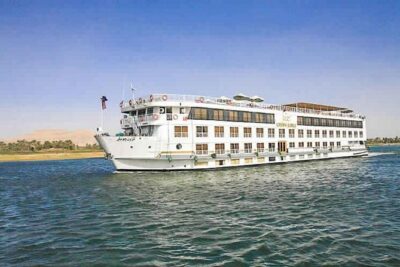
You should still read the word 5-star with care. The ship is presented as a 5-star deluxe Nile cruise, but the exact vessel is not named in the basic tour details. One past complaint centered on travelers expecting a specific ship, then being offered a paid upgrade shortly before departure. Ask which ship is confirmed, what category of cabin is included, and whether any upgrade request changes the price.
The tour is private, meaning only your group takes part in the sightseeing and transfers. That gives you more flexibility than a large coach program, though the ship itself is shared with other passengers. The start time is listed as 6:00 am in Aswan, so arrange your arrival and sleep schedule with that early meeting time in mind.
More Boat Tours in Aswan
- 4-Days Nile Cruise From Aswan To Luxor including Abu Simbel and Hot Air Balloon
★ 5.0 · 3,142 reviews - 4-Day 3-Night Nile Cruise from Aswan to Luxor&Abu Simbel+Balloon
★ 5.0 · 2,023 reviews - 4-Day 3-Night Nile Cruise from Aswan to Luxor including Abu Simbel, Air Balloon
★ 4.5 · 612 reviews
Day one: Philae, the dams, and an Aswan felucca ride
Your first morning begins with pickup in Aswan or at Aswan Airport. You meet the licensed Egyptologist and travel by air-conditioned vehicle to Aswan’s main sights before boarding the ship.
Philae Temple is the star. Dedicated largely to Isis, the temple sits on an island and is reached as part of the Aswan sightseeing program. Its setting matters as much as its carved columns and sanctuaries. You see an ancient religious complex surrounded by the Nile, rather than a monument isolated in a modern city.
The day also includes the High Dam, the Old Dam of Aswan, and views toward Lake Nasser. These stops give useful context to the modern Nile. The dams changed how water was controlled in Egypt and reshaped the location of ancient monuments, including Philae. You do not need to be an engineering enthusiast to appreciate the contrast between a huge modern water project and the small island temple it helped protect.
After the morning visits, you board the cruise and have lunch on board. The ship becomes your base for the next three nights, with meals and an evening program included.
The afternoon felucca ride is a welcome change from formal ruins. You sail around Aswan’s islands, passing the Nile vegetation and botanical garden. There is also a chance to visit a Nubian village. The wording matters here: it is a chance, not a guaranteed stop, so ask your guide how much time is planned and what the visit includes.
You return to the ship for dinner, entertainment, and overnight accommodation in Aswan. This first day is full, so the early start and several transfers may feel demanding. The payoff is that you cover Aswan’s key sights before settling into the slower pace of the river.
Day two: Kom Ombo, Edfu, and the Esna Lock
Breakfast is served while the ship sails toward Kom Ombo. This is one of the pleasures of a Nile cruise: the river itself becomes part of the sightseeing, and you can watch the Nile Valley pass from the deck instead of spending the morning in a vehicle.
At Kom Ombo, you visit the temple shared by two deities, Sobek and Haroeris. Sobek has the head of a crocodile, while Haroeris is connected with Horus. The paired design gives the temple a character unlike the single-deity sanctuaries elsewhere on the route.
The stop is also practical for anyone who wants a shorter, focused temple visit. You see the monument, hear the explanation from your guide, then return to the ship for lunch and sailing. That rhythm keeps the program moving without asking you to spend every hour walking through ruins.
The ship continues to Edfu. Once there, a horse carriage takes you through the local city toward the Temple of Edfu. The carriage transfer is part of what makes this stop different from Kom Ombo. It also means the experience includes a brief look at local streets rather than only a transfer from ship to monument by private car.
Edfu Temple is dedicated to Horus, the falcon-headed god. Its size and preservation make it a major stop on this route, and the guide’s explanation helps connect the carvings, religious symbols, and temple layout. Bring water for the walking portions, though bottled water is included during the day trips.
Back on board, the ship sails toward Esna Lock. Passing through the lock is described as a highlight of the journey, and it gives you a close look at the practical mechanics of Nile travel. The ship lowers or rises as it moves through the controlled waterway, then continues toward Luxor for dinner, entertainment, and the second overnight.
The timing of sailing and shore visits can change. River traffic, lock schedules, and operating conditions may alter the order, but the stated sightseeing is intended to remain covered. That flexibility is normal for a cruise program, but it is worth keeping in mind if you are planning separate evening activities in Luxor.
Day three: royal tombs on Luxor’s West Bank
By the third morning, the ship is in Luxor. After breakfast, you leave with your guide for the West Bank, the side of the river associated with royal tombs and funerary monuments.
The Valley of the Kings is the main event. Admission includes entry to three royal tombs. The exact tombs can vary, so do not assume a particular famous tomb is included unless your guide confirms it. The valley is not a single monument but a series of tomb entrances cut into the dry hills, each with passages and decorated chambers built for ancient pharaohs.
Three tombs give you a useful sample without turning the morning into an exhausting catalog. Tomb visits involve walking and, depending on the tomb, slopes or steps. Visitors who dislike enclosed spaces should consider that before booking, though the supplied information says most people can participate.
Next comes the funerary temple of Queen Hatshepsut at Deir el-Bahari. Its broad terraces and cliff setting make it one of the most recognizable sights on the West Bank. Hatshepsut’s story also adds a welcome change to the usual list of male pharaohs. Your guide can explain the temple’s role and the queen’s place in Egypt’s royal history.
The stop at the two Colossi of Memnon is shorter but worthwhile. These huge seated statues once guarded the entrance to a much larger temple complex. Today they provide a quick, striking photo stop and a reminder that the West Bank was filled with buildings far larger than the surviving fragments suggest.
You return to the ship for lunch. The afternoon is free for Luxor city and the souq, giving you a little breathing room after the early visits. This is one of the strongest features of the schedule because you are not forced into another formal monument immediately after the West Bank.
Use that free time according to your energy. You might explore the souq, walk near the river, or simply rest aboard ship. The tour includes an evening meal and entertainment, with the third night on board in Luxor.
More Nile Cruises in Aswan
- From Aswan: 4-Day Nile Cruise from Aswan to Luxor with Guide
★ 4.1 · 593 reviews - 4-Days Nile Cruise From Aswan To Luxor including Abu Simbel and Hot Air Balloon
★ 4.5 · 509 reviews - 4-Day 3-Night Nile Cruise from Aswan to Luxor – Private Tour
★ 5.0 · 369 reviews - 4 Days Nile Cruise from Aswan to Luxor including Abu Simbel and Hot Air Balloon
★ 4.5 · 356 reviews
Day four: Karnak and the final transfer
After breakfast, you disembark and continue your Luxor sightseeing. The detailed program names the Karnak Temple complex, including the Temple of Ramses III and Hatshepsut’s obelisks.
Karnak is not one compact temple. It is a large religious complex with courts, columns, sanctuaries, and later additions by different rulers. A guide is especially useful here because the scale can make it hard to know what you are seeing. The program’s mention of Ramses III and Hatshepsut’s obelisks gives you two specific features to look for.
The broader tour description also includes Luxor Temple among the Luxor highlights, but the day-by-day detail specifically names Karnak. If seeing Luxor Temple is important to you, confirm that it is part of your actual final-day schedule before booking. This is a small but meaningful point, since the two complexes are separate and require enough time for a proper visit.
At the appropriate time, you transfer to Luxor Airport or to your accommodation in Luxor. The included private, air-conditioned vehicle is valuable here. You do not have to find a taxi after leaving the ship, and the driver handles the final connection.
Food, drinks, cabins, and what the price really covers
The $569 price includes three nights of accommodation on the cruise and full-board meals. Breakfast, lunch, and dinner are listed, along with snacks, bottled water, coffee, and tea. This makes budgeting simpler during the cruise.
Do not read full board as unlimited drinks or zero extra spending. Drinks and personal expenses are excluded, and the inclusion list also says meals are covered only where indicated. Keep money available for beverages, gratuities, optional tours, and personal purchases.
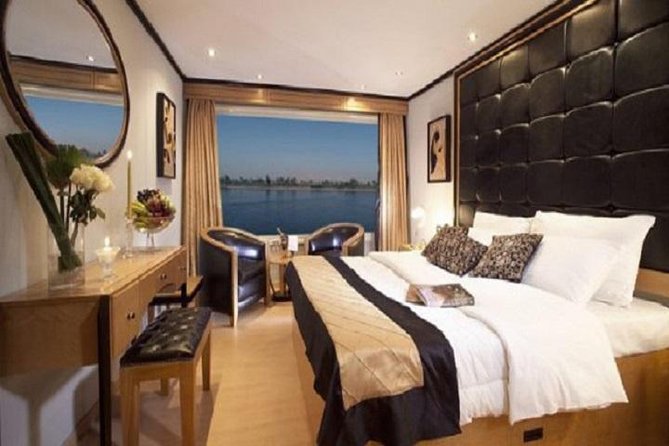
The ship provides the comfort of staying in one place while the sightseeing moves along the river. Still, the information supplied does not name a particular ship, cabin size, deck, or onboard facilities. Those details can affect your experience, so ask for them before you pay a deposit.
The package also includes entry fees and a licensed guide during the sightseeing. That matters at places such as Karnak and the Valley of the Kings, where a monument can be impressive but confusing without an explanation of its purpose and layout.
Guide languages listed are English, French, Spanish, and German. If you need one of those languages, request it at booking and have the arrangement confirmed. No individual guide name is supplied, so you should not expect a particular guide unless the operator confirms one.
Who should book this Nile cruise?
I would point this trip toward someone visiting Egypt for the first time who wants the main Aswan to Luxor sights arranged in one package. It is also a good fit if you value private transfers, guided visits, and a fixed plan more than independent transport and hotel selection.
Families may like the simple structure, though the child rate applies only when the child shares with two paying adults. Children must be accompanied by an adult. Most people can participate, and the tour is near public transportation, but the schedule includes early starts, walking around temples, and visits to royal tombs.
Independent visitors who want long, unplanned hours at each monument may find the program too structured. The cruise schedule and lock timing limit complete freedom, even though private touring gives your own group more flexibility during sightseeing and stops.
Before booking, confirm four details in writing:
- The exact ship and cabin category
- Whether Luxor Temple is included alongside Karnak
- The guide language and pickup time
- Which drinks or upgrades carry an extra fee
Free cancellation is available until 24 hours before the local start time. Changes made inside that period are not accepted, and a minimum number of participants is required for the experience to operate.
Should you book it?
Book this cruise if you want the classic Nile route with the practical pieces already arranged. Philae, Kom Ombo, Edfu, the Valley of the Kings, Hatshepsut, and Karnak make a strong four-day program, while full board and private transfers reduce the daily planning load.
I would not book without clarifying the vessel and Luxor Temple visit. The past ship dispute shows why the exact cruise name matters, especially when the package is sold as 5-star. With those points confirmed, $569 is a fair package price for three nights, meals, guide services, entry fees, and transport between Aswan and Luxor.
FAQ
How long is the Nile cruise from Aswan to Luxor?
The experience lasts approximately four days and includes three nights aboard the Nile cruise ship.
Where does the tour begin?
It begins in Aswan, with pickup available from an Aswan hotel or Aswan Airport. The listed start time is 6:00 am.
Where does the cruise finish?
The cruise finishes in Luxor. A private transfer can take you to Luxor Airport or to your accommodation in Luxor.
Which sites are included?
The program includes Philae Temple, Aswan’s High Dam and Old Dam, Kom Ombo Temple, Edfu Temple, the Valley of the Kings with three royal tombs, Hatshepsut’s funerary temple, the Colossi of Memnon, and Karnak Temple Complex. The broader description also names Luxor Temple, so confirm its place in the final schedule.
Are meals included?
Yes. Three breakfasts, lunches, and dinners are included during the three-night cruise, along with snacks, bottled water, coffee, and tea. Drinks and personal expenses are not included.
Is the tour private?
Yes. The transfers and sightseeing are private for your group. The cruise ship itself is shared with other people aboard the vessel.
What languages are available for the Egyptologist guide?
English, French, Spanish, and German are listed as available guide languages. Ask for your preferred language when booking and request confirmation.
Recently reviewed around Aswan
- (3-Nights Cruise From Aswan To Luxor & Balloon, Abu Simbel)★ 4.5 · 23 reviews
- Philae Temple and Aswan High-Dam Half-day tour★ 5.0 · 49 reviews
- Sailing Nile Cruise from Aswan to Luxor for 2 Nights★ 4.5 · 139 reviews
- 4-Days Aswan sails Nile Cruise Luxor &Abu Simbel.Hot air Balloon★ 4.5 · 77 reviews
- Private Tour in Aswan : Felucca and Nubian village★ 5.0 · 29 reviews
- Day Tour to Abu Simbel from Aswan by Bus★ 4.5 · 25 reviews
- Abu Simbel Private Full-Day Tour from Aswan★ 5.0 · 114 reviews
- Nubian Village by Motorboat In Aswan★ 5.0 · 97 reviews
Nile Cruises, compared.
4-Days Nile Cruise From Aswan To Luxor including Abu Simbel and Hot Air Balloon
Read our review →
Dinner Cruise on the Nile River with Entertainment
Read our review →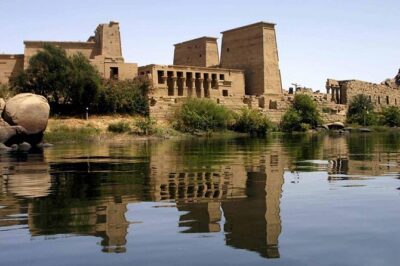
4-Day 3-Night Nile Cruise from Aswan to Luxor&Abu Simbel+Balloon
Read our review →
4-Day 3-Night Nile Cruise from Aswan to Luxor including Abu Simbel, Air Balloon
Read our review →
4-Day Nile Cruise from Aswan to Luxor with Guide
Read our review →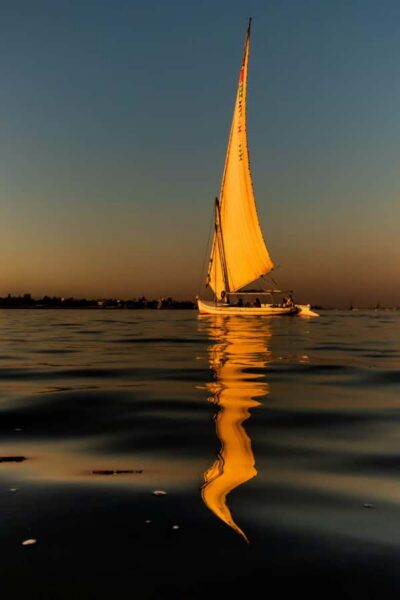
Browse the lists this tour appears in