
Reviewed · CRUISES & BOAT TOURS
From Cairo: 8-Day Tour of Cairo, Luxor and Aswan with Cruise
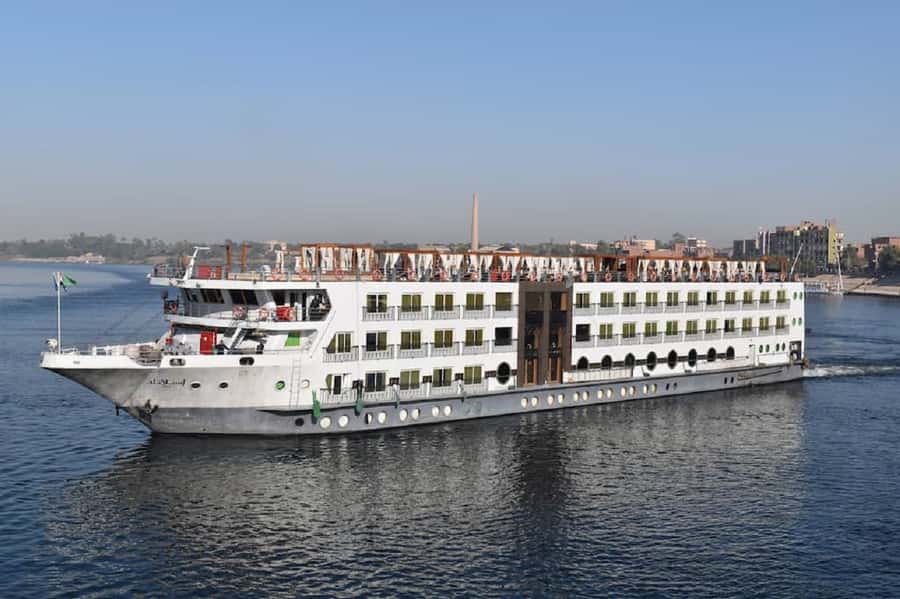
The big idea here is simple: Egypt’s greatest ancient sites are tied together in one trip, from the Pyramids of Giza to Abu Simbel. You begin in Cairo, fly south to Luxor, then let the Nile do the work as your cruise carries you toward Aswan.
I like the strong logistics and the daily WhatsApp updates, which can make a complicated country feel much easier to manage. I also like the mix of private touring, comfortable vehicles, domestic flights, meals, and four nights on the river. The catch is the pace: this is an intensive sightseeing tour, and Abu Simbel, Philae, Edfu, and Kom Ombo can feel rushed. Expect early starts, extra charges for drinks, and frequent requests for tips.
In This Review
- Key points to know before booking
- Is this the right way to see Egypt?
- Day 1: Cairo arrival and dinner on the Nile
- Day 2: Giza, Memphis, and Saqqara
- Day 3: Islamic and Coptic Cairo
- Day 4: Flying to Luxor and boarding the cruise
- Day 5: Balloon views and the west bank tombs
- Day 6: Edfu and Kom Ombo from the river
- Day 7: Abu Simbel and Philae Temple
- Day 8: Returning to Cairo
- Hotels, cruise comfort, food, and transport
- The people who make the schedule work
- Shopping stops, tips, and the real cost
- Who should book this eight-day Egypt tour?
- Should you book it?
- FAQ
- What does the $1,400 tour price include?
- Is the hot-air balloon ride included?
- Which cities and sites does the tour visit?
- How long is the Nile cruise?
- Are drinks included with the meals?
- How do I receive the next day’s schedule?
- Is Abu Simbel a long trip?
- Can each person in a group have a private room?
Key points to know before booking
- Cairo, Luxor, and Aswan in eight days: You cover the essential ancient sites without arranging separate hotels, flights, guides, and transfers.
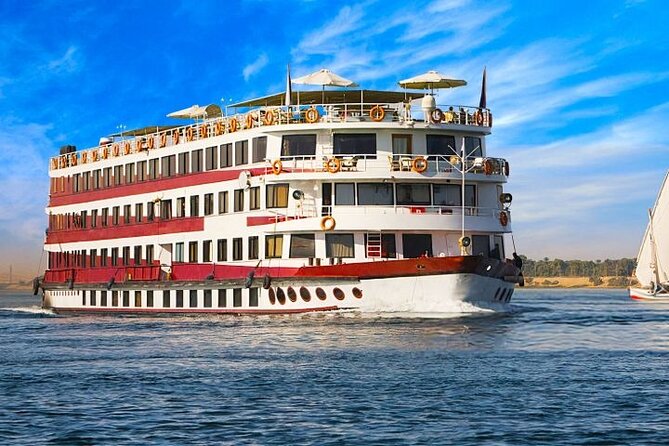
- A four-night Nile cruise: The cruise from Luxor to Aswan gives you a slower middle section after busy days in Cairo.
- Abu Simbel included: The temples are reached by a long road trip from Aswan, but this is one of Egypt’s most memorable sights.
- Daily coordination by WhatsApp: Tour coordinators such as Zeinab, Marina, and Marolla send pickup details and the next day’s schedule.
- Hot-air balloon ride costs extra: The optional Luxor flight adds $130 per person and requires travelers to be at least six years old.
- Shopping stops need care: Papyrus, carpet, cotton, spice, and other sales visits may be included in the day’s routing, and some visitors felt pressured to buy.
Is this the right way to see Egypt?
Egypt is not a simple destination to arrange on the fly. Cairo traffic can swallow half a day, domestic flights need local coordination, and the temples around Luxor and Aswan are spread across wide areas. This tour takes those jobs off your plate.
At $1,400 per person, the package covers three nights in a Cairo hotel, four nights on a Nile cruise, flights from Cairo to Luxor and Aswan to Cairo, private car or van transport, entrance fees, guides, and breakfast, lunch, and dinner each day. That is a strong bundle for someone who wants the main route handled in one booking.
The tradeoff is control. You are not choosing how long to linger at every temple, and the schedule can change around flight times, cruise departures, and river stops. If you prefer long museum visits, lazy mornings, or independent meals, this plan may feel too tight. If you want to see the classic Egyptian sights with fewer transport headaches, the structure makes sense.
The word all-inclusive needs a little care. Drinks are not included, and the hot-air balloon ride is an extra $130. You should also budget for tips for guides, drivers, boat staff, porters, and other small services. The exact hotel and cruise can vary, so ask for those names before paying if that matters to you.
More Boat Tours in Cairo
- Cairo: Dinner Cruise on the Nile River with Entertainment
★ 4.2 · 2,190 reviews - Cairo: Nile Sunset Dinner Cruise, Show & Optional Transfer
★ 4.1 · 2,184 reviews - Cairo: Nile Dinner Cruise with Belly Dancer Show with Pickup
★ 4.4 · 835 reviews
Day 1: Cairo arrival and dinner on the Nile
You are met outside the airport exit hall by a representative holding a Nice Tours sign. The first stop is lunch at a traditional Egyptian restaurant, followed by check-in at your five-star Cairo hotel.
That first day is designed to remove friction. You do not need to find a taxi, work out the hotel transfer, or search for a restaurant while jet-lagged. Depending on your arrival time, you may have a chance to rest before the evening outing.
Around 7 p.m., you head to a Nile cruise boat for a gala dinner. The boat moves along the river while performers present folklore and other traditional shows. It is a polished introduction to Egypt, though it is more of a planned dinner event than a quiet local meal.
The main practical point is timing. If your flight lands late or suffers a delay, the first day may need adjustment. The operator has handled late arrivals for some visitors, but you should send your flight details in advance and keep the coordinator’s phone number handy.
Day 2: Giza, Memphis, and Saqqara
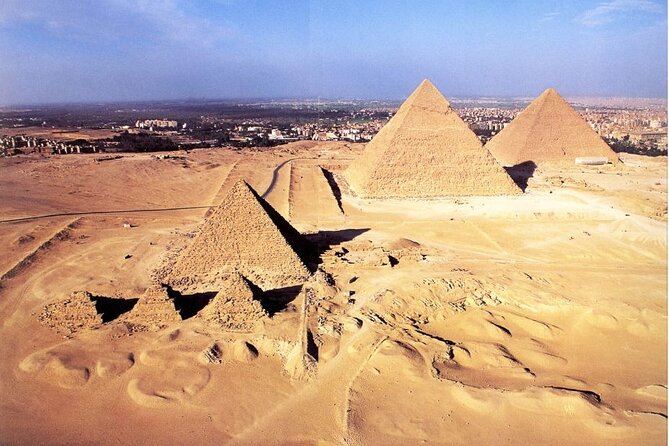
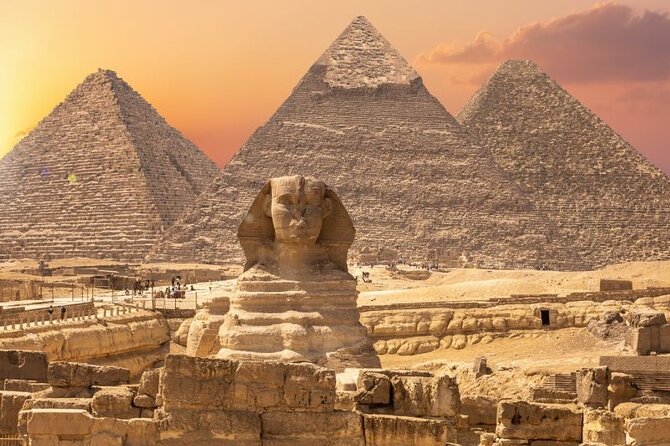
Day two gives you the great headline: the Pyramids of Giza and the Sphinx. Your private guide explains the monuments while your driver handles the movement between stops.
The pyramids are not a quick photo stop. Even from outside, the scale is hard to grasp. You can also ask about entering a pyramid, but the supplied plan only promises the Giza visit and entrance fees, not a specific interior ticket or which pyramid you will enter. Confirm that detail if it matters to you.
The Sphinx is close to the pyramids and usually forms part of the same visit. This is a good place to have your guide explain how the monument’s meaning changed over time, rather than treating it as just another ancient statue.
You then continue to Memphis, once a major political and religious center. The city’s importance reached across more than 3,000 years of Egyptian history, and the visit helps connect the monuments to the wider civilization that built them.
Saqqara is the more revealing stop for many people. Its Step Pyramid of Djoser shows an early stage in pyramid construction, before the smooth-sided monuments at Giza. The site works like an open-air museum, with tombs and monuments spread across a large area.
The day includes lunch, then dinner and an overnight stay at the Cairo hotel. Guides such as Mahmoud, Christine, Amr, Ghada, and Mostafa have received especially warm personal praise for clear explanations, patience, and help with photographs. Guide quality can vary, since you may have a different person in each city, so tell your coordinator what sort of guide suits you.
Day 3: Islamic and Coptic Cairo
This is the tour’s best change of rhythm in Cairo. Instead of more pharaohs, you see the city’s Islamic and Christian quarters.
At Cairo Citadel, Saladin’s medieval fortress complex introduces the later political story of the city. The Muhammad Ali Mosque, often called the Alabaster Mosque, is the visual centerpiece. Its alabaster panels, large prayer space, Arabic inscriptions, and gold details make it one of Cairo’s most impressive buildings.
The Coptic Cairo section follows with the Church of Saint George and the Hanging Church. Saint George is unusual because it was built above an ancient Roman tower and has a round form. The Hanging Church is associated with the early basilica tradition in Egypt and contains 110 icons, including very old examples made from ebony and ivory.
Your guide should give enough religious and architectural context to make these places more than a procession of rooms. Guides named Christine, Mira, Asmaa, Abdo, and Mostafa have been singled out for strong Cairo work, particularly their clear English and willingness to answer questions.
Lunch comes between visits. One caution: meal quality is not perfectly consistent. Some meals have been described as excellent, while one Cairo lunch suffered from slow service, late bread, and a missing dessert. The food is included, but you may not always choose the restaurant or control the timing.
A different kind of day out, same part of Egypt:
- Cairo: Pyramids & Great Sphinx Private Tour with Camel Ride
★ 4.9 · 6,335 reviews - Tour to Giza Pyramids and The Egyptian Museum
★ 5.0 · 6,016 reviews - VIP All inclusive Best of the best Giza Pyramids,Sakkara,Memphis
★ 5.0 · 3,164 reviews - From Cairo: Pyramids of Giza, Sphinx, Saqqara & Memphis Tour
★ 4.7 · 3,110 reviews
Day 4: Flying to Luxor and boarding the cruise
After breakfast, you are transferred to Cairo airport for the flight to Luxor. On arrival, another representative meets you outside the exit hall and takes you into the city.
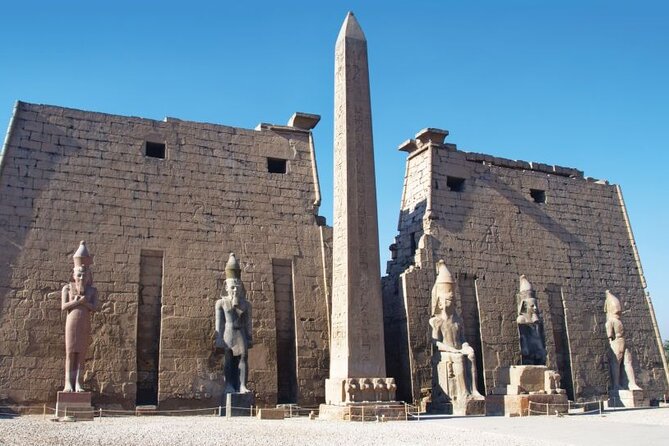
Luxor is often called an open-air museum, and the eastern bank begins with two major temples. Karnak is the larger and more complex of the pair, built and expanded by many generations over roughly 1,500 years. Give yourself time to look beyond the famous columns. The site is a record of changing rulers, religious ideas, and building styles.
Luxor Temple is smaller but more compact and readable. The reliefs and statues are well preserved, and the temple was tied to the annual Opet festival. Seeing Karnak and Luxor Temple on the same day lets you compare a huge religious complex with a more focused ceremonial site.
You board the Nile ship around lunchtime. Later, usually around 4 or 5 p.m., you take a one-hour felucca ride before returning to the cruise boat.
The felucca is a welcome contrast to temple touring. It is a simple sailboat experience, dependent on wind and timing, with a closer view of the river than you get from the larger ship. Do not expect a long private sailing trip unless that is specifically confirmed. The plan promises a one-hour ride.
Day 5: Balloon views and the west bank tombs
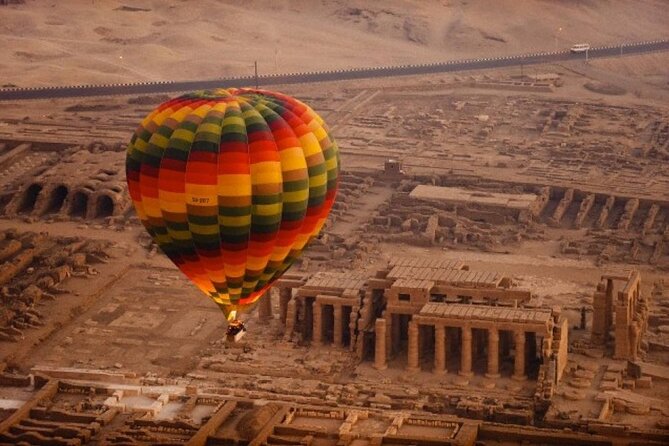
The optional hot-air balloon ride begins very early. You should ask the reception desk for a breakfast box, since the normal breakfast will not fit the schedule. From above, you can see the Nile dividing Luxor’s east and west banks, with temples, fields, roads, and the city laid out below.
The ride is not included in the base price. It costs an additional $130 per person, and the minimum age is six. It is one of the most distinctive additions to the trip, but it also makes an already early morning even earlier.
After landing, you visit the west bank with your guide. The Valley of the Kings is a stark rocky area outside, but its tombs open into painted underground chambers. The number of tombs you enter can depend on the ticket rules and local arrangements, so ask your guide which ones are included.
The Temple of Hatshepsut is built into the cliffs and tells the story of the queen’s birth and trading expeditions to Punt. Your guide can help separate the temple’s political message from the later damage and restoration visible on the site.
The Colossi of Memnon provide a short photo stop before you return to the boat for lunch. The ship then sails toward Edfu.
Luxor is where guide quality can make the largest difference. Names including Martina, Mena, Ahmed Bahaa, Abanoub, Nirmeen, Salah, and Ashraf have been praised for patience, strong English, and lively explanations. The day is packed, so a guide who watches the clock without rushing you is worth having.
Day 6: Edfu and Kom Ombo from the river
The cruise reaches Edfu, where you visit the Temple of Horus. This is one of the best-preserved large temples in Egypt and a useful counterpoint to the older sites around Cairo and Luxor. Its Ptolemaic construction shows how later rulers continued to use Egyptian religious forms.
Transport from the boat to the temple may involve a horse carriage. One practical concern is that carriage drivers have not always been courteous, so ask if another transfer is available if you are uncomfortable with that arrangement.
Back on board, lunch is followed by sailing to Kom Ombo. The temple is unusual because it serves two gods: Sobek, the crocodile god, and Haroeris, the falcon form of Horus. The twin design gives your guide plenty to explain, and the site feels different from the single-god temple plan at Edfu.
Some departures include an evening visit around Kom Ombo, which can be especially atmospheric. The exact timing depends on the ship’s schedule. You return for dinner while the boat continues toward Aswan.
This is also where time pressure is most noticeable. The cruise can stop for only a limited period, and delays in meeting the guide reduce your visit. Keep your phone on, listen carefully for the meeting point, and do not wander far from the agreed pickup area.
Day 7: Abu Simbel and Philae Temple
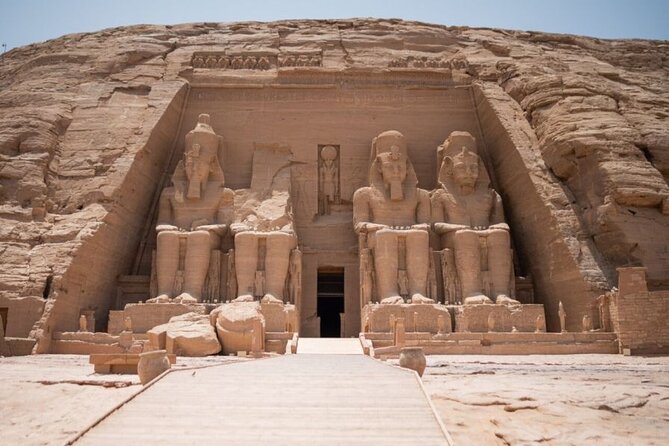
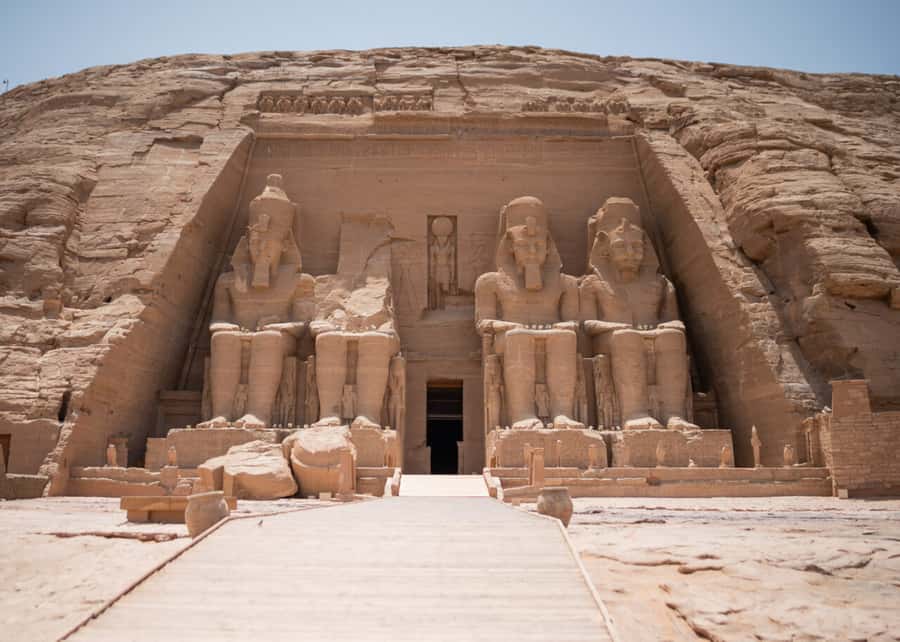
Abu Simbel is the hardest day physically and one of the most rewarding. You leave very early with a breakfast box and travel by road in a group. The trip takes about three hours each way, with roughly an hour at the temples.
The scale of Ramses II’s facade is the immediate point. Inside, the reliefs and statues present the king as a powerful ruler linked to Egypt’s national gods. Your guide should also explain the modern rescue project that moved the temples to higher ground when the rising waters threatened them. That engineering effort helped preserve Abu Simbel and contributed to its UNESCO World Heritage status.
You return to the ship for lunch, then visit Philae Temple. The temple sits on an island, so reaching it includes a boat ride, which adds a pleasant little layer to the visit. The walls carry hieroglyphic inscriptions and scenes of the gods, and the island setting makes Philae feel distinct from the land-based temples.
The day ends with another felucca ride and dinner on board. It is a lot. If you are traveling with young children, older family members, or anyone who dislikes long drives, consider carefully how the early departure and road time will feel.
Guide experiences can differ sharply here. Ahmed and Khaled have been praised for care and strong explanations, while one Abu Simbel guide was described as unfriendly. Since the road journey is so long, a clear and considerate guide matters.
Day 8: Returning to Cairo
After breakfast on the ship, you are transferred to Aswan airport for the flight back to Cairo. A representative meets you on arrival and takes you safely to your Cairo hotel.
The listed tour ends with that Cairo transfer. If your international flight leaves the same day, confirm the timing before booking. If you have a late departure, the extra hotel transfer is useful, but the package does not promise a final sightseeing day.
Hotels, cruise comfort, food, and transport
The Cairo accommodation is described as five-star, but the exact property can vary. Some rooms have had views toward the pyramids, while another hotel was described as comfortable but ordinary. You spend little time in the hotel because the schedule is full, so location and sleep quality may matter more than elaborate facilities.
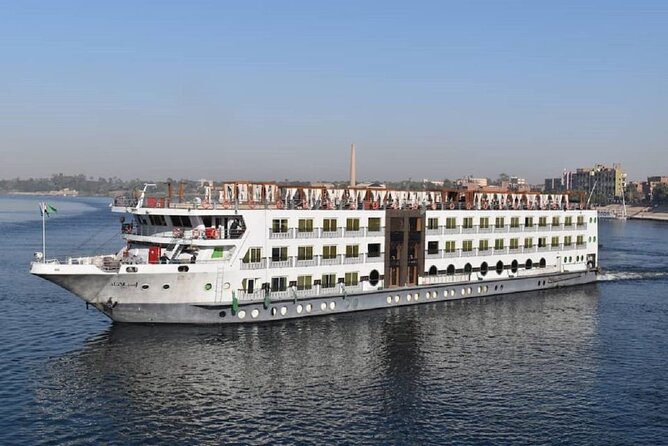
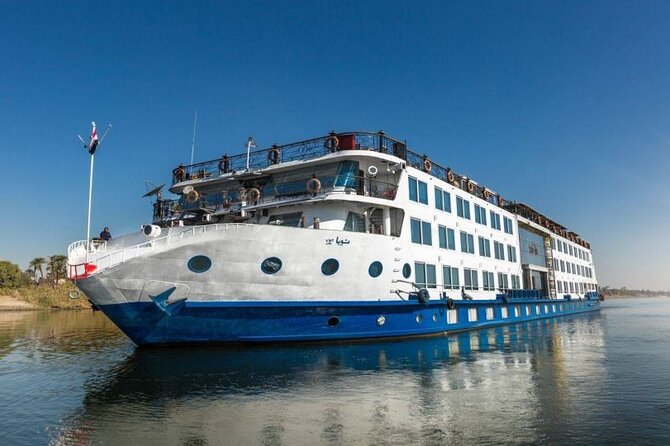
The Nile cruise is the tour’s breathing space. The four-night sailing lets you wake up in a new setting without repacking every morning. Cabins, food, staff, and evening entertainment have generally been well received, but do not assume every ship feels like a modern luxury hotel. One ship was described as dated, and Wi-Fi costs extra on at least one vessel.
Meals are included three times daily. Cruise food has received particularly strong praise, including from vegetarians who found plenty of choices. Cairo and hotel meals are more variable. Drinks are always extra, so carry Egyptian pounds or another accepted payment method for water, soft drinks, and coffee.
Private cars and vans are used for most touring, and the vehicles are described as clean, air-conditioned, and comfortable. Abu Simbel is the exception in spirit: it is a long group road trip, and you should ask about vehicle condition and seat belts before leaving.
The people who make the schedule work
The most consistently praised part of this experience is the coordination. Zeinab, Marina, Marolla, and other coordinators send the next day’s pickup time, guide name, contact details, and plan by WhatsApp. They also respond to flight delays, changes, and questions during the trip.
That support matters in Egypt. You may have one guide in Cairo, another in Luxor, and others at Edfu, Kom Ombo, Philae, and Abu Simbel. Drivers also change. Daily instructions keep you from guessing who is collecting you or where to meet.
You should still read each message closely. The schedule can arrive only the day before, and early departures may be around 3 a.m. or even earlier. Save screenshots of your flights, hotel names, guide contacts, and daily pickup times in case mobile service is poor.
Shopping stops, tips, and the real cost
The price covers a lot, but it does not cover every expense or every moment of your time. Sales stops at papyrus, carpet, cotton, spice, and souvenir shops may appear during sightseeing. You may be encouraged to buy, and some people felt that the stop took time away from monuments.
A polite no is enough. If you do shop, compare prices and be wary of claims about quality or authenticity. One useful tip is to look for a government-certified shop with the round Horus stamp, especially for souvenirs that are sold as special or official.
Tipping is another cost to plan for. Guides, drivers, cruise staff, porters, and small service providers may all expect something. The amount is not specified in the package, so carry a supply of small notes and ask your coordinator for current local guidance.
At $1,400, the value is strongest if you would otherwise pay separately for flights, four cruise nights, private transport, entrance fees, three daily meals, and several guides. It is less attractive if you want to avoid organized shopping visits or if you are happy arranging trains, taxis, hotels, and sites on your own.
Who should book this eight-day Egypt tour?
I would choose this tour if you want the major ancient sites in one trip and prefer a coordinator watching the details. It suits first-time visitors, families who want fixed transport, and couples who value a cruise and private guides more than free time.
Families can make it work, but the pace is real. One family completed it with children as young as three and six, while another found the schedule tiring. The balloon ride requires a minimum age of six, and Abu Simbel is a long day for anyone.
I would hesitate if your priority is slow travel. Cairo’s museums, markets, and neighborhoods receive less attention than the pyramids and religious monuments, and the southern stops are shaped by the cruise timetable. You may also prefer a different plan if you dislike tipping or sales stops.
Should you book it?
Book this tour if you want maximum coverage with minimum planning. The Pyramids of Giza, Saqqara, Karnak, the Valley of the Kings, Edfu, Kom Ombo, Philae, and Abu Simbel form a powerful route, and the Nile cruise gives the trip a welcome pause between long sightseeing days.
Before booking, confirm the Cairo hotel, cruise ship, flight times, guide language, shopping stops, and tipping expectations. Ask specifically about the hot-air balloon supplement and how long you will have at Abu Simbel and the river temples.
For a first Egyptian visit, the price is strong and the support system is valuable. Just bring patience, sensible shoes, sun protection, extra cash, and the willingness to start early. You will see a remarkable amount, but you will not see it at a leisurely pace.
FAQ
What does the $1,400 tour price include?
The price includes three nights in a five-star Cairo hotel, four nights on a five-star Nile cruise, domestic flights between Cairo and Luxor and between Aswan and Cairo, private transport, a private guide, entrance fees, felucca rides in Luxor and Aswan, and breakfast, lunch, and dinner each day.
Is the hot-air balloon ride included?
No. The hot-air balloon ride costs an additional $130 per person. The minimum age is six years old.
Which cities and sites does the tour visit?
The route includes Cairo, Giza, Memphis, Saqqara, Luxor, Edfu, Kom Ombo, Aswan, and Abu Simbel. Major visits include the Pyramids of Giza, the Sphinx, Cairo Citadel, Muhammad Ali Mosque, Saint George Church, the Hanging Church, Karnak Temple, Luxor Temple, the Valley of the Kings, Hatshepsut Temple, Edfu Temple, Kom Ombo Temple, Abu Simbel, and Philae Temple.
How long is the Nile cruise?
The Nile cruise lasts four nights and travels from Luxor to Aswan.
Are drinks included with the meals?
No. Drinks are not included in the package price.
How do I receive the next day’s schedule?
The tour coordinator sends the next day’s itinerary, pickup time, guide information, and other instructions by WhatsApp. Coordinators such as Zeinab and Marina have provided daily updates and answered questions during the trip.
Is Abu Simbel a long trip?
Yes. The journey takes about three hours each way by road, and the visit itself lasts about one hour. You leave very early and should take the breakfast box prepared for you.
Can each person in a group have a private room?
Yes, but each person who wants a separate room must be included through a separate booking for a single room.
Recently reviewed around Cairo
- White Desert Overnight Camping Sharing Tour in Egypt★ 5.0 · 15 reviews
- Cairo Best 2Days tour Pyramids, Saqqara & Old Cairo★ 5.0 · 15 reviews
- Giza Pyramids with (GEM) Grand Egyptian Museum★ 5.0 · 42 reviews
- sunset at Giza pyramids by camels★ 5.0 · 31 reviews
- Tour to Giza pyramids Memphis Sakkara and Felucca on the Nile★ 5.0 · 16 reviews
- visit the pyramids of Giza + the necropolis of Saqqara + the Memphis site.★ 4.5 · 20 reviews
- Private Giza pyramid,sphinx, Mummification temple& inside pyramid★ 5.0 · 32 reviews
- Private guided shopping tour in Khan el-Khalili with Lunch★ 4.5 · 21 reviews
Cruises & Boat Tours, compared.
Orange Bay Island Boat Trip w/ Breakfast and Lunch
Read our review →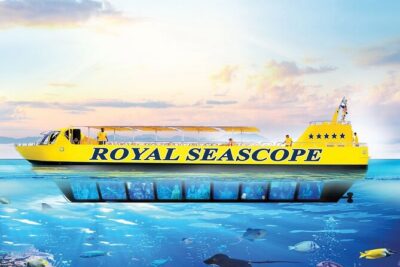
Royal Seascope Submarine Cruise with Snorkel Stop
Read our review →
3 Islands, Dolphins & Snorkel Yacht Trip w/ Lunch
Read our review →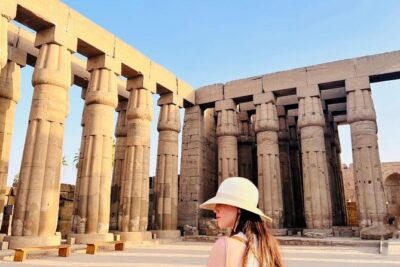
4-Days Nile Cruise From Aswan To Luxor including Abu Simbel and Hot Air Balloon
Read our review →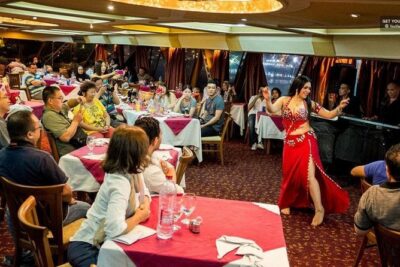
Dinner Cruise on the Nile River with Entertainment
Read our review →
Nile Sunset Dinner Cruise, Show & Optional Transfer
Read our review →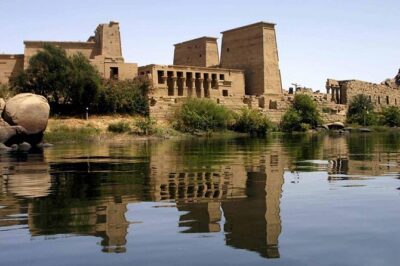
4-Day 3-Night Nile Cruise from Aswan to Luxor&Abu Simbel+Balloon
Read our review →Browse the lists this tour appears in