Reviewed · GIZA PYRAMIDS & SPHINX TOURS
Giza pyramids, Sphinx, and the big museumum
The clever idea behind this Cairo day tour is that you do not see the Giza Pyramids as isolated wonders. You follow the experiment that led from Djoser’s six-step tomb to Snefru’s Bent and Red Pyramids, then to the smoother, more famous pyramids of Giza. Add the Sphinx and the Big Museum, and you get a packed lesson in how royal tombs changed over time.
I like the private transportation and hotel pickup, which save you from sorting out Cairo traffic on your own. I also like the clear visual story: each pyramid gives you another piece of the puzzle. The possible drawback is the pace. Five major stops in roughly eight hours, with entrance fees extra, can make this feel more like an archaeological survey than a relaxed day.
In This Review
- Key points to know before booking
- Why the pyramid sequence makes sense
- Giza and the scale of Cheops
- The Sphinx and its damaged details
- Djoser’s Step Pyramid and Imhotep’s breakthrough
- The Bent Pyramid and a visible engineering correction
- Inside the Red Pyramid
- The Big Museum’s coffins, gold, and masks
- What the private format means in Cairo
- Is $40 a good deal?
- The long day, timing, and practical tradeoffs
- Who should choose this experience?
- Should you book the Giza, Sphinx, and Big Museum tour?
- FAQ
- How long does the tour last?
- What time does the tour start?
- Is hotel pickup included?
- Is transportation private?
- Are entrance fees included in the $40 price?
- Which pyramid sites are included?
- Can you enter the pyramids?
- Is the Big Museum included?
- Can the tour be canceled for a full refund?
Key points to know before booking
- The route connects five major sites: Giza, the Sphinx, Djoser’s Step Pyramid, the Bent Pyramid, and the Red Pyramid.
- You get a private tour: Only your group participates, with a guide, driver, hotel pickup, drop-off, and bottled water.
- The Red Pyramid and Cheops interior are the adventure stops: Entry inside pyramids is available at extra cost, according to the tour details and trip feedback.
- The Big Museum adds coffins, jewelry, gold, statues, masks, and religious objects after the pyramid sites.
- The $40 price excludes admission and tips: The low headline price is attractive, but your final cost depends on which sites and interiors you enter.
- Guide Morsi has been specifically praised for explanations and photography: Guide assignment can vary, so treat his name as a useful possibility, not a guarantee.
Why the pyramid sequence makes sense
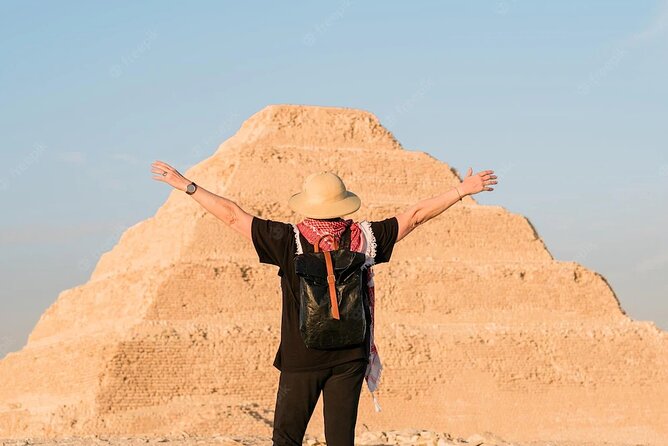
Most Cairo pyramid outings begin and end at Giza. This one takes a longer view. You start with the earliest stage of pyramid building and work toward the clean geometry of Cheops, Khafre, and Menkaure.
That order matters. At Djoser, you see a stepped monument that still looks like a stack of large stone platforms. At Dahshur, the Bent Pyramid shows an engineer correcting the angle partway up. The Red Pyramid then presents the first successful smooth-sided form associated with Snefru. Finally, Giza shows the design at its most famous and confident.
Your guide explains the pyramid shape through ancient Egyptian ideas about the sun god Ra, creation, royal power, and the preservation of the mummy. Some of the language about energy and the pyramid’s power is interpretive rather than a technical explanation, but it gives the day a connecting theme.
I find this approach more useful than simply collecting photographs. You can look at the Bent Pyramid and understand it as a design problem, not just an unusual monument.
Other Cairo days travellers weigh against this one:
- Cairo: Pyramids & Great Sphinx Private Tour with Camel Ride
★ 4.9 · 6,335 reviews - Tour to Giza Pyramids and The Egyptian Museum
★ 5.0 · 6,016 reviews - VIP All inclusive Best of the best Giza Pyramids,Sakkara,Memphis
★ 5.0 · 3,164 reviews
Giza and the scale of Cheops
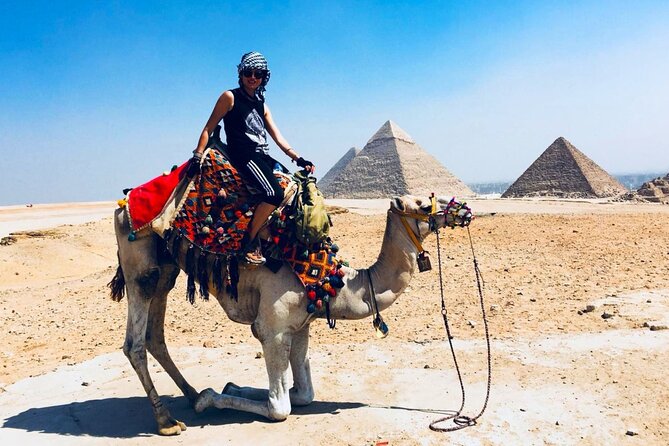
The Giza portion receives about two hours. This is the grand finale of the pyramid story, with the Great Pyramid of Cheops at the center.
The tour explains that Cheops improved on the form used for his father Snefru’s Red Pyramid. It also focuses on the sheer amount of stone involved, describing the monument as using about one million blocks and roughly two million tons. The important point for you is scale. Even after seeing the earlier pyramids, Giza can make the other monuments feel like prototypes.
The explanation about stones moving from Luxor to Giza on the Nile is presented as something to consider, rather than a fully laid-out reconstruction. You should expect broad discussion of building methods, stone transport, labor, engineering, and the reason for the stable pyramid shape. If you want a highly technical account of quarry marks, ramps, and construction dates, ask direct questions as you go.
Admission to the Giza stop is listed as free in the tour plan, but that does not mean every area or interior is included in the overall price. The general rule for this experience is simple: entrance fees are not included, so confirm the exact tickets with the operator before setting out.
The Sphinx and its damaged details
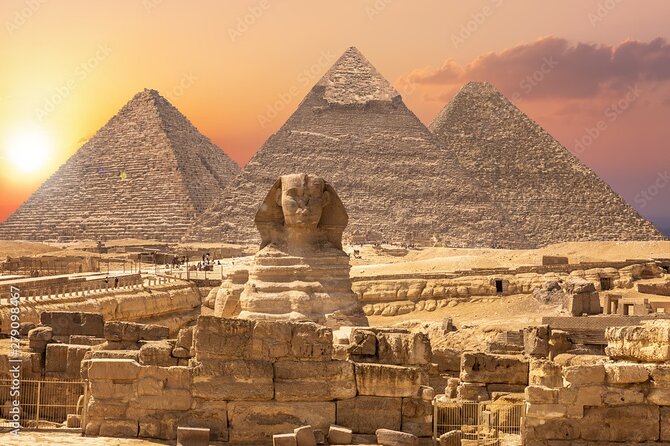
The Great Sphinx receives about one hour. Its familiar combination of a human head and lion’s body is presented as a picture of a ruler who was both intelligent and strong. The face is associated with King Khafre, and the Sphinx is described as a guardian of the pyramids.
This is a good place to slow down and look closely. The missing nose, damaged beard, huge paws, and weathered stone give the monument a very different feel from a distant postcard view. You also see the scale of the blocks and the hand-cut pillars around the temple area.
The tour includes the sun temple connected with Khafre, where the guide explains rituals tied to Ra, sunset, sunrise, death, and rebirth. The tour description also mentions a wishing well and the practice of throwing in a small coin. Treat that as a bit of local visitor ritual, not a central archaeological feature.
The Sphinx visit does not include admission in the stated price. Bring patience for photographs and listen carefully to the guide’s directions about where you can stand. The area is visually open, but the useful viewing points are not always where you first expect them.
Djoser’s Step Pyramid and Imhotep’s breakthrough
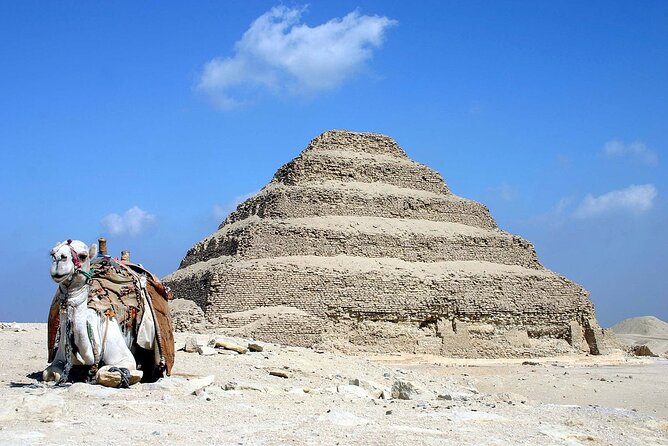
The Djoser stop takes about two hours and gives the day its earliest chapter. The monument is associated with King Djoser and the architect Imhotep, and the tour dates it to about 3000 BC.
Djoser’s pyramid has six visible steps. It was an important move away from the earlier royal tomb form, but it did not yet achieve the smooth-sided pyramid shape that later rulers wanted. The guide connects this change to the wish to create a stronger visual path toward Ra, the sun god.
You will hear the idea that Imhotep tried to reach the perfect pyramid form but stopped at the stepped design. That makes a memorable explanation, though it is best understood as a simple way to describe the monument’s development. The practical lesson is clearer: the Step Pyramid lets you see experimentation in stone.
The tour plan lists admission here as free, while other access points may carry separate charges. The stop is allocated two hours, making it one of the more substantial visits. That is useful if you want the early engineering story, but it adds to the day’s long schedule.
A different kind of day out, same part of Egypt:
- From Cairo: Pyramids of Giza, Sphinx, Saqqara & Memphis Tour
★ 4.7 · 3,110 reviews - Cairo 8 Hour Private Tour of Pyramids, Egyptian Museum and Bazaar
★ 5.0 · 2,931 reviews - Cairo: Pyramids, Sakkara & Memphis Tour with Lunch
★ 4.6 · 2,493 reviews - Private ViP all-inclusive Giza Pyramids,Sphinx,Inside Pyramid
★ 5.0 · 2,448 reviews
The Bent Pyramid and a visible engineering correction
The Bent Pyramid at Dahshur is one of the most revealing monuments on this route. Built for Snefru, father of Cheops, it changes angle halfway up. The tour explains that construction began with a steep angle, then shifted to a gentler one.
You do not need an engineering degree to see why this matters. The pyramid looks as if two design decisions meet in the middle. Compared with the later Red Pyramid, its shape makes the building process easier to imagine.
The tour includes a look inside the royal tomb, which is described as empty. That interior visit is an extra-cost item, so ask before assuming it is covered by the $40 price. Going inside can be a memorable part of the day, but narrow passages and enclosed spaces may not suit everyone.
The Bent Pyramid stop is planned for about one hour. That is enough to see the exterior and understand the change in angle, but it is not a long, unhurried archaeological visit. Your guide’s explanation matters here because the form alone does not tell you the whole story.
Inside the Red Pyramid
The Red Pyramid is described as the first successful pyramid with a consistently smooth angle for Snefru. It completes the development that began with Djoser and took a visible wrong turn at the Bent Pyramid.
The exterior has its own appeal, but the interior is the main reason to allow time here. The tour describes the inside as cold and presents the visit as an adventure. You may pass through cramped corridors into the internal chambers, though the supplied details do not specify every section accessible on the day.
The Red Pyramid stop lasts about one hour. If you plan to enter, wear clothing suited to movement and be ready for a physically demanding passage. The tour information does not provide a detailed accessibility assessment, so ask the operator if stairs, low ceilings, or enclosed corridors are a concern for you.
This stop also gives you a direct comparison with the Bent Pyramid. Seeing both in one day makes the design story unusually easy to follow: first a change in angle, then a successful smooth-sided form, then the refined monuments at Giza.
The Big Museum’s coffins, gold, and masks
The tour also includes Cairo’s Big Museum, described as a final stop filled with coffins, jewelry, gold, statues, masks, figures of different gods, and other ancient objects.
The museum changes the mood of the day. At the pyramids, you study monumental architecture and the desert setting. Inside the museum, you turn to objects made for burial, worship, royal display, and daily belief. The combination helps explain why the pyramids were not just giant buildings. They belonged to a larger system of kingship, religion, funerary ritual, and protection of the dead.
The available details do not give a separate visit length for the museum, nor do they list specific galleries or named objects. Do not book this tour expecting a carefully timed museum-only visit. The day already includes five major archaeological stops, so the museum portion may feel like an added survey rather than a complete museum day.
Still, it is valuable if you want more than exterior views. Coffins, masks, gold, and statues put human faces and craftsmanship alongside the huge stone monuments.
What the private format means in Cairo
This is a private tour, so only your group participates. That is a meaningful advantage in Cairo, where you may want to pause for a question, adjust the pace, or spend more time taking photographs without waiting for a large bus group.
Private transportation and hotel pickup and drop-off are included. Bottled water is included too. Those details matter on an eight-hour outing that moves between Giza, the Sphinx, Saqqara, Dahshur, and the museum.
The route is ambitious, so private transport also helps with the basic rhythm of the day. You are not left arranging separate rides between pyramid fields. The experience is still subject to Cairo traffic and the time needed at each site, but the driver and guide handle the movement.
A guide named Morsi has been specifically associated with strong explanations and good photographs. Another account describes the operator as responsive, with the driver and guide doing a good job. Since guide assignment can change, I would request Morsi when booking if that matters to you, but I would not treat it as guaranteed.
Is $40 a good deal?
At $40 per person, the tour has an attractive starting price for a full private day with transportation, a guide, hotel pickup, drop-off, and water. The value is strongest if you want to visit several pyramid areas without organizing the transport yourself.
The price does not include entrance fees or tipping. That is the key budget point. The Bent Pyramid, Red Pyramid, Sphinx, and any pyramid interiors may require additional payment, and the final total can rise depending on what you choose.
Before booking, ask for a current breakdown of every admission charge. Pay special attention to entry inside the Red Pyramid, the Bent Pyramid tomb, the Great Pyramid of Cheops, the Sphinx area, and the museum. The tour description and admission notes do not make every ticket arrangement perfectly clear.
Group discounts are offered, which may improve the value if you are traveling with family or friends. Since the activity is private, the per-person price makes most sense for a small group that wants a dedicated vehicle and guide.
The long day, timing, and practical tradeoffs
The tour begins at 8:00 am and lasts approximately eight hours. That early start is useful because the route covers several locations, but the day will feel full.
You spend about two hours at Giza, one hour at the Sphinx, two hours at Djoser, one hour at the Bent Pyramid, and one hour at the Red Pyramid. The museum must fit within the overall schedule as well, along with driving time and any stops between sites.
That leaves little room for wandering without a plan. You should decide before departure which pyramid interiors matter most to you. If you try to enter everything, photograph every angle, and give the museum equal attention, the schedule may feel rushed.
One favorable detail is that hotel pickup and drop-off remove some of the morning and evening hassle. Free cancellation is available until 24 hours before the start time, which gives you some flexibility. Changes or cancellations inside that window are not accepted, and the experience requires a minimum number of participants.
The tour states that most people can participate and that service animals are allowed. It does not provide detailed information about wheelchair access, the pyramid interiors, or the physical demands of the passages. Ask before booking if those points affect your plans.
Who should choose this experience?
I would choose this tour if you have one major Cairo sightseeing day and want to connect the principal pyramid sites in a logical sequence. It suits first-time visitors who want both the famous Giza view and the less familiar Bent and Red Pyramids.
It is also a good match for history-minded people who enjoy seeing how a building form changes over time. Djoser, Bent, Red, and Giza make a clear visual progression that many shorter tours skip.
Families and small groups may appreciate the private vehicle and flexible questions. The group discount can also help if several people are sharing the booking.
I would be more cautious if you prefer a slow pace, long museum visits, or a single-site focus. This is an action-packed day. It also may not be the best choice for anyone who dislikes enclosed spaces or strenuous pyramid interiors, especially since those sections are optional but central to some of the most memorable moments.
Should you book the Giza, Sphinx, and Big Museum tour?
Book it if you want maximum archaeological coverage in one day, private transport, and a guide who can explain the progression from Djoser to Giza. The route gives you more context than a standard Giza-only outing, and the Red Pyramid and Sphinx add real variety.
Before paying, confirm the museum visit, all entrance fees, pyramid interior tickets, and the guide assignment. Go in expecting a busy day, not a leisurely one.
For $40 per person before admissions and tips, this is a strong starting value for a private Cairo tour. I would recommend it to an organized small group that wants to see a lot and does not mind moving quickly. If your priority is depth at one site, choose a shorter private visit instead.
FAQ
How long does the tour last?
The tour lasts approximately eight hours.
What time does the tour start?
The stated start time is 8:00 am.
Is hotel pickup included?
Yes. Hotel pickup and drop-off are included.
Is transportation private?
Yes. Private transportation is included, and only your group participates.
Are entrance fees included in the $40 price?
No. Entrance fees are not included. Tipping is also not included.
Which pyramid sites are included?
The route includes Giza, the Great Sphinx, Djoser’s Step Pyramid, the Bent Pyramid, and the Red Pyramid.
Can you enter the pyramids?
The tour information describes entry inside the Bent Pyramid and Red Pyramid, and trip details also refer to entering the tunnels in Cheops. These admissions are not included in the listed price, so confirm the current options before booking.
Is the Big Museum included?
The tour includes a visit to the Big Museum, where you can see coffins, jewelry, gold, statues, masks, and other ancient objects. The supplied details do not state a separate museum visit length.
Can the tour be canceled for a full refund?
Yes, you can cancel at least 24 hours before the start time for a full refund. Cancellations or changes made less than 24 hours before the start time are not accepted for a refund.
Recently reviewed around Cairo
- White Desert Overnight Camping Sharing Tour in Egypt★ 5.0 · 15 reviews
- Cairo Best 2Days tour Pyramids, Saqqara & Old Cairo★ 5.0 · 15 reviews
- Giza Pyramids with (GEM) Grand Egyptian Museum★ 5.0 · 42 reviews
- visit the pyramids of Giza + the necropolis of Saqqara + the Memphis site.★ 4.5 · 20 reviews
- sunset at Giza pyramids by camels★ 5.0 · 31 reviews
- Tour to Giza pyramids Memphis Sakkara and Felucca on the Nile★ 5.0 · 16 reviews
- Private Giza pyramid,sphinx, Mummification temple& inside pyramid★ 5.0 · 32 reviews
- Private guided shopping tour in Khan el-Khalili with Lunch★ 4.5 · 21 reviews
Giza Pyramids & Sphinx Tours, compared.
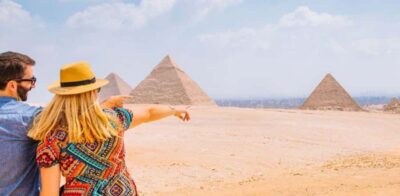
Pyramids & Great Sphinx Private Tour with Camel Ride
Read our review →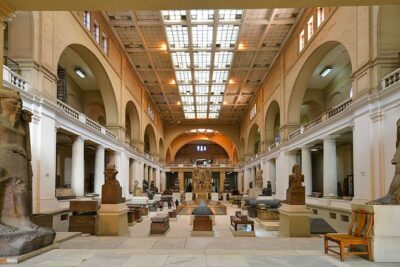
Tour to Giza Pyramids and The Egyptian Museum
Read our review →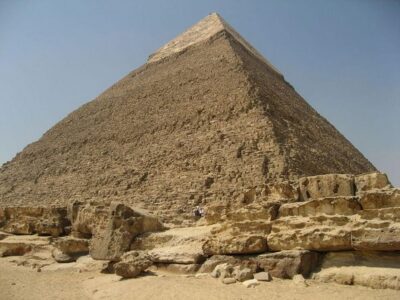
VIP All inclusive Best of the best Giza Pyramids,Sakkara,Memphis
Read our review →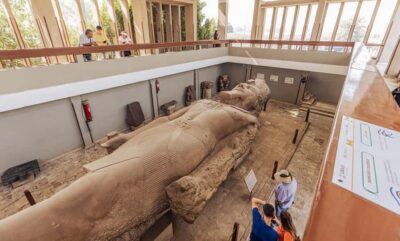
Pyramids of Giza, Sphinx, Saqqara & Memphis Tour
Read our review →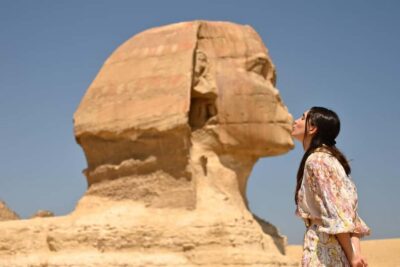
Half-Day Tour to Pyramids of Giza and the Sphinx
Read our review →
Private ViP all-inclusive Giza Pyramids,Sphinx,Inside Pyramid
Read our review →
Grand Egyptian Museum, Pyramids, Sphinx Tour & Lunch
Read our review →