
Reviewed · HOT AIR BALLOON RIDES
Luxor: West and East Banks All-Inclusive Tour & Balloon Ride
The day’s big draw comes before breakfast: a sunrise hot-air balloon flight over Luxor’s West Bank. From above, the Nile, desert, fields, tombs, and temples form a view that ground-level sightseeing simply cannot match. After landing, you continue through the Valley of the Kings, Hatshepsut Temple, Karnak, and Luxor Temple with a guide and driver.
I like two things especially. First, the tour joins Luxor’s major sights with a calm felucca sail and lunch, so you are not only moving from one ancient site to the next. Second, the guides often make the difference. Names praised for clear explanations and thoughtful pacing include Manal, Salma, Ahmed Anwer, Ayman, Esraa, and George.
The drawback is the very long 11-hour schedule. You start extremely early, walk through exposed archaeological sites, and finish after a full day of sightseeing. In August, the heat can be severe. The balloon flight also depends on wind, so the day’s headline event is not guaranteed.
In This Review
- Key points to know before booking
- Sunrise above Luxor’s West Bank
- Valley of the Kings and the tombs beneath the hills
- Hatshepsut’s terraces at Deir el-Bahari
- Colossi of Memnon and a local lunch
- A traditional felucca on the Nile
- Karnak Temple, Luxor’s grandest stop
- Luxor Temple after dark or in late light
- What the $188 price really buys
- Pacing, heat, and what to pack
- The guide can make or break the day
- Should you book this Luxor day tour?
- FAQ
- How long does the Luxor tour last?
- What time does the tour start?
- What sites are included?
- Is the hot-air balloon ride included?
- What happens if the balloon flight is canceled?
- Is lunch included?
- Is the felucca ride included?
- Where is hotel pickup available?
- Can children join the balloon flight?
Key points to know before booking
- The balloon ride starts before dawn: You get Luxor’s best light from the air, but you must be ready for an exceptionally early pickup.
- Five major sights fit into one day: The route covers the Valley of the Kings, Hatshepsut Temple, Colossi of Memnon, Karnak Temple, and Luxor Temple.
- A felucca ride breaks up the sightseeing: The traditional sailing boat offers a slower Nile view after the temples and tombs.
- The guide is central to the experience: English is included, with Arabic, French, German, and Spanish options listed.
- Weather can change the plan: Several bookings had balloon flights postponed or canceled because of wind, with rescheduling or partial refunds arranged.
- The $188 price covers the main costs: Transport, entrance fees, lunch, guide, driver, balloon flight, felucca, taxes, and service charges are included.
Sunrise above Luxor’s West Bank
Your day begins with hotel pickup in the Luxor Governorate, normally from an East Bank hotel. You are asked to wait outside the hotel lobby 10 minutes before the scheduled time. The start is likely to be before sunrise, with one reported pickup at 4:40 a.m., so set out your clothes and camera the night before.
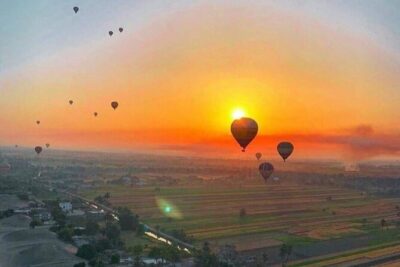
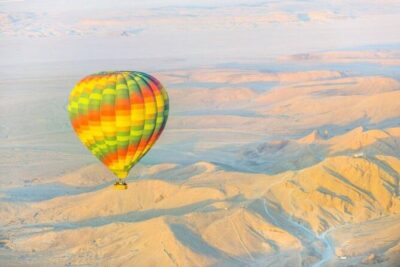
The balloon launch brings you above the West Bank at a height of more than 1,500 feet. The exact flight length can vary, but one account describes about an hour in the air. As the sun comes up, the view takes in the Nile Valley and the ancient sites below, including the area around the Valley of the Kings and Hatshepsut Temple.
This is not just a quick photo stop. From the basket, you see how closely Luxor’s fertile river plain sits beside the dry desert and cliffs. The temples make more sense from this angle, too. Hatshepsut’s terraces appear at the foot of Deir el-Bahari, while the West Bank’s tombs and monuments spread across a broad, arid setting.
You should bring a camera, but keep expectations sensible. The balloon is a shared activity, and conditions depend on wind and aviation rules. Children under six cannot take part in the flight. Pregnant women and people with mobility impairments are also listed as unsuitable for the tour.
Balloon cancellations are a real part of the planning equation. Wind caused repeated cancellations for some bookings, while operators arranged flights the next day in several cases. Another booking received a partial refund after a weather cancellation. If the flight is the main reason you are booking, allow a spare morning in Luxor if your schedule permits.
After landing, you meet your guide and driver for the sightseeing portion. This separation between balloon crew and tour guide is worth knowing. You do not necessarily spend the entire morning with the same person, but the handoff is designed to continue the day rather than send you back to your hotel.
More Hot Air Balloon Rides in Luxor
- Hot Air Balloon Ride in Luxor Egypt with Transfers Included
★ 5.0 · 4,319 reviews - Luxor: Hot Air Balloon Ride over Luxor Relics
★ 4.8 · 1,681 reviews - Luxury Sunrise Balloon Ride in Luxor with Hotel Pickup
★ 5.0 · 1,104 reviews
Valley of the Kings and the tombs beneath the hills
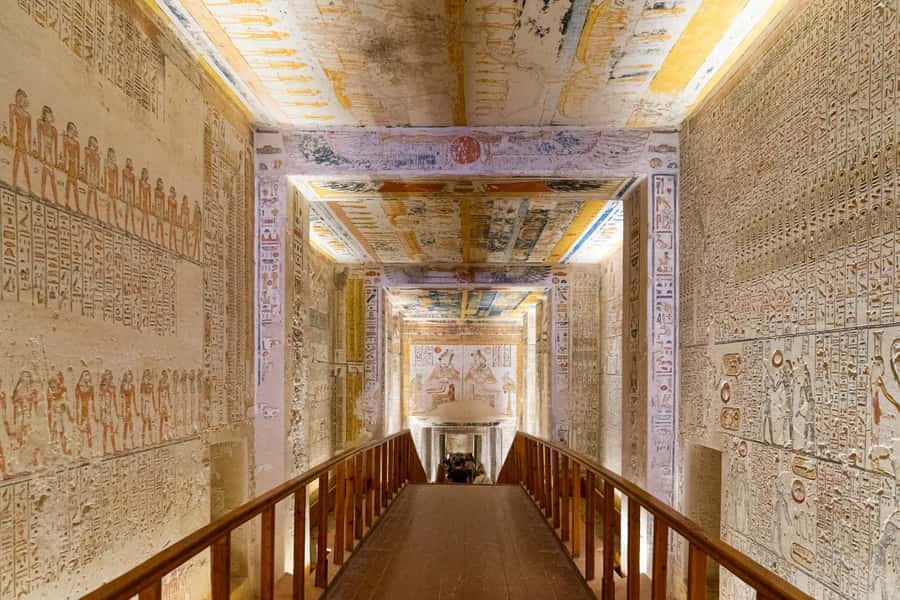
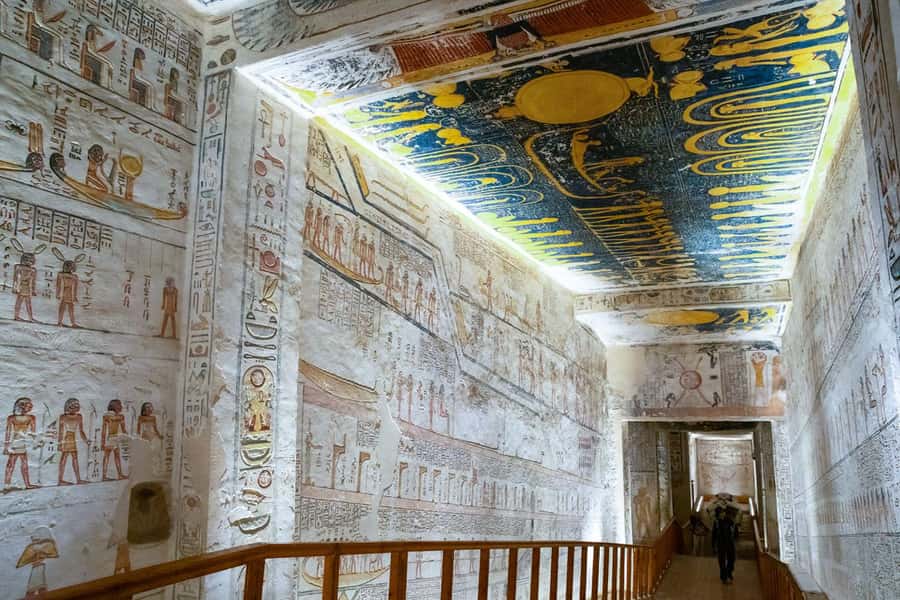
The first major archaeological stop is the Valley of the Kings, also called the Valley of the Gates of the Kings. Pharaohs of Egypt’s New Kingdom were buried here in rock-cut tombs, hidden in the hills on the West Bank.
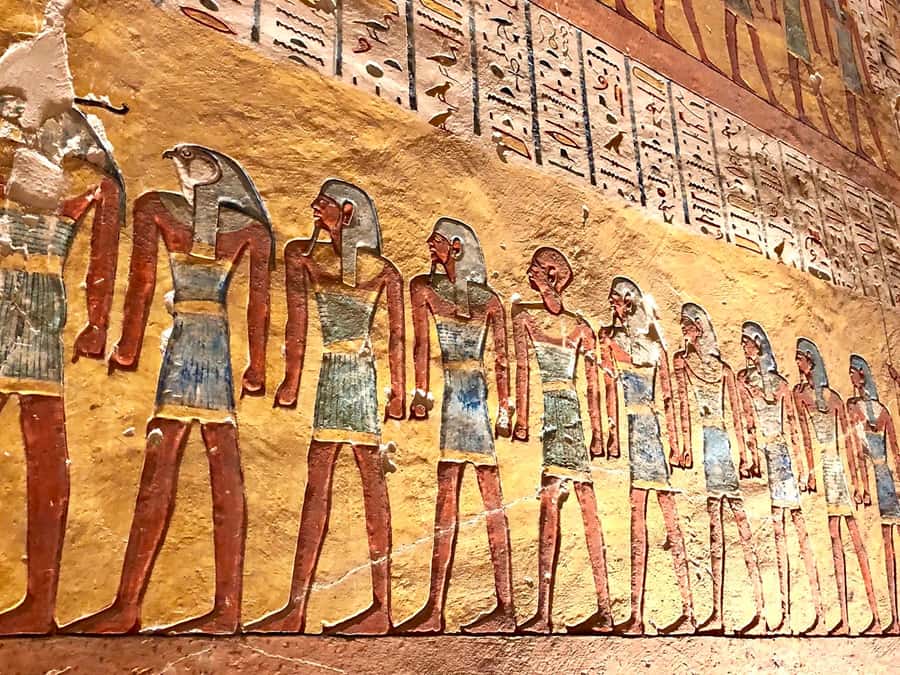
The attraction is underground rather than grand from the outside. You walk into decorated corridors and chambers where painted scenes, symbols, and hieroglyphs cover the walls. The experience rewards a guide who can explain what the images mean and why the tombs were built in this remote valley.
Your entrance ticket to the temples and listed sites is included, but specific tomb access can sometimes depend on the ticket arrangement for the day. The supplied information does not promise entry to every tomb or special tomb such as Tutankhamun’s, so ask your guide what is included before choosing additional tickets.
Wear comfortable shoes. The tour information is right to emphasize this, since the day includes walking through archaeological grounds, climbing or descending in tomb areas, and moving across uneven surfaces. A camera is useful, although you should follow the site’s current photography rules.
The Valley of the Kings is often the point where the scale of Luxor becomes clear. You are not looking at one isolated monument. You are moving through a burial zone filled with royal ambition, ritual, art, and engineering, all packed into a dry mountain setting.
Hatshepsut’s terraces at Deir el-Bahari
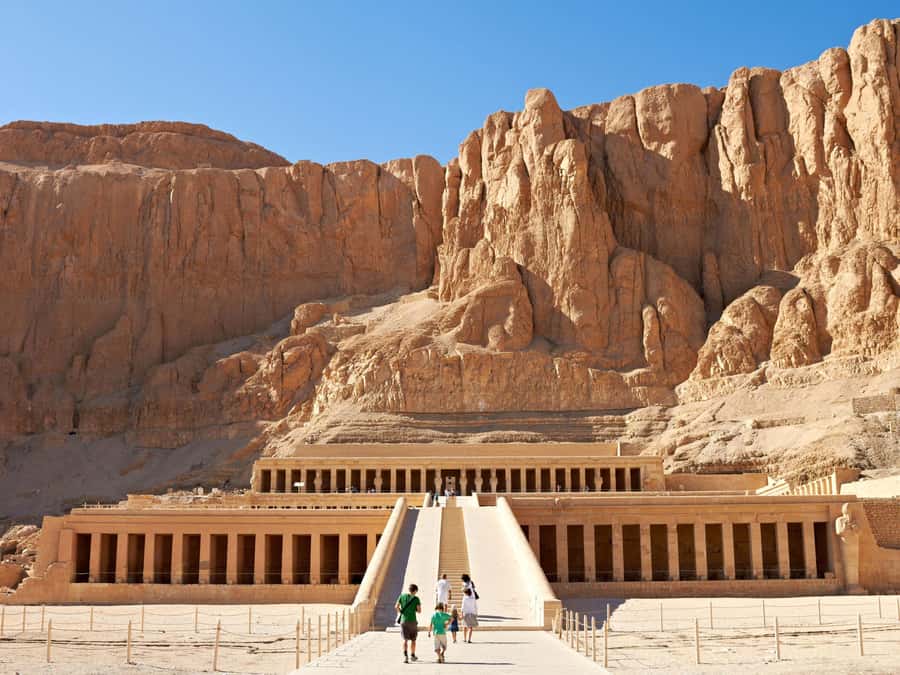
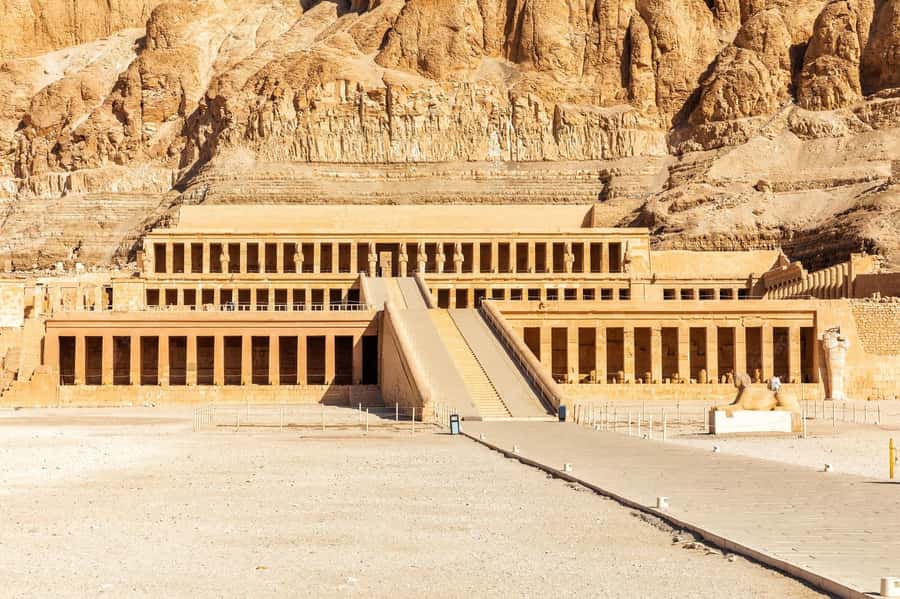
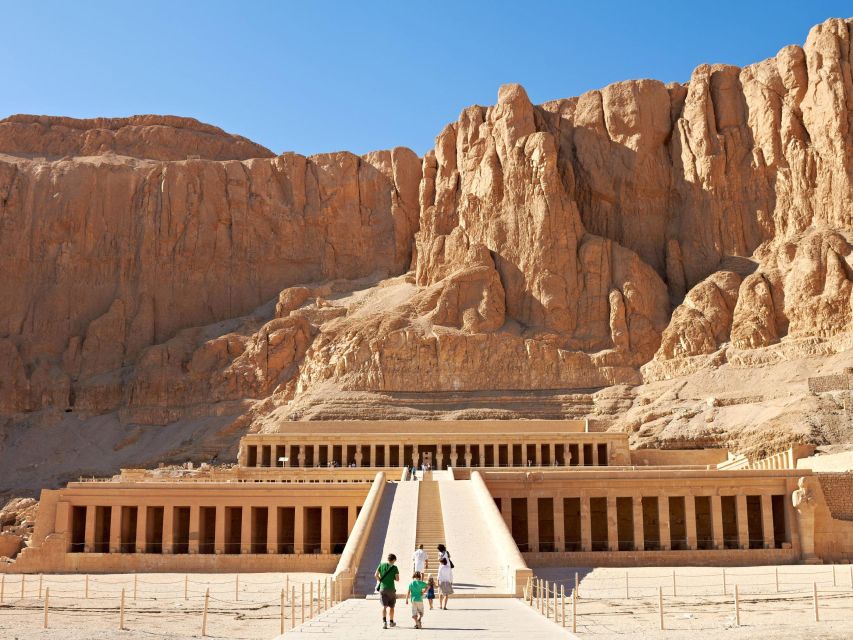
Next comes the Mortuary Temple of Queen Hatshepsut. Its three broad terraces rise from the desert toward the cliffs of Deir el-Bahari, giving it one of the most striking profiles on the West Bank.
The temple is valuable for both its setting and its story. Hatshepsut ruled as pharaoh and commissioned a monument that uses long horizontal lines, terraces, ramps, and the cliffs behind it. Your guide explains the reliefs and the building’s place in ancient Egyptian worship and royal power.
This stop can feel exposed, especially in summer. There is little reason to rush, though, because the structure is best understood from several points along the approach. A guide such as Salma, Manal, George, or Ahmed Anwer can help you read the site rather than simply photograph it.
The tour gives you guided visits at Hatshepsut Temple and the Valley of the Kings. You also retain some time to look around independently. That balance matters. The strongest guides, including Ayman and Ahmed Talaat according to the supplied accounts, explain the essentials, answer questions, and then give you room to take in the monument at your own pace.
Colossi of Memnon and a local lunch
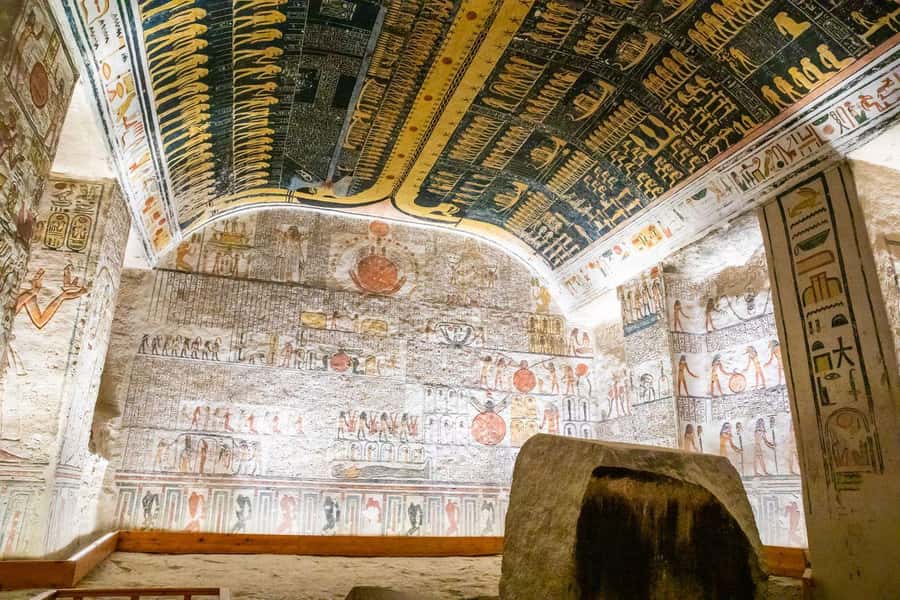
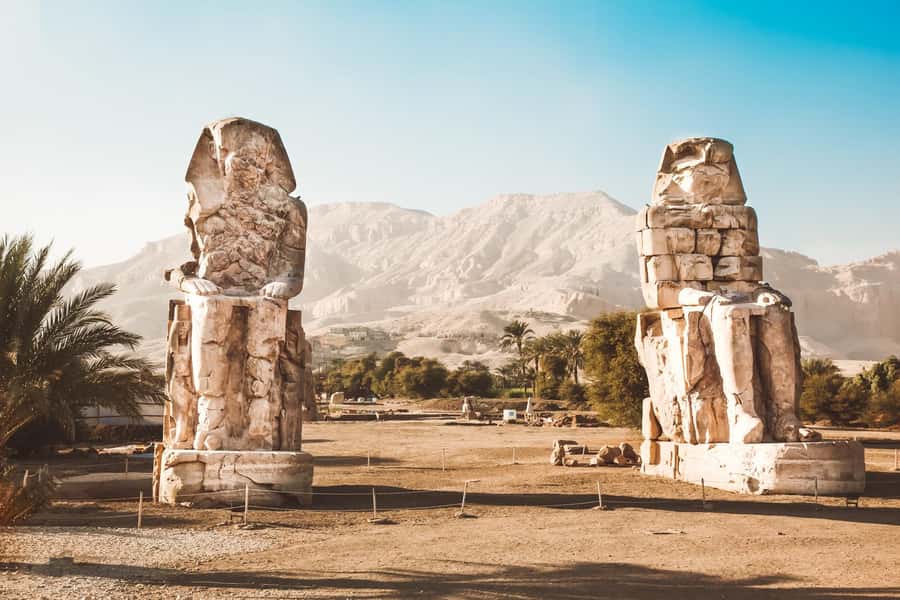
The Colossi of Memnon provide a shorter stop, but the two huge seated statues make an immediate impression. They once guarded the entrance to the mortuary temple of Amenhotep III, much of which has disappeared or survives in scattered remains.
This is a useful pause after the Valley of the Kings and Hatshepsut Temple. You can see the scale of the royal complex without committing to another long interior visit. Your guide gives the historical setting, and you have time for photographs before lunch.
Lunch is served at a local restaurant and is included in the $188 price. The available details do not specify a fixed menu, but one account describes a tasty beef meal. Drinks are also supplied during parts of the day according to individual accounts, though I would still carry water and a small snack.
The lunch stop is practical rather than a culinary tour. It gives you a seated break before the East Bank portion, which you will appreciate after the early balloon flight and morning walking. If you eat a very early breakfast, remember that lunch may come later in a packed schedule, so snacks are sensible to bring.
More Luxor trips worth a second look
- Hurghada: 2-Day Luxor Tour with Hotel, Balloon, & Boat Ride
★ 4.5 · 1,113 reviews - Luxor: Morning Hot Air Balloon Ride
★ 4.4 · 736 reviews - Sunrise Hot Air Balloon Over the Historical sites in Luxor
★ 5.0 · 697 reviews - Sunrise Hot Air Balloon Ride Over Luxor
★ 5.0 · 648 reviews
A traditional felucca on the Nile
The felucca ride changes the pace. These traditional sailing boats move with the Nile breeze and offer a low, open view of the riverbanks. After the enclosed tombs and monumental temple walls, the water gives you a chance to sit, breathe, and watch Luxor pass at a gentler speed.
One account describes ending the day with a sunset felucca ride, while the planned route places the sail between the West and East Bank visits. The exact timing can change with the day’s operations, but the value is the same: you get a river experience rather than seeing the Nile only through a vehicle window.
You can relax with a drink during the sail. One especially memorable account included the chance to steer the boat, though that should not be treated as a guaranteed feature. The boat ride is still worthwhile even if you simply sit and enjoy the water.
The felucca is also a reminder that Luxor is a living river city, not only an archaeological park. The ancient monuments are the reason you come, but the Nile explains why this place mattered for so long and why the city remains here today.
Karnak Temple, Luxor’s grandest stop
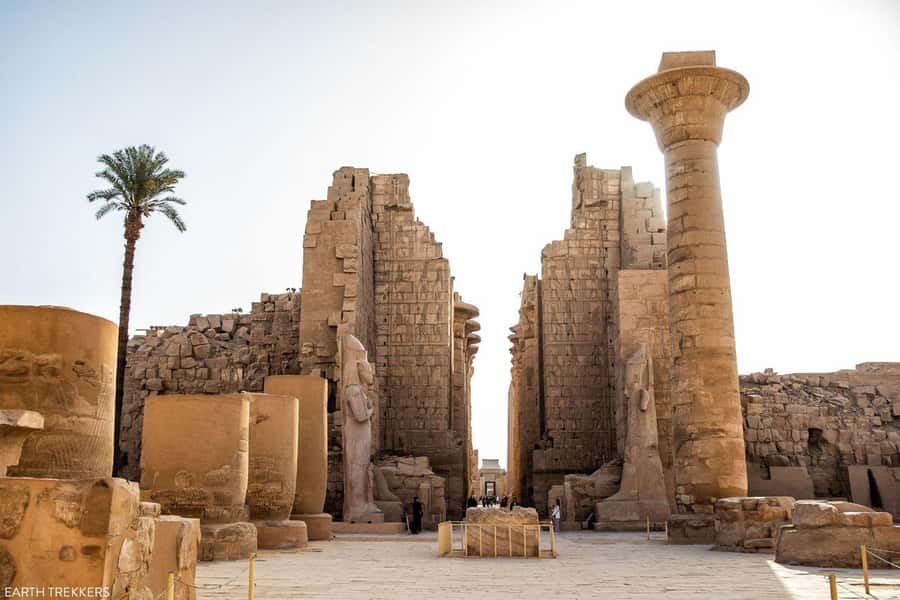
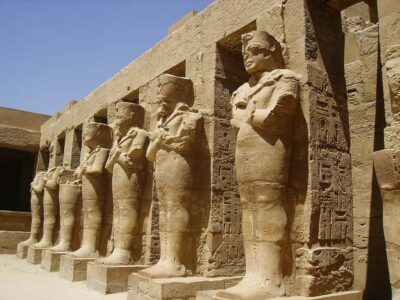
Karnak Temple is the largest and most elaborate temple complex on the route. It was dedicated to Amun, his wife Mut, and their son Khonsu, forming the Theban triad. Successive rulers added halls, pylons, columns, statues, and inscriptions over many centuries.
Give Karnak time. The site can feel overwhelming if you only walk from gate to exit, because its scale is difficult to grasp in one glance. Your guide’s explanation helps organize the complex and shows how religious purpose, royal building projects, and symbolism fit together.
The Great Hypostyle Hall is the visual centerpiece for many people, with its forest of massive columns. Look closely at the carved surfaces rather than treating the hall as one giant photograph. The details are easier to appreciate when your guide points out the figures, names, and scenes.
Karnak is also where the full-day format has a clear advantage. A rushed half-day visit can give you the entrance and a few famous views, but a guide-led visit lets you understand the complex as a place of worship rather than a collection of stone walls.
Crowds and heat may affect your pace. A guide who adjusts the order or spends less time in the most exposed areas can make a major difference. Several accounts praise guides for avoiding larger crowds, allowing private time, and checking on comfort during hot weather.
Luxor Temple after dark or in late light
Luxor Temple is smaller and more concentrated than Karnak, but it makes a strong final temple visit. Amenhotep III began the temple in the 18th Dynasty, and Ramses II completed major parts of it. Its location in the modern city gives it a different feel from the West Bank monuments.
Here, ancient Egypt meets present-day Luxor. You can better sense how the temple occupied an active urban setting, rather than sitting alone beyond the city. The columns, courtyards, statues, and ceremonial spaces are easier to follow after Karnak because your guide can explain how the two temples were connected in religious life.
Luxor Temple is a good place to ask questions. The day’s earlier visits focus on royal tombs and mortuary temples, while this complex shows a major place of worship in the city itself. Guides including Esraa, Asma Saber, Nermiin, and Ebram are specifically praised in the supplied accounts for detailed explanations and patient answers.
The final transfer takes you back to your hotel in the Luxor Governorate. Depending on the sequence and traffic, this can be a tiring finish. The benefit is that you have covered both banks without arranging separate taxis, ferry crossings, temple tickets, lunch, and a boat ride yourself.
What the $188 price really buys
At $188 per person, this is not a bargain-priced sightseeing loop. It is a bundled full-day experience with an expensive balloon flight at the front, plus a guide, driver, entrance fees, lunch, felucca ride, hotel pickup and drop-off from East Bank hotels, taxes, and service charges.
The value is strongest if you have only one day in Luxor. You avoid spending time arranging transport between the West and East Banks, and you get a guide to connect the sites. You also receive the balloon flight without having to book a separate operator, then continue directly into the main sightseeing program.
The value is less clear if you have several days and prefer slow visits. The schedule covers a lot of ground, and you may want a full morning just for the Valley of the Kings or Karnak. Some travelers with more time would be happier splitting the West and East Banks across two days.
The condition of the vehicle is one area where expectations should be moderate. Most accounts describe punctual transfers and courteous, safe drivers, but one person felt the vehicle could have been newer and more spacious. That is a fair reminder that transport is functional, not necessarily luxurious.
The tour includes pickup from East Bank hotels. West Bank pickup costs an extra $5 per person. Spanish, German, and French guiding is available as an add-on, while English is included in the stated package. Arabic, English, French, German, and Spanish are listed among the available guide languages, so confirm the language and any added cost when booking.
Pacing, heat, and what to pack
I would treat this as an active day, not a relaxed excursion. You begin in the dark, fly at sunrise, walk through several archaeological areas, eat lunch, sail on the Nile, and visit two major East Bank temples.
Comfortable shoes are essential. Add light, comfortable clothing, sunscreen, a hat, and a camera. A jacket can be useful during the early balloon start, while the same day may become very hot later. One August account specifically advises bringing sunscreen, a hat, and a jacket.
Bring snacks even though lunch is included. The early start and long gaps between activities make a small snack useful. Water is also sensible, despite reports of free drinks during the tour.
This tour is not suitable for wheelchair users, people with mobility impairments, or pregnant women. Children under six cannot join the balloon flight because of civil aviation rules. If you are traveling with older children, confirm the balloon operator’s current age requirements before paying.
The cancellation policy gives you some protection: you can cancel up to 24 hours in advance for a full refund, and you can reserve now and pay later. That flexibility is helpful when weather might affect the balloon, but it does not remove the need for a backup plan if your Luxor stay is short.
The guide can make or break the day
The itinerary is strong on its own, but the guide shapes how much you take away. You are seeing tombs, temples, statues, and inscriptions in quick succession. Without context, the day can blur into a parade of large stones.
Look for an Egyptologist or guide who explains clearly, welcomes questions, and knows when to stop talking. Ahmed Anwer, Salma, Manal, Ayman, George, Esraa, and Ebram are among the guides associated with strong feedback for clear explanations, patience, humor, photography, and flexible pacing.
Several individual accounts also praise guides for taking photographs, helping with souvenirs, managing street sellers, and adjusting the route when people became tired. Those extras are not guaranteed services, but they show why communication with the operator before the tour can be useful.
If you want a quiet day with long independent visits, tell the guide early. If you want the stories and symbols explained in detail, ask questions as you go. The best use of this tour is not to collect five sites as quickly as possible, but to let the guide connect them.
Should you book this Luxor day tour?
I would book it if you have one day in Luxor and want the headline sights plus a balloon flight without coordinating every piece yourself. The sunrise view, Valley of the Kings, Hatshepsut Temple, Karnak, Luxor Temple, lunch, and felucca ride make a powerful first look at the city.
I would choose another plan if you dislike early starts, struggle with heat and walking, or have enough time to split the two banks over separate days. The balloon can also be canceled by wind, so do not book it as your only chance for an aerial experience unless you have room to reschedule.
For most physically active visitors, the $188 price is reasonable because it covers nearly all the major costs and removes a great deal of local planning. Just arrive ready for a long day, bring water and sun protection, and confirm your pickup point, guide language, and balloon weather policy before departure.
FAQ
How long does the Luxor tour last?
The tour lasts 11 hours, including the sunrise balloon flight, visits to the West and East Banks, lunch, the felucca ride, and hotel transfer back to Luxor.
What time does the tour start?
The starting time depends on availability and the sunrise balloon schedule. It can be very early. One pickup was reported at 4:40 a.m., and you should be ready outside your hotel lobby 10 minutes before pickup.
What sites are included?
The route includes the Valley of the Kings, the Mortuary Temple of Queen Hatshepsut, the Colossi of Memnon, Karnak Temple, and Luxor Temple.
Is the hot-air balloon ride included?
Yes. A sunrise hot-air balloon ride is included in the listed price, subject to suitable weather and aviation conditions.
What happens if the balloon flight is canceled?
Wind and other weather conditions can cause cancellations. The tour company may arrange the flight for another day when possible, or provide a partial refund in some cases.
Is lunch included?
Yes. Lunch at a local restaurant is included.
Is the felucca ride included?
Yes. The tour includes a ride on a traditional felucca sailing boat on the Nile.
Where is hotel pickup available?
Pickup and drop-off are included for hotels on Luxor’s East Bank. Pickup from the West Bank is available for an additional $5 per person.
Can children join the balloon flight?
Children under six cannot join the hot-air balloon flight because of a civil aviation rule. Pregnant women, people with mobility impairments, and wheelchair users are not suited to this activity.
Recently reviewed around Luxor
- Luxor: Karnak and Luxor Temples Private Half-Day Tour★ 4.7 · 27 reviews
- Private Full Day West Bank: Valley of kings Hatshepsut &More★ 4.9 · 40 reviews
- From Luxor: 3-Day Nile Cruise to Aswan with Private Guide★ 4.2 · 147 reviews
- From Hurghada: Luxor Private Guided Day Tour with Lunch★ 4.6 · 28 reviews
- Marsa Alam: Snorkeling with Sea Turtles Marsa Mubarak★ 4.9 · 26 reviews
- Marsa Alam : Over Day Tour to Luxor & Balloon Ride & Felucca★ 4.4 · 29 reviews
- Luxor: Valley of The Kings and Hatshepsut Temple Day Trip★ 4.3 · 55 reviews
- Luxor: Sound & Light Show at Karnak with Hotel Transfers★ 4.3 · 22 reviews
Hot Air Balloon Rides, compared.
Hot Air Balloon Ride in Luxor Egypt with Transfers Included
Read our review →
4-Days Nile Cruise From Aswan To Luxor including Abu Simbel and Hot Air Balloon
Read our review →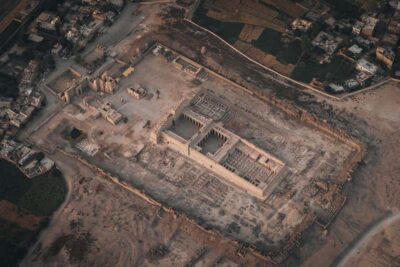
Luxury Sunrise Balloon Ride in Luxor with Hotel Pickup
Read our review →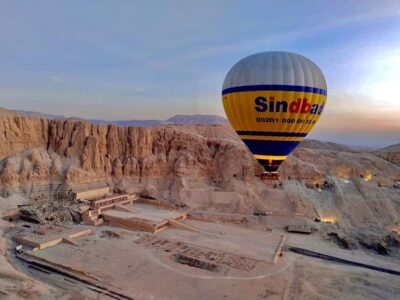
Sunrise Hot Air Balloon Over the Historical sites in Luxor
Read our review →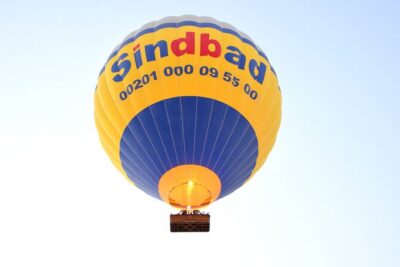
Hot Air Balloon Ride with Full-Day Sights Tour
Read our review →Browse the lists this tour appears in