
Reviewed · GIZA PYRAMIDS & SPHINX TOURS
Private Day Tour to Giza Pyramids, Memphis, Sakkara and Dahshur
Giza’s famous skyline is only the beginning here. This eight-hour Cairo day tour links the Great Pyramid, the Sphinx, Dahshur’s Bent and Red Pyramids, Saqqara tombs, and ancient Memphis in one long sweep through Egypt’s Old Kingdom sites.
I like the private vehicle and hotel pickup, which save you from piecing together distant desert sites on your own. I also like the chance to spend time at Dahshur and Saqqara, where the crowds are often less central to the experience than at Giza. The tradeoff is a packed day, plus possible stops at perfume, papyrus, cotton, and carpet shops.
In This Review
- Key points at a glance
- Why this day works for Cairo
- Giza Plateau: the essential first stop
- What Giza does not include
- Dahshur: the best change of pace
- Saqqara: tombs, inscriptions, and everyday scenes
- Memphis and its colossal remains
- The shopping stops you should plan for
- Guide quality and the private-tour difference
- Who should book this tour?
- Should you book it?
- FAQ
- What time does the tour start?
- How long does the tour last?
- Is hotel pickup included?
- Is this a private tour?
- Are entry fees included?
- Is entering a pyramid included?
- Is lunch included?
- Can I cancel for a full refund?
Key points at a glance
- Three major archaeological areas in one day: Giza, Dahshur, and Saqqara and Memphis are covered without arranging separate transport.
- Private air-conditioned vehicle: Your group receives transfers, parking, fuel, and bottled water.
- Giza’s full pyramid lineup: See Khufu, Khafre, Menkaure, the Valley Temple, and the Sphinx.
- Dahshur brings a quieter feel: The Bent Pyramid and Red Pyramid show how pyramid design changed.
- Saqqara rewards curious visitors: The Pyramid of Teti, Pyramid of Unas, and Mastaba of Ti add tombs and carved scenes beyond the postcard sights.
- Shopping stops may be included: Allow time for perfume oils, Egyptian cotton, papyrus, and handmade carpets, or state clearly that you want a sightseeing-only day.
Why this day works for Cairo
The main value is geographic. Giza, Dahshur, Saqqara, and Memphis sit outside central Cairo, and public transport is not a simple way to connect them in one day. A car with a driver removes the hardest part: figuring out the route, parking, and transfers between sites.
At $16 per person, the advertised price is unusually low for a private vehicle and a full day of driving. That price becomes especially attractive for a small group, but you need to check the exact package before paying. Entry fees, an expert guide, lunch, and access inside the pyramids may not be included. The listing also describes the guide as optional, so confirm if your price is for transport only or for transport with a licensed guide.
The tour begins at 8am with pickup at your Cairo or Giza hotel. A timely start matters. One booking described a 35-minute delay that led to reaching Giza after the crowds had grown. Ask for the pickup details in advance, and keep the provider’s contact information handy.
The activity is described as private, meaning only your group should participate. That gives you more room to ask questions and adjust the pace than a large coach tour. It does not mean every stop will be leisurely. The program covers a lot of ground in roughly eight hours.
More Cairo trips worth a second look
- Cairo: Pyramids & Great Sphinx Private Tour with Camel Ride
★ 4.9 · 6,335 reviews - Cairo 8 Hour Private Tour of Pyramids, Egyptian Museum and Bazaar
★ 5.0 · 2,931 reviews - Private ViP all-inclusive Giza Pyramids,Sphinx,Inside Pyramid
★ 5.0 · 2,448 reviews
Giza Plateau: the essential first stop
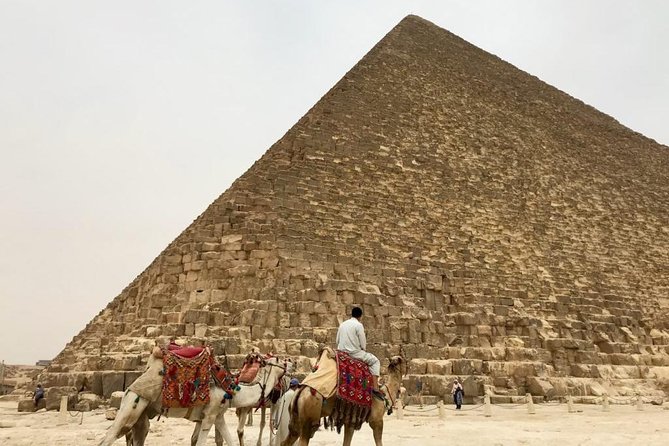
You begin with the Giza Plateau, the site most people picture when they think of Egypt. The main visit is listed at about two and a half hours, including the three royal pyramids, the Valley Temple, and the Sphinx.
Khufu’s Great Pyramid is the oldest and largest of the three. Its lower complex includes a valley temple, though much of that structure lies buried beneath the modern village of Nazlet el-Samman. For you, the important point is that Giza is not just three isolated pyramids. Each pyramid formed part of a larger funerary complex with temples, causeways, and ritual spaces.
Khafre’s pyramid is easy to recognize because it retains some of its original smooth casing near the top. Its complex included a valley temple, causeway, mortuary temple, and the Sphinx temple. Menkaure’s pyramid is smaller, but its complex included a valley temple, causeway, mortuary temple, and statues of the king.
A guide can help you see the plateau as a planned ceremonial center rather than a row of giant stone triangles. The stronger guides on this tour, including Mohammed, Wafe, Youssouf, Mario, and Christine in different bookings, were praised for explaining the monuments, answering questions, and helping with photographs. Guide quality can vary, so if history matters to you, choose the guide option rather than booking a driver alone.
The Valley Temple is connected with the mummification of Khafre’s body. It also provides one of the best settings for understanding how the Sphinx fit into the royal complex. You will have a close view of the Sphinx, with its lion body and human head traditionally linked to Khafre.
The Giza portion also brings the day’s most familiar photo opportunities. Guides have helped visitors with playful pyramid and Sphinx poses, which is useful if you are traveling alone or want more than a quick phone snapshot. You may also be offered a camel ride or interior pyramid entry, but those are not listed as standard inclusions. Treat them as optional extras and ask about the price first.
What Giza does not include
Basic area admission is included only according to the tour option selected, and interior access to the pyramids is specifically excluded. This distinction matters. You can visit the plateau and view the monuments without automatically being allowed inside Khufu, Khafre, or Menkaure.
The interior passages are cramped and physically demanding, and the extra ticket is separate. If entering a pyramid is a personal priority, arrange it clearly before the tour begins. Do not assume the low advertised price covers it.
The plateau can also be hot, exposed, and crowded. Wear shoes with a firm sole, carry sun protection, and bring water. One bottle is included, but you may want more for a full day outside.
Dahshur: the best change of pace
After Giza, the route continues south to Dahshur, about 40 kilometers south of Cairo on the west bank of the Nile. This royal necropolis contains two of Egypt’s oldest, largest, and best-preserved pyramids: the Bent Pyramid and the Red Pyramid.
The Bent Pyramid is especially useful for understanding experimentation in early pyramid building. Its lower section rises at one angle before the slope changes, creating the bent profile that gives it its name. The Red Pyramid has a more consistent shape and is often treated as a key step in the development of the smooth-sided pyramid.
The official stop is about one hour. That is enough to see the main structures and hear the basic story, but it is not a long archaeological study. Dahshur is the part I would protect if you care about ancient engineering or want a break from Giza’s most famous viewpoints.
A guide can explain how the two pyramids relate to the development of royal tomb architecture. Without a guide, you will still see impressive monuments, but the site’s importance may be less obvious. The option matters here because Dahshur rewards context more than spectacle alone.
A different kind of day out, same part of Egypt:
- Tour to Giza Pyramids and The Egyptian Museum
★ 5.0 · 6,016 reviews - VIP All inclusive Best of the best Giza Pyramids,Sakkara,Memphis
★ 5.0 · 3,164 reviews - From Cairo: Pyramids of Giza, Sphinx, Saqqara & Memphis Tour
★ 4.7 · 3,110 reviews - Cairo: Pyramids, Sakkara & Memphis Tour with Lunch
★ 4.6 · 2,493 reviews
Saqqara: tombs, inscriptions, and everyday scenes
Saqqara is the broadest part of the day. The itinerary lists the Pyramid of Teti, Pyramid of Unas, and Mastaba of Ti, with roughly 30 minutes at each.
The Pyramid of Teti is connected with Pharaoh Teti and offers an opportunity to explore ancient chambers and corridors. The Pyramid of Unas adds another layer of interest, particularly for visitors drawn to the religious writing and decoration associated with Old Kingdom pyramid interiors. Confirm current access with your guide, since individual monument entry can depend on the selected ticket option.
The Mastaba of Ti is different from a pyramid. This tomb’s walls show scenes of daily life, including work, food production, and other activities. That makes it one of the most human stops on the route. You are not looking only at royal scale here. You are seeing how ancient Egyptians represented ordinary work and social life inside a private tomb.
Saqqara also helps explain the long development of Egyptian burial architecture. The area contains monuments from different periods, and the listed stops give you a compact sample of royal pyramids and private tomb decoration.
The drawback is time. Three half-hour stops can feel hurried if you want to study inscriptions or ask detailed questions. Tell your guide which site matters most to you. Some bookings have been adjusted to suit personal interests, and a private tour gives you a better chance of making that request.
Memphis and its colossal remains
The final archaeological area is Memphis, the ancient capital traditionally dated here to around 3100 BC. The visit focuses on the colossal statue of Ramses II and the large alabaster Sphinx.
Memphis is not experienced like a complete ancient city. Much of the old capital has disappeared or lies beneath later settlement, so the visit centers on surviving sculpture and museum displays. The reclining Ramses II statue is the star. Its scale gives you a sense of the political power ancient rulers wanted to project.
The alabaster Sphinx offers a different look at royal sculpture. Together, these objects make Memphis a useful complement to the pyramids. Giza shows royal burial architecture, while Memphis points toward the administrative and ceremonial importance of the capital.
The scheduled visit is about an hour, though the itinerary also lists an hour for returning to your hotel. Keep that distinction in mind when planning dinner or an evening flight. Cairo traffic can affect the return, even when the sightseeing schedule begins on time.
The shopping stops you should plan for
The tour information includes 20-minute stops at several government or local shops:
- Paradise Perfumes Palace for natural oils
- Flower Cotton for Egyptian cotton
- Key of Life Papyrus for papyrus making and traditional artwork
- A handmade carpet school for rug weaving
These visits may appeal to you if you want souvenirs or are curious about local crafts. They also take time from the monuments. One booking specifically described three shopping stops and found the sales approach uncomfortable, particularly for a solo visitor.
You do not have to buy anything, but the pressure can still make the stop feel longer than 20 minutes. If you want a strictly archaeological day, say so when booking and repeat it to your guide. If you enjoy shopping, set a budget and compare prices rather than purchasing simply because the shop is part of the route.
A local lunch, including koshari, is optional and not included. Koshari is a filling Egyptian dish made with staples such as rice, pasta, lentils, chickpeas, and tomato sauce. Since the day already covers a great deal, a planned meal can be practical, but confirm the restaurant and price before ordering.
Guide quality and the private-tour difference
The strongest part of the experience can be the guide. Several guides received high praise for explaining dynasties, gods, monuments, and modern Egyptian life. Wafe was praised for answering a long list of questions, while Mohammed was repeatedly described as friendly, attentive, and good at taking photographs. Youssouf and driver Wahed were credited with starting on time and keeping the schedule moving, and Christine was praised for clear explanations and a caring manner.
That said, guide quality is not guaranteed by the low price alone. One booking had a guide with weak English and little enthusiasm, and another person who booked only a driver found communication difficult. A driver-only option may save money, but it leaves you without site interpretation and can create confusion at Saqqara, where there are several separate places to visit.
If you want ancient history explained in detail, pay for the expert guide option if available. If you have already studied Giza and mainly need transport, the driver-only choice may work, but confirm that the driver will take you to every selected Saqqara stop.
Who should book this tour?
I would choose this tour if you have one full day in Cairo and want to see more than Giza. It suits first-time visitors, families, small groups, and solo visitors who prefer hotel pickup and a private car over arranging several rides.
It is also a good match for anyone who wants Dahshur and Saqqara included. Many basic Cairo pyramid outings stop at Giza only. This route gives you a wider view of ancient Egyptian architecture, from the huge royal complexes at Giza to the experimental pyramids at Dahshur and the decorated tombs at Saqqara.
I would think twice if you dislike shopping stops, need a slow pace, or want lengthy time inside every monument. The itinerary is ambitious, and some site visits are only 30 minutes. You should also be cautious if the booking page does not clearly state whether your price includes a guide, admission, or lunch.
Free cancellation is available until 24 hours before the 8am start time. Changes or cancellations made inside that window are not accepted for a refund.
Should you book it?
Book it if you want a strong survey of Cairo’s pyramid country at a very low advertised price, especially with two or more people sharing the vehicle. The best moments are likely to be Dahshur’s Bent and Red Pyramids, Saqqara’s tomb scenes, and the chance to have a guide such as Mohammed, Wafe, Youssouf, Mario, or Christine bring the monuments into focus.
Before confirming, ask three direct questions: Is the guide included? Which entry tickets are covered? Can the shopping stops be skipped? If the answers are clear, this is a practical way to connect four major ancient sites in one day. If the answers are vague, book only after the package and extra costs are written down.
FAQ
What time does the tour start?
Pickup begins at 8:00am from a hotel in Cairo or Giza.
How long does the tour last?
The tour lasts approximately eight hours, including the sightseeing route and return transfer.
Is hotel pickup included?
Yes. Pickup and drop-off are offered at Cairo or Giza hotels.
Is this a private tour?
Yes. The activity is described as private, so only your group participates.
Are entry fees included?
Entry coverage depends on the tour option selected. Basic-area admission may be included, while optional entrances and interior access can cost extra.
Is entering a pyramid included?
No. Entry inside any of the pyramids is not included as a standard feature.
Is lunch included?
No. Lunch at a local restaurant, including koshari, is optional.
Can I cancel for a full refund?
Yes, if you cancel at least 24 hours before the experience start time. Cancellations made less than 24 hours in advance are not refunded.
Recently reviewed around Cairo
- White Desert Overnight Camping Sharing Tour in Egypt★ 5.0 · 15 reviews
- Cairo Best 2Days tour Pyramids, Saqqara & Old Cairo★ 5.0 · 15 reviews
- Giza Pyramids with (GEM) Grand Egyptian Museum★ 5.0 · 42 reviews
- sunset at Giza pyramids by camels★ 5.0 · 31 reviews
- Tour to Giza pyramids Memphis Sakkara and Felucca on the Nile★ 5.0 · 16 reviews
- visit the pyramids of Giza + the necropolis of Saqqara + the Memphis site.★ 4.5 · 20 reviews
- Private guided shopping tour in Khan el-Khalili with Lunch★ 4.5 · 21 reviews
- Private Giza pyramid,sphinx, Mummification temple& inside pyramid★ 5.0 · 32 reviews
Giza Pyramids & Sphinx Tours, compared.
Pyramids & Great Sphinx Private Tour with Camel Ride
Read our review →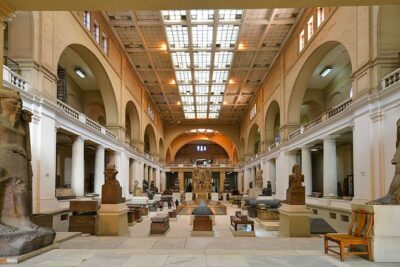
Tour to Giza Pyramids and The Egyptian Museum
Read our review →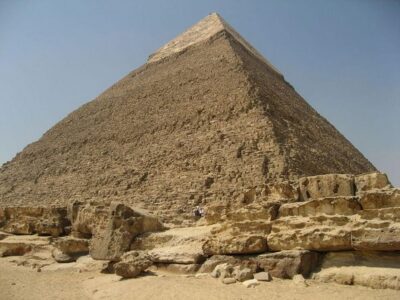
VIP All inclusive Best of the best Giza Pyramids,Sakkara,Memphis
Read our review →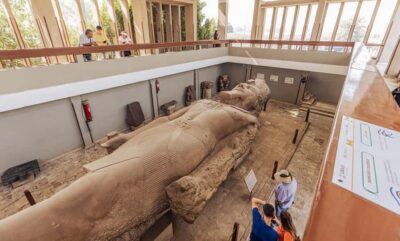
Pyramids of Giza, Sphinx, Saqqara & Memphis Tour
Read our review →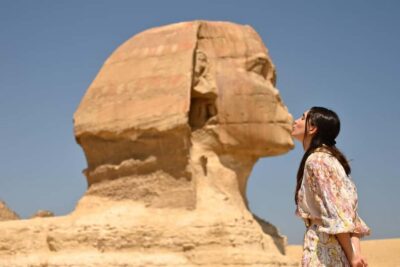
Half-Day Tour to Pyramids of Giza and the Sphinx
Read our review →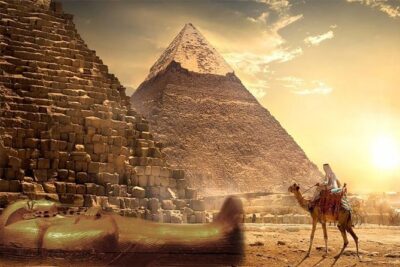
Private ViP all-inclusive Giza Pyramids,Sphinx,Inside Pyramid
Read our review →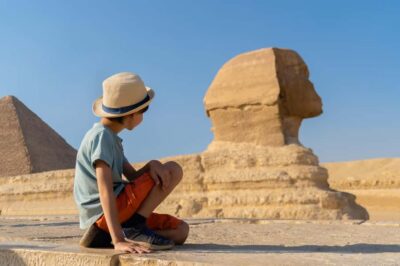
Grand Egyptian Museum, Pyramids, Sphinx Tour & Lunch
Read our review →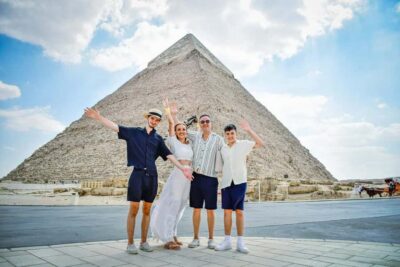
Cairo Pyramids, Sphinx & Egyptian Museum Day Trip
Read our review →Browse the lists this tour appears in