
Reviewed · MEMPHIS & SAQQARA TOURS
Private Day Tour to Memphis Sakkara and Dahshur from Cairo
The most rewarding part of this six-hour trip is seeing how Egyptian pyramid design changed over time. At Saqqara, you’ll face the Step Pyramid of Djoser, while Dahshur brings you close to the Red Pyramid and the striking Bent Pyramid. Memphis adds fallen monuments and a huge Ramses II statue.
I like the private format, since guides such as Mohamed, Mahmoud, Titto, and Galal have tailored the pace and added extra tombs or sites when time allowed. I also like the quiet feel of Dahshur, where you may have far more space than at Giza. The main drawback is a tight schedule, with no planned lunch stop and possible pressure to visit shopping outlets after the archaeological sites.
In This Review
- Key points to know before you book
- Why Saqqara and Dahshur make a better second pyramid day
- Memphis: fallen monuments and the giant Ramses II statue
- Saqqara and the first stone pyramid
- The Serapeum and Saqqara’s extra sights
- Dahshur’s Bent Pyramid and Red Pyramid
- How the private vehicle and guide affect the day
- Timing, food, pickup, and extra costs
- Who will get the most from this tour
- Booking advice and final verdict
- FAQ
- How long does the private tour last?
- Is transportation included?
- Is this a private group experience?
- Are entrance tickets included?
- Is food or lunch included?
- Can I cancel for a full refund?
Key points to know before you book
- Three major sites in one half-day: Visit Memphis, Saqqara, and Dahshur in roughly six hours.
- Pyramid design comes alive: See the early Step Pyramid, the Bent Pyramid, and the Red Pyramid in one outing.
- Private attention: Your group travels alone with a guide and driver, rather than joining a large coach.
- Tombs matter as much as pyramids: Saqqara may offer some of the most memorable wall scenes and ancient texts.
- Comfortable transport: Transfers use a modern, air-conditioned vehicle, with pickup offered in Cairo and Giza.
- Plan for extras: Pickup outside the central service area, optional entrances, food, and unlisted purchases cost more.
Why Saqqara and Dahshur make a better second pyramid day
Giza gets the fame, but the sites south of Cairo explain the story behind the famous skyline. This private tour links three places that show Egypt moving from early royal monuments toward the smooth-sided pyramids most people picture.
At Memphis, you’ll see the remains of an ancient capital. Saqqara presents the first stone pyramid and decorated burial spaces. Dahshur then shows the bold experiments that led to the classic pyramid form.
That sequence gives the day a clear theme. You are not simply ticking off three ruins. You are watching royal architects solve a difficult problem: how to build a stable monument that could carry a king toward the afterlife.
The private setup makes this especially useful if you want history explained in plain language. Guides have included Mohamed, Ahmed, Mahmoud Badr, Henry Ayoub, Walid, Rasha, Galal, and Titto. The quality of the day depends partly on who is assigned, but the best guides bring the walls, statues, and burial customs into a story you can follow.
More Cairo trips worth a second look
- Cairo: Pyramids & Great Sphinx Private Tour with Camel Ride
★ 4.9 · 6,335 reviews - Cairo 8 Hour Private Tour of Pyramids, Egyptian Museum and Bazaar
★ 5.0 · 2,931 reviews - Private ViP all-inclusive Giza Pyramids,Sphinx,Inside Pyramid
★ 5.0 · 2,448 reviews
Memphis: fallen monuments and the giant Ramses II statue
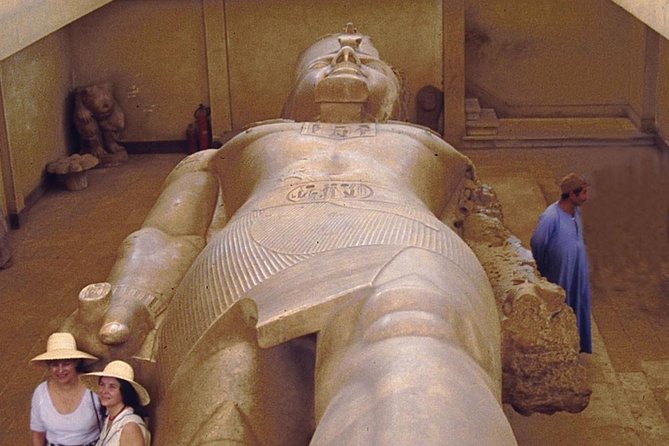
Memphis comes first in the listed route, with about 45 minutes at the site. Do not expect a complete ancient city. Much of Memphis is gone, but the surviving pieces give you a useful introduction to royal power in Egypt.
The main attraction is the enormous fallen statue of Ramses II. Even lying on its back, the figure is huge. Look closely at the carving and the scale of the body. It helps you grasp the labor and planning behind royal monuments better than a textbook can.
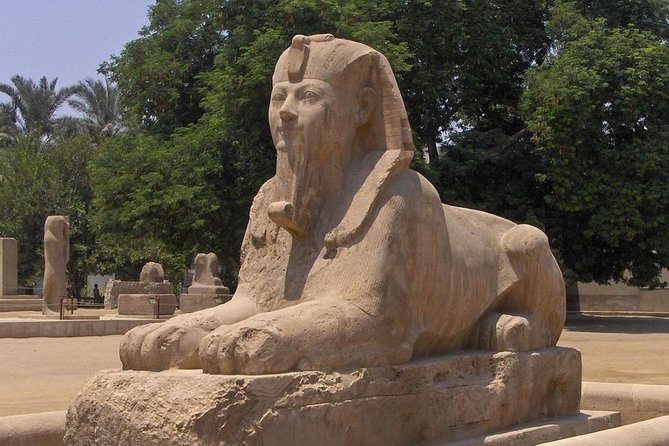
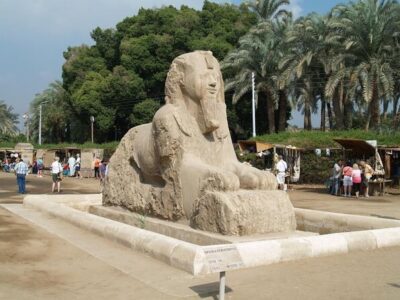
You’ll also see an alabaster sphinx and a memorial plaque. The remains are scattered, so your guide’s explanation matters here. A good guide can connect the fragments to Memphis’s role as an ancient capital and explain why the city mattered through different periods of Egyptian history.
The 45-minute visit is enough for the major objects, but not enough for a slow archaeological study. If you enjoy standing quietly before individual inscriptions, you may wish this stop had more time. For most people, though, Memphis works well as a short opening visit before the larger Saqqara complex.
Saqqara and the first stone pyramid
Saqqara receives about two hours, making it the heart of the day. The site is much more than one pyramid. It is a large funerary area with tombs, temples, inscriptions, colors, and monuments from different phases of ancient Egypt.
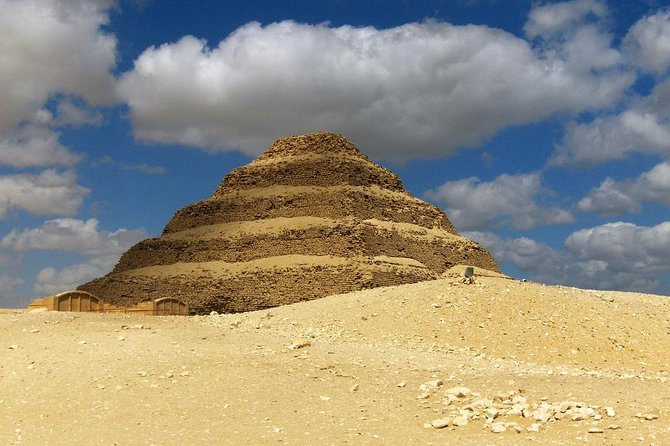
The Step Pyramid of Djoser is the headline attraction. Built for King Djoser, it is described as Egypt’s oldest stone pyramid and the first stone structure in the world. Its stacked shape looks different from the smooth pyramids at Giza, and that difference is the point. The monument shows an early stage in the development of pyramid building.
Your guide can explain the role of the architect Imhotep, the planning of the funerary temple, and the way the pyramid formed part of a larger ceremonial complex. Try not to view it as an isolated pile of stone. The surrounding buildings and courtyards were part of the royal burial setting.
Saqqara also rewards you inside the tombs. The walls preserve scenes of daily work, offerings, farming, and ritual. Some painted decoration has kept its color for more than 4,000 years, and the ancient religious texts are among the oldest written texts known from Egypt.
This is where the private format can pay off. If you are interested in symbols, burial rituals, or the lives of ordinary workers, ask your guide to slow down and explain the details. Galal, for example, has been praised for linking tomb scenes to daily life and pharaonic customs. Other guides have added less-visited tombs and sites when the schedule allowed.
One useful tip: ask at the start which tombs are included and which require an added entrance fee. An account of this tour specifically advised paying for optional pyramid entrances directly if you choose to add them. The basic experience includes admission to the listed stops, but extras are not included.
The Serapeum and Saqqara’s extra sights
The main route focuses on the Step Pyramid and funerary monuments, but Saqqara has other important areas. The Serapeum, an underground complex connected with the burial of sacred Apis bulls, is described as unforgettable by one visitor to the tour.
Do not assume every extra site is part of the standard price. The route information confirms the three main stops, while individual guides may adjust the visit. If the Serapeum or a particular tomb matters to you, tell the guide before setting off and ask about entrance costs.
The value of these added stops is clear. The Step Pyramid explains the early shape of royal burial monuments, while the tombs and underground spaces show how religious belief shaped the whole funerary district. You get a fuller picture of Saqqara by looking beyond the biggest pyramid.
Still, two hours passes quickly. You cannot inspect every corner of this broad archaeological area. I would rather see one or two tombs with a careful explanation than race through several sites for photographs.
A different kind of day out, same part of Egypt:
- Tour to Giza Pyramids and The Egyptian Museum
★ 5.0 · 6,016 reviews - VIP All inclusive Best of the best Giza Pyramids,Sakkara,Memphis
★ 5.0 · 3,164 reviews - From Cairo: Pyramids of Giza, Sphinx, Saqqara & Memphis Tour
★ 4.7 · 3,110 reviews - Cairo: Pyramids, Sakkara & Memphis Tour with Lunch
★ 4.6 · 2,493 reviews
Dahshur’s Bent Pyramid and Red Pyramid
The final listed stop is Dahshur, with about one hour at the pyramids. This royal necropolis dates back more than 4,600 years and contains monuments tied to King Snefru, including the Bent Pyramid and the Red Pyramid.
The Bent Pyramid is the visual surprise. Its lower section rises at a steep angle, then changes direction partway up, giving it the misshapen profile that makes it so memorable. The altered shape reflects the challenges ancient builders faced as they worked toward the smooth-sided pyramid form.
The Red Pyramid shows a later solution. Its reddish stone and broad, clean shape make it an important step in pyramid design. Together, these two monuments let you compare an experiment with a more successful final form.
Some people are able to enter two of the older pyramids during the visit. Going inside can be hard work, with narrow passages and demanding climbs, so consider your comfort before agreeing. The effort can be worthwhile, but the exterior views alone make Dahshur valuable.
The area is also known for its quieter feel. You may find fewer people around the pyramids than at Giza, which gives you room to look, take photographs, and listen without the same level of distraction. That quieter setting is one of the strongest reasons to choose this tour.
The itinerary also refers to Middle Kingdom monuments, including the Black Pyramid. The exact time available for these remains depends on the day’s pace and the guide’s choices. With only about an hour at Dahshur, ask for a clear plan if you want to see more than the Bent and Red Pyramids.
How the private vehicle and guide affect the day
The tour uses a modern, air-conditioned vehicle for all transfers. That matters in Cairo, where road travel can be tiring and the archaeological sites are spread south of the city. A private vehicle also means your group does not have to wait for a large bus to load and unload.
The tour is private, so only your group participates. This gives you a better chance to ask questions and request more time at a tomb or pyramid. It does not guarantee a slow pace, however. One account found parts of the day rushed, so you should speak up if you want fewer stops and more time at the main sites.
Drivers have also received praise for clean vehicles and calm handling of Cairo’s crowded roads. A cold bottle of water in the vehicle has been noted as a welcome touch, though you should not treat refreshments as a full meal service.
Guides have been described as humorous, patient, energetic, and strong storytellers. Those qualities make a real difference at Saqqara, where a wall covered in symbols can either feel confusing or become a scene about food, work, offerings, and family life.
The guide’s language ability also matters. English-speaking guides are assigned, but their depth and accuracy may vary. Ask questions, request clarification, and check that the explanation matches what you are seeing. A private tour gives you the chance to shape the conversation instead of simply following a fixed script.
Timing, food, pickup, and extra costs
The advertised length is about six hours. That is enough for the three main sites, but this is a packed half-day rather than a leisurely full-day archaeological visit.
There is no planned lunch break. Bring something to eat if you need regular meals, and expect the day to focus on sightseeing rather than restaurants. The schedule may also feel tighter if traffic slows the journey between Cairo and the sites.
Pickup is offered, but the standard service covers centrally located Cairo and Giza hotels. Pickup from the airport or points outside the city carries an additional charge. The same applies to drop-off outside the normal area, so confirm your exact address before booking.
The listed price is $85.50 per person. For a private tour with transport, a guide, taxes, and service charges included, that can be fair value, especially for two or more people sharing the experience. You are paying for convenience and personal attention as well as entrance to the listed sites.
The price does not include unlisted extras. Optional pyramid or tomb entrances, meals, shopping purchases, and out-of-area transfers should be treated as separate costs. The tour has also included stops at an essential-oils shop and a papyrus shop for some groups. You may be offered these after the main sites, so be firm if you prefer to return to Cairo.
Who will get the most from this tour
I would choose this trip if you have already seen Giza or want a more complete introduction to pyramid development. It suits people who care about ancient engineering, tomb decoration, royal burial customs, and the connection between monuments and religious belief.
It is also a good fit for couples, families, and small groups who want to set their own pace. The private format is useful when one person wants detailed history and another mainly wants photographs, since you can negotiate how long to spend at each stop.
You should think twice if you want a slow, highly structured museum-style experience. Six hours, three sites, and Cairo traffic leave little room for lingering. Anyone with mobility concerns should also consider the effort required to enter some pyramids, especially the narrow passages mentioned in connection with the Bent Pyramid.
The tour is not limited to history specialists. A well-prepared guide can make the sites accessible, but you will get more from the day if you read a little about Djoser, Snefru, Ramses II, and ancient Egyptian burial customs beforehand.
Booking advice and final verdict
This is a strong choice for seeing Saqqara and Dahshur without the crowds associated with Giza. Memphis is a shorter stop, but the Ramses II statue and sphinx add useful context. Saqqara supplies the richest range of tombs and inscriptions, while Dahshur gives you the best look at pyramid design changing in real time.
Book it if you value a private guide, air-conditioned transport, and the freedom to ask for more detail. Before the day begins, confirm pickup, ask which optional entrances are available, and state clearly that you want archaeology rather than shopping stops.
I would not book it if you need a guaranteed lunch, a relaxed pace, or a fully fixed list of every tomb included. For most people seeking a practical half-day beyond Giza, though, the combination of Djoser’s Step Pyramid, Memphis, the Bent Pyramid, and the Red Pyramid offers excellent value.
FAQ
How long does the private tour last?
The tour lasts about six hours, including visits to Memphis, Saqqara, and Dahshur.
Is transportation included?
Yes. Transfers between Cairo and the archaeological sites use a modern, air-conditioned vehicle.
Is this a private group experience?
Yes. Only your group participates, with a private guide and driver.
Are entrance tickets included?
Admission to the three listed stops is included. Extra entrances not mentioned in the route, such as optional pyramid or tomb access, are not included.
Is food or lunch included?
No lunch is listed as part of the tour. You should come prepared if you need food during the six-hour outing.
Can I cancel for a full refund?
Yes, if you cancel at least 24 hours before the local start time. Cancellations or changes made within 24 hours are not refunded or accepted.
Recently reviewed around Cairo
- White Desert Overnight Camping Sharing Tour in Egypt★ 5.0 · 15 reviews
- Cairo Best 2Days tour Pyramids, Saqqara & Old Cairo★ 5.0 · 15 reviews
- Giza Pyramids with (GEM) Grand Egyptian Museum★ 5.0 · 42 reviews
- sunset at Giza pyramids by camels★ 5.0 · 31 reviews
- Tour to Giza pyramids Memphis Sakkara and Felucca on the Nile★ 5.0 · 16 reviews
- visit the pyramids of Giza + the necropolis of Saqqara + the Memphis site.★ 4.5 · 20 reviews
- Private Giza pyramid,sphinx, Mummification temple& inside pyramid★ 5.0 · 32 reviews
- Private guided shopping tour in Khan el-Khalili with Lunch★ 4.5 · 21 reviews
Memphis & Saqqara Tours, compared.
VIP All inclusive Best of the best Giza Pyramids,Sakkara,Memphis
Read our review →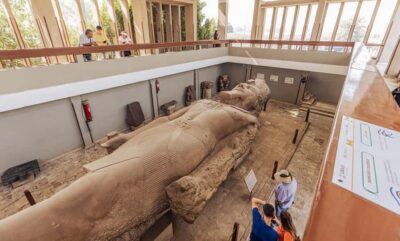
Pyramids of Giza, Sphinx, Saqqara & Memphis Tour
Read our review →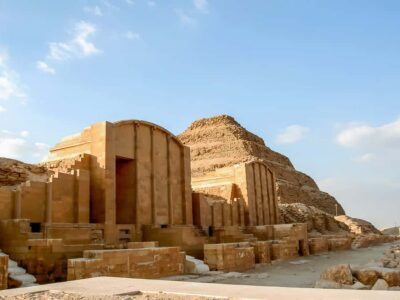
Private Day Tour Giza Pyramids, Sphinx, Memphis, and Saqqara
Read our review →
Private tour: GIza Pyramids, Memphis City & Sakkara Pyramid
Read our review →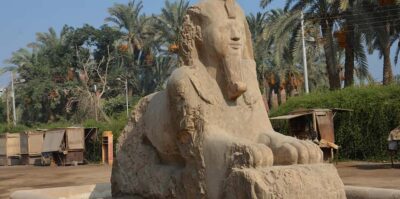
Sakkara, Memphis & Dahshur (Pyramid & Felucca Options)
Read our review →
Private Full-Day Tour to Giza Pyramids,Sphinx,Memphis, and Saqqara
Read our review →
All-inclusive Private Trip Giza Pyramids Sphinx Saqqara, Dahshur
Read our review →Browse the lists this tour appears in