Reviewed · CAIRO TOURS
Private Half Day Tour to Islamic Cairo
Islamic Cairo is best understood on foot, but reaching its major mosques is much easier by car. This private half-day tour links the Citadel, Muhammad Ali Mosque, Al Rifai, Sultan Hassan, Al Azhar, Hussein Mosque, and Khan El Khalili without asking you to manage Cairo traffic or find each entrance alone.
I like the small private format, which lets your guide adjust the pace and answer your questions. I also like the mix of grand monuments and daily life, from high Citadel views to the lanes of Khan El Khalili. The main consideration is time: seven stops in about five hours means some visits will be brief, and entry fees or guide services may depend on the option you choose.
In This Review
- Key points to know before booking
- Why Islamic Cairo works best with a guide and car
- Starting high at the Cairo Citadel
- Muhammad Ali Mosque and the famous alabaster walls
- Al Rifai and Sultan Hassan: Cairo’s great architectural pairing
- Al Azhar, Cairo’s first mosque
- Hussein Mosque and a living religious quarter
- Walking through Khan El Khalili
- The guide can make or break the day
- What to wear and bring for mosque visits
- Is $8 a genuine bargain?
- Who should book this half-day tour?
- Should you book it?
- FAQ
- How long does the Islamic Cairo tour last?
- Where does pickup take place?
- Is the tour private?
- What transportation is included?
- Which places are visited?
- Are entrance fees included?
- Is a guide included?
- What should I wear?
- Can I cancel for a full refund?
Key points to know before booking
- The Citadel gives you Cairo from above: Start with one of the city’s best broad views, then visit the famous Muhammad Ali Mosque.
- Four major mosque and madrasa visits add real depth: Al Rifai and Sultan Hassan sit opposite one another, making their contrast especially useful to see with a guide.
- A private car saves energy: Hotel pickup and drop-off are included from Cairo or Giza, along with private air-conditioned transfers.
- Dress for mosque visits: Wear long pants and bring a jacket or scarf to cover your arms and head if needed.
- Guides make the difference: Asmaa, Heba, Khalaf, Mahmoud Ismael, Karim, and others have been praised for clear explanations, patience, and flexibility.
- The price needs a careful check: The advertised rate is $8 per person, but entrance fees and possibly guide services are listed as optional.
Why Islamic Cairo works best with a guide and car
Islamic Cairo is not one isolated attraction. It is a broad area filled with mosques, old schools, tombs, alleys, markets, and busy roads. The landmarks are close enough to combine, yet not always simple to reach in a logical order.
That is where this tour earns its keep. Your driver handles the transfers while your guide explains what you are seeing. You do not need to bargain with a taxi driver, study a map between stops, or arrive at a monumental mosque without knowing why it matters.
The private setup is especially useful for couples, families, and small groups. You travel only with your own party, so a guide can spend more time on the questions that interest you. One guide, Heba, adjusted the visit to suit a guest’s needs, while Mahmoud Ismael was praised for explaining clearly and sorting out problems as they arose.
The tour lasts about five hours. Pickup is generally arranged from a Cairo or Giza hotel, with an advertised start around 8:00 a.m. The written timing also mentions a 10:00 a.m. pickup, so confirm your exact start time before the day begins. Cairo traffic can be intense, and the road time between sights may change the pace.
More Cairo trips worth a second look
- Cairo: Pyramids & Great Sphinx Private Tour with Camel Ride
★ 4.9 · 6,335 reviews - Cairo 8 Hour Private Tour of Pyramids, Egyptian Museum and Bazaar
★ 5.0 · 2,931 reviews - Private ViP all-inclusive Giza Pyramids,Sphinx,Inside Pyramid
★ 5.0 · 2,448 reviews
Starting high at the Cairo Citadel
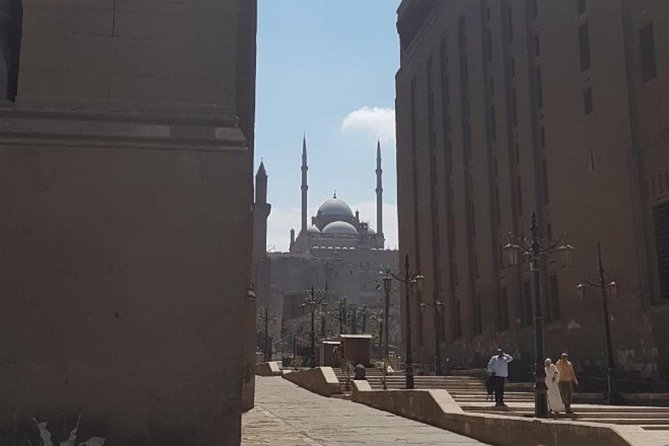
The Citadel of Salah El Din is a strong opening because it gives you both a major monument and a sense of Cairo’s scale. Built on high ground, the complex looks across the city, and your guide can explain its role in Cairo’s Islamic story while you take photographs.
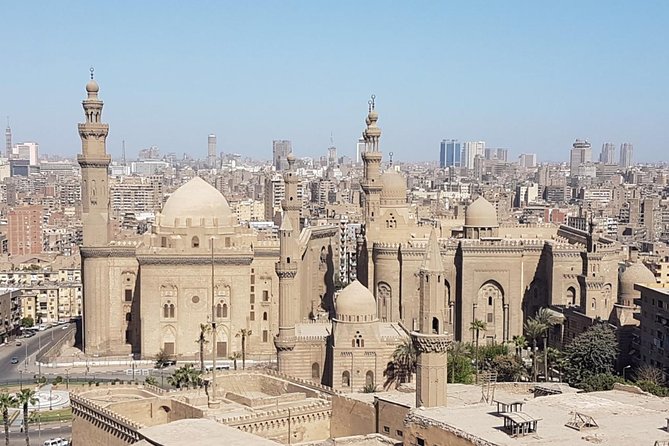
The view is one of the practical highlights. From here, the city’s dense urban spread makes more sense than it does from street level. You can also see why this site held such importance for rulers: it offered a commanding position above the older city.
Plan on roughly an hour at the Citadel area, including the mosque visit that follows. The grounds and views deserve more than a quick photograph, but the schedule is tight. If photography matters greatly to you, tell your guide early so you do not spend the full stop indoors.
Muhammad Ali Mosque and the famous alabaster walls
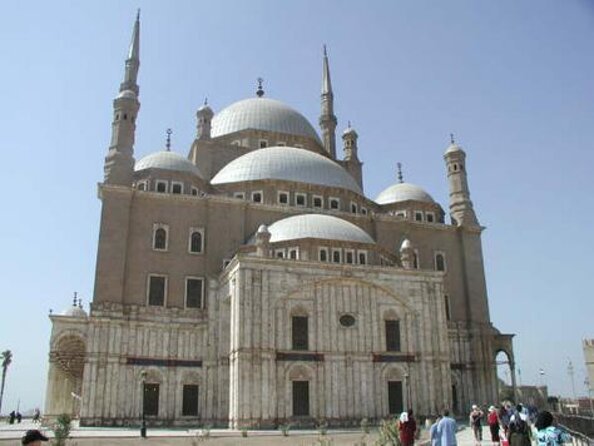
Inside the Citadel, the Muhammad Ali Mosque is often called the Alabaster Mosque because alabaster covers much of its outer walls. Its large interior, domes, and decorative details make it one of Cairo’s most recognizable Islamic buildings.
Your guide can point out the elements that are easy to miss when you simply walk in, take a picture, and leave. Look up at the high dome and pay attention to the repeated Islamic decoration and calligraphy. The building is grand and open, with a strong sense of scale.
The scheduled visit is about 30 minutes. That is enough for an introduction and photographs, but not enough for a slow architectural study. If you are especially interested in Islamic art, ask for more explanation here and consider spending less time browsing the market later.
Al Rifai and Sultan Hassan: Cairo’s great architectural pairing
The next two stops offer one of the tour’s most useful comparisons. Al Rifai Mosque sits opposite the Mosque-Madrasa of Sultan Hassan, so you can see two major buildings together and compare their style, purpose, and period.
Al Rifai belongs to a later campaign by Egypt’s 19th-century rulers. Its design was meant to connect modern rulers with the prestige of earlier Islamic Cairo while also helping modernize the city. Inside, the building feels ceremonial and carefully finished.
Across from it, Sultan Hassan presents the massive power of the Mamluk era. Construction began in 1356 and ended about three years later. The mosque was designed as a madrasa, or religious school, for all four Sunni schools of thought: Shafi’i, Maliki, Hanafi, and Hanbali.
This is the place where a good guide adds the most value. The buildings are impressive even without explanation, but their relationship becomes far clearer when someone points out the contrast. Asmaa was praised for explaining the development of the Muslim world in Egypt and for drawing attention to handmade decorative details. Guides such as Khalaf have also been praised for patience and for making the architecture easier to understand.
The schedule allows about an hour at Al Rifai and about 30 minutes at Sultan Hassan. That may feel backward if Sultan Hassan is your main interest. Tell your guide if you want to give the Mamluk mosque more time, since the private format may allow some adjustment.
A different kind of day out, same part of Egypt:
- Tour to Giza Pyramids and The Egyptian Museum
★ 5.0 · 6,016 reviews - VIP All inclusive Best of the best Giza Pyramids,Sakkara,Memphis
★ 5.0 · 3,164 reviews - From Cairo: Pyramids of Giza, Sphinx, Saqqara & Memphis Tour
★ 4.7 · 3,110 reviews - Cairo: Pyramids, Sakkara & Memphis Tour with Lunch
★ 4.6 · 2,493 reviews
Al Azhar, Cairo’s first mosque
Al Azhar Mosque takes you back to the Fatimid foundation of Cairo. Construction was commissioned in 970 for the newly established capital, and the mosque’s name is commonly linked to Fatimah, the daughter of the Prophet Muhammad, through the title az-Zahra, meaning shining or resplendent.
Al Azhar is important not only for its appearance but also for its place in Cairo’s religious life. Cairo later earned the nickname City of a Thousand Minarets, and Al Azhar was the first mosque established in the city.
The planned stop lasts about 30 minutes. That is a quick visit, so listen closely when your guide explains the mosque’s origins and role. The tour’s strength here is context. You get more from Al Azhar when you understand that it belongs to the earliest phase of Islamic Cairo, rather than treating it as simply another beautiful mosque.
As with the other religious sites, access rules can affect your visit. Follow your guide’s advice on clothing and behavior, and be prepared for the possibility that one mosque may enforce modesty rules more strictly than another.
Hussein Mosque and a living religious quarter
The visit to Al Emam Al Hussein Mosque adds a different kind of importance. The mosque is believed to hold the burial site of the head of Hussein, the grandson of the Prophet Muhammad, making it a deeply revered place for many Muslims.
This stop is not only about architectural detail. It gives you a chance to see how Islamic Cairo remains a lived religious district rather than a collection of preserved monuments. Keep your voice low, follow instructions, and treat the site as an active place of worship.
The planned visit is around 30 minutes. That is enough for an orientation, though the schedule does not allow a long, quiet exploration. Your guide’s role is useful here because the meaning of the site may not be obvious from its exterior or decorative details.
Walking through Khan El Khalili
The final stop is Khan El Khalili, Cairo’s old market quarter. After several formal monuments, the market changes the mood completely. You leave behind courtyards and domes and enter narrow lanes lined with shops selling souvenirs, jewelry, spices, lamps, and other goods.
The walking portion lasts about an hour. That gives you time to browse, take in the street scenes, and buy something if you wish. It is also where the private guide arrangement can help. Asmaa, for example, was praised for helping with bargaining and for patiently searching for the right purchases.
Still, do not assume every shop offers a bargain. Compare prices, decide what you really want, and keep your belongings close. A guide can help you understand the shopping routine, but you remain responsible for agreeing to the final price.
Khan El Khalili is a good ending because it lets you experience Cairo at street level. The monuments explain the city’s rulers and religious institutions. The market shows how commerce, craft, and social life continue around them.
The guide can make or break the day
The strongest part of this experience is the human explanation. Names associated with particularly positive visits include Asmaa, Heba, Khalaf, Mahmoud Ismael, Karim, Kufifi, and Mamdouh Kamal. You cannot assume a specific person will be assigned, but it is fair to request a guide who can explain architecture and answer questions in your language.
The most useful guide will do more than recite dates. You want someone who can compare Al Rifai with Sultan Hassan, explain why the Citadel was built where it is, identify details in the mosque interiors, and tell you when to slow down or move on.
Several guides have also been praised for kindness and flexibility. That matters in Cairo, where traffic, access rules, heat, and the interests of your group can affect the day. The private format gives your guide room to adjust the experience, though the number of stops still makes this a brisk tour.
A private driver is another practical advantage. The vehicle is described as clean and comfortable, and bottled water is included. Driving in Cairo can be stressful, so having an experienced driver manage the roads lets you focus on the city outside the window.
What to wear and bring for mosque visits
Dress conservatively from the start. One person was refused entry to a mosque because the arms were not covered from the elbows to the wrists. Long pants are the safest choice, and you should bring a jacket or scarf that can cover your arms and head.
A scarf is useful even if you are not sure you will need it. It takes little space and avoids losing time at an entrance. Comfortable shoes also matter because the tour includes walking through the market and moving around large religious complexes.
Bring water, though a bottle is included. A phone or camera is useful for the Citadel views and architectural details, but always follow instructions about photography inside religious buildings.
Is $8 a genuine bargain?
At $8 per person, the advertised price is remarkably low for a private car, hotel pickup, drop-off, and a five-hour route. If that rate applies to the option you select, it can be an excellent way to cover a large area without arranging separate taxis.
You need to read the inclusions carefully. Hotel transfers, private transport, the private activity, and bottled water are included. Lunch is optional, and entry fees are listed as optional or dependent on the selected tour option. Guide service is also listed separately in the exclusions, even though the experience is described as guided.
That mismatch is the main booking concern. Before paying, confirm exactly what the $8 covers, including the guide, entrance tickets, and any chosen tour option. The basic area entry may not include every part of a monument. A cheap starting price is useful only if you understand the final cost.
Lunch is not required for a five-hour visit, but an optional meal may be added. One account describes a buffet with a wide range of food, though drinks were not included. Ask about the meal price and drinks before agreeing.
Who should book this half-day tour?
You should consider it if you have limited time in Cairo and want the main Islamic sights arranged in one outing. It is also a good fit if Cairo’s traffic and street layout feel intimidating, or if you prefer having a private guide rather than joining a larger group.
Families may appreciate the private vehicle and the ability to ask for a slower pace. The tour also suits anyone interested in Islamic architecture, especially because it combines the Alabaster Mosque, two contrasting monumental mosques, Al Azhar, and the market.
It is less suitable if you want long, quiet visits at each site. Seven stops in about five hours is ambitious. You will see a lot, but you may need to choose between detailed study and a broad introduction.
The tour is described as suitable for most participants and close to public transportation, though pickup and drop-off are provided. Free cancellation is available if you cancel at least 24 hours before the local start time. Changes or cancellations inside that window are not refundable.
Should you book it?
Book this tour if you want an efficient first look at Islamic Cairo, value a private guide, and are happy with a brisk schedule. The Citadel view, the Muhammad Ali Mosque, the Al Rifai and Sultan Hassan pairing, and the walk through Khan El Khalili make a strong half-day route.
I would book it after confirming the final price and inclusions in writing. Ask specifically if a guide and all intended entrance fees are covered, then dress modestly and request extra time at Sultan Hassan or the mosque that interests you most. With those details settled, this is a practical, good-value introduction to one of Cairo’s most rewarding districts.
FAQ
How long does the Islamic Cairo tour last?
The tour lasts approximately five hours.
Where does pickup take place?
Hotel pickup and drop-off are offered from hotels in Cairo or Giza.
Is the tour private?
Yes. Only your group participates in the private activity.
What transportation is included?
Transfers are provided by private, air-conditioned vehicle.
Which places are visited?
The route includes the Cairo Citadel, Muhammad Ali Mosque, Al Rifai Mosque, Sultan Hassan Mosque and Madrasa, Al Azhar Mosque, Al Emam Al Hussein Mosque, and Khan El Khalili.
Are entrance fees included?
The information says entrance fees depend on the tour option selected and that basic area entry may be included. Confirm the exact ticket coverage before booking.
Is a guide included?
The experience is described as guided, but guide service also appears in the exclusions. Confirm whether your selected option includes a guide.
What should I wear?
Wear long pants and bring a jacket or scarf to cover your arms and head. Strict clothing rules may apply at some mosques.
Can I cancel for a full refund?
Yes, if you cancel at least 24 hours before the experience start time. Cancellations or changes made less than 24 hours in advance are not refunded.
Recently reviewed around Cairo
- White Desert Overnight Camping Sharing Tour in Egypt★ 5.0 · 15 reviews
- Cairo Best 2Days tour Pyramids, Saqqara & Old Cairo★ 5.0 · 15 reviews
- Giza Pyramids with (GEM) Grand Egyptian Museum★ 5.0 · 42 reviews
- sunset at Giza pyramids by camels★ 5.0 · 31 reviews
- Tour to Giza pyramids Memphis Sakkara and Felucca on the Nile★ 5.0 · 16 reviews
- visit the pyramids of Giza + the necropolis of Saqqara + the Memphis site.★ 4.5 · 20 reviews
- Private Giza pyramid,sphinx, Mummification temple& inside pyramid★ 5.0 · 32 reviews
- Private guided shopping tour in Khan el-Khalili with Lunch★ 4.5 · 21 reviews
Cairo Tours, compared.

Pyramids & Great Sphinx Private Tour with Camel Ride
Read our review →
Tour to Giza Pyramids and The Egyptian Museum
Read our review →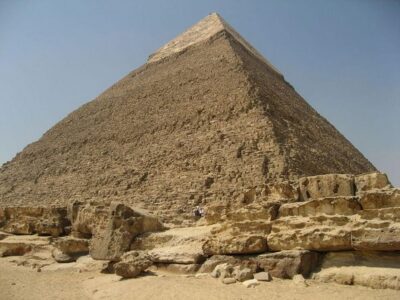
VIP All inclusive Best of the best Giza Pyramids,Sakkara,Memphis
Read our review →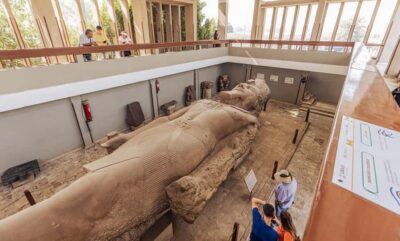
Pyramids of Giza, Sphinx, Saqqara & Memphis Tour
Read our review →
Cairo 8 Hour Private Tour of Pyramids, Egyptian Museum and Bazaar
Read our review →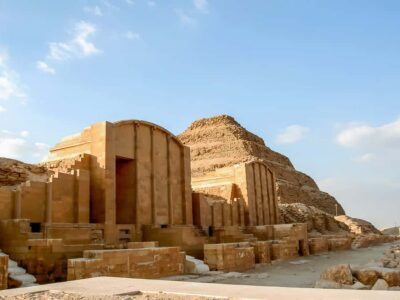

Private ViP all-inclusive Giza Pyramids,Sphinx,Inside Pyramid
Read our review →