
Reviewed · LUXOR WEST BANK TOURS
Luxor: Valley of the Kings and Hatshepsut Temple Day Tour
The best part of this five-hour West Bank tour is the way it joins Luxor’s three essential sights without making you arrange separate taxis, tickets, and lunch. I like the careful timing, especially when your guide is Alaa Hassan or Asma, and I like the balance between guided explanations and free time inside the sites. The main drawback is that five hours goes quickly, and extra tombs at the Valley of the Kings cost more.
I also like the practical care built into the day. Guides keep an eye on the clock, help with ticket choices, and often make the busy Valley of the Kings easier to manage. Lunch is included, but drinks are not, and a French, German, or Spanish guide requires an added charge.
In This Review
- Key points to know before booking
- Why the West Bank is the right place to begin
- Hotel pickup and the trip across Luxor
- Valley of the Kings: choose your tombs carefully
- Hatshepsut Temple and its three terraces
- Colossi of Memnon, a quick but worthwhile stop
- Local lunch with Egyptian dishes
- The guides make the largest difference
- Who should book this five-hour tour?
- Should you book the West Bank tour?
- FAQ
- How long does the Luxor West Bank tour last?
- What sites are included?
- Is hotel pickup included?
- Is lunch included?
- How many tombs can I enter at the Valley of the Kings?
- Are entrance fees included in the $50 price?
- What languages are available?
- Is this a private tour?
- Can I cancel the booking?
Key points to know before booking
- Three major West Bank stops: Visit the Valley of the Kings, Hatshepsut Temple, and Colossi of Memnon in one organized outing.
- Guides who explain rather than simply point: Alaa Hassan, Asma, Mohamed Refaaie, Fatma Anas, Salma, and other named guides are praised for clear English and useful historical detail.
- Flexible tomb choices: The standard entrance usually covers three tombs, while special tombs such as Seti I or Tutankhamun require an extra fee.
- Small groups are possible: Several departures had groups of about seven people, while one group had 18, so size can vary.
- Local lunch included: Expect a buffet or selection of Egyptian dishes, with drinks paid separately.
- Simple cancellation terms: You can cancel up to 24 hours ahead for a full refund and reserve without paying immediately.
Why the West Bank is the right place to begin
Luxor is split by the Nile into two very different halves. The East Bank holds much of the modern city and famous temple complexes, while the West Bank is where ancient Egypt’s royal tombs and funerary monuments spread across the desert.
This excursion focuses tightly on that West Bank story. You move from hidden royal burial places to a grand temple built for a queen, then finish with the giant statues linked to Amenhotep III. The order gives you a useful thread: how Egypt honored its rulers after death, and how royal power was displayed through stone, painting, and ritual.
At $50 per person, the package offers solid value if the selected option includes entrance fees. You get hotel pickup and drop-off, an English guide, transport, lunch, taxes, and service charges. That is a fair price for a short visit when you want the practical work handled for you.
Check the exact booking option carefully. Entrance fees are included only if that option is selected, and additional tombs are not part of the basic visit. The advertised duration is five hours, so this is best treated as a concentrated half-day tour, not a leisurely full-day exploration of every monument in Luxor.
Other Luxor days travellers weigh against this one:
- Hurghada: Luxor Valley of the Kings & Tutankhamun Tomb Trip
★ 4.7 · 13,208 reviews - Luxor Day Trip from Hurghada Small Group & Tutankhamun Tomb
★ 4.8 · 5,366 reviews - Hot Air Balloon Ride in Luxor Egypt with Transfers Included
★ 5.0 · 4,319 reviews
Hotel pickup and the trip across Luxor
The day begins with pickup from your hotel in Luxor. You will be sharing transport with other people, although the group may be small. The information supplied for this experience does not promise one fixed group size, and the actual size can range from a handful of people to around 18.
That variation matters. A small group can make it easier to ask questions, choose an extra tomb, and move at your own pace. A larger group may take longer to gather at each stop, though a strong guide can keep everyone together. Salah Hussain, Alaa Hassan, Bishoy, Mohammed Refaaie, and Fatma Anas are among the guides praised for punctuality, communication, and group care.
You should receive pickup communication before the tour. Several guides are described as contacting their groups in advance and confirming the meeting details. That small step is useful in Luxor, where hotel entrances and local traffic can make a vague pickup plan stressful.
The driver is an important part of the experience. The available feedback repeatedly describes polite, careful driving and transport that ran on time. One driver, Waeel, even helped locate missing belongings twice, though you should treat that as an individual act of kindness rather than a promised service.
Valley of the Kings: choose your tombs carefully
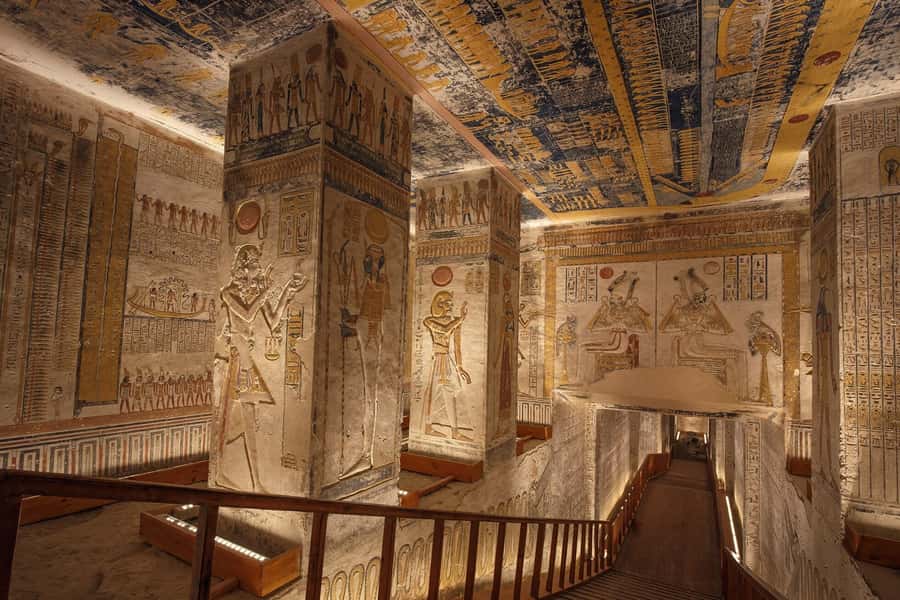
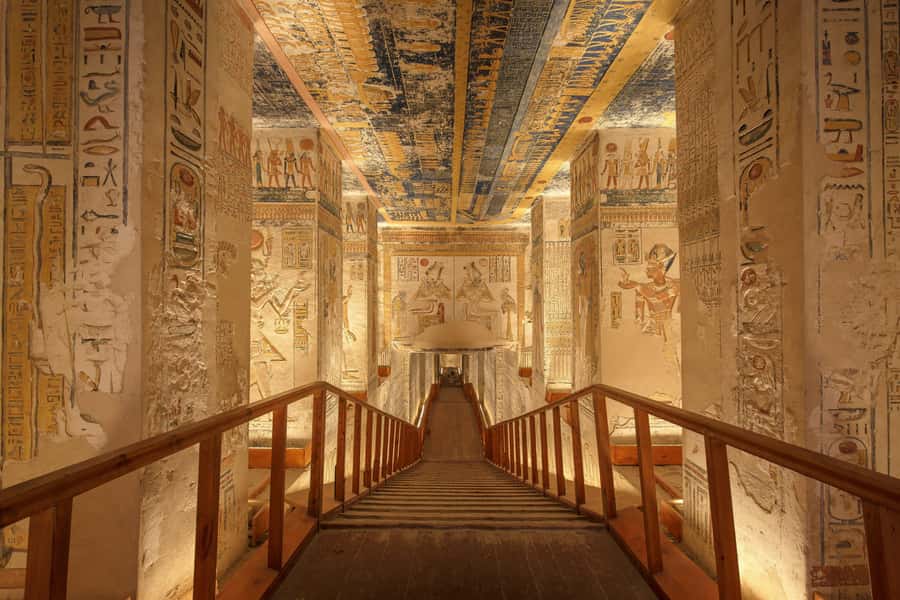
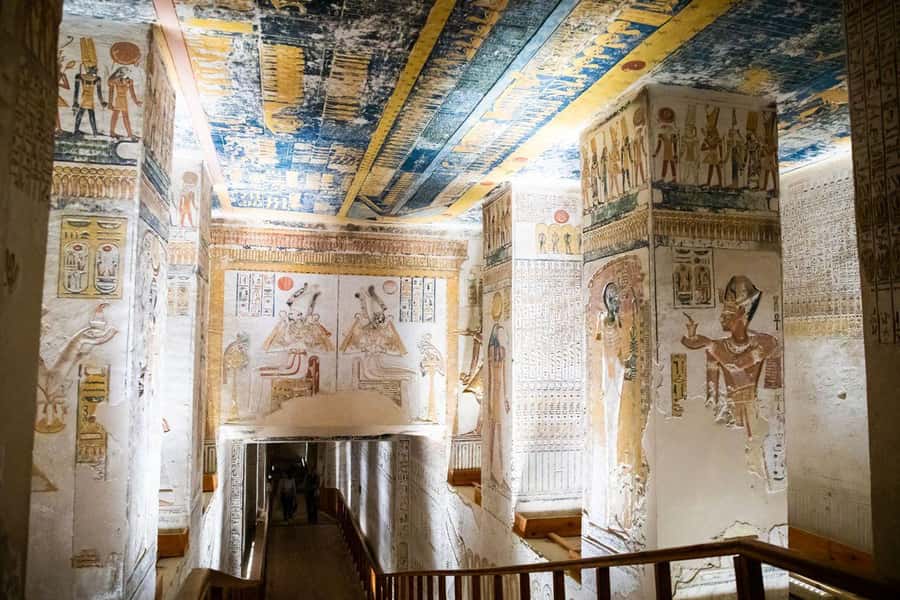
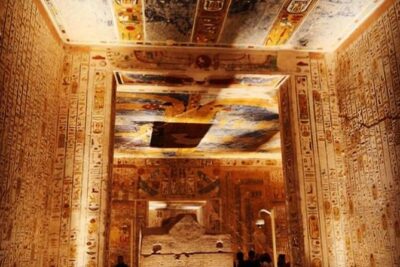
The Valley of the Kings is the main event. Also called the Valley of the Gates of the Kings, it is a dry valley cut into the hills on Luxor’s West Bank. Instead of grand pyramids rising above the ground, royal burial chambers were placed inside the rock, with painted corridors leading down into the earth.
Your guide will explain the tombs before you enter. Guides are not allowed inside the tombs themselves, so the best ones prepare you with photographs and background information beforehand. That is useful because the painted walls can be overwhelming at first. Once inside, you can look for the scenes and symbols your guide has already pointed out.
The standard ticket generally permits entry to three tombs. The exact choice can affect your visit more than the number alone. Some tombs are simpler and easier to see quickly, while premium tombs such as Seti I and Tutankhamun require an additional payment. Alaa Hassan is repeatedly praised for explaining these extra costs clearly and helping people decide without pressure.
If you care about ancient decoration, budget for an extra tomb if your interests match the available choices. One person specifically selected Seti I, while another paid to see Tutankhamun’s tomb. These upgrades are not necessary for a satisfying visit, but they can be worthwhile if you want more than the basic three.
Expect some walking, heat, and uneven ground. The experience details do not provide a formal accessibility description, so anyone with mobility concerns should ask the operator before booking. You will also want water, a hat, and shoes suited to dry, rocky paths. Those are sensible preparations for an exposed archaeological site.
The valley can feel crowded and confusing at busy times. This is where timing makes a real difference. Guides such as Asma and Bishoy are praised for arranging the stops to avoid the heaviest crowds, while Alaa Hassan is noted for handling tickets and keeping the visit moving. No guide can empty the valley, but good scheduling can make the tombs feel far less hurried.
Take your own time once you are inside. The best format is a short explanation from the guide, followed by space to look closely and take photographs where permitted. Several guides are praised for allowing this balance instead of talking nonstop at every doorway.
Hatshepsut Temple and its three terraces
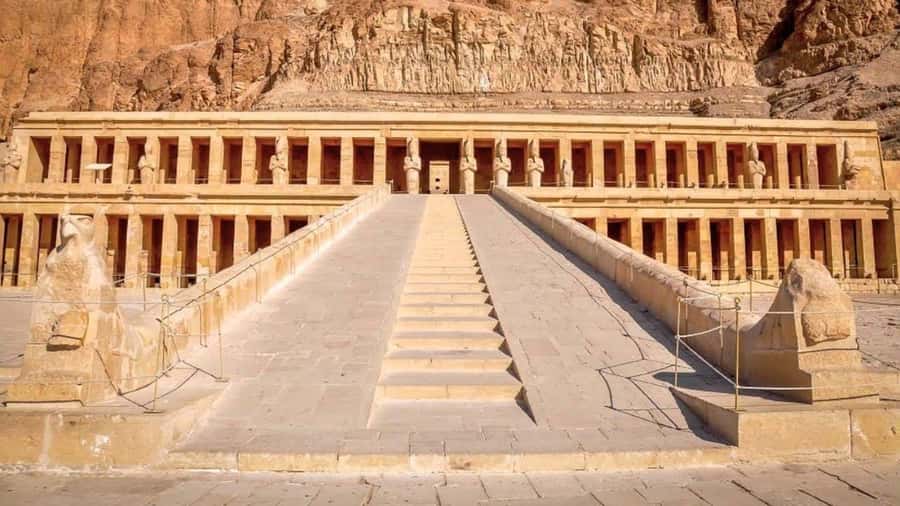
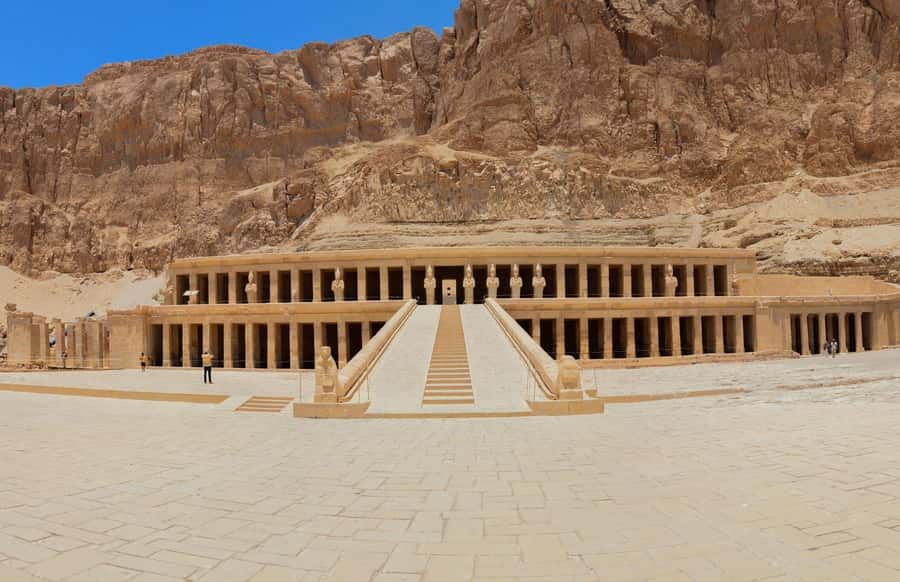
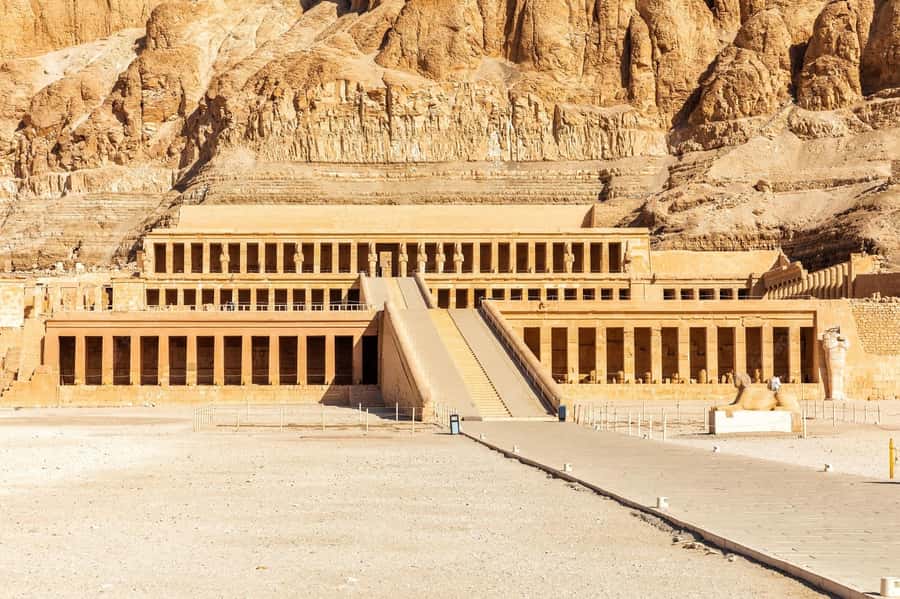
From the valley, the tour continues to the Mortuary Temple of Queen Hatshepsut at Deir el-Bahari. The temple is built against the cliffs, with three broad terraces rising from the desert floor toward the rock face.
This is a very different experience from the tombs. In the valley, you move through narrow underground spaces filled with painted images. At Hatshepsut’s temple, the scale opens up. Long lines, terraces, ramps, columns, and cliffs work together to create a powerful view from the approach.
Hatshepsut ruled Egypt as a female pharaoh, and the temple reflects both political authority and religious purpose. Your guide should explain the meaning of the reliefs, the role of the temple, and the stories shown in the carvings. Guides including Asma, Alaa Hassan, and Fatma Anas are praised for discussing hieroglyphs, Egyptian customs, and the meaning behind the monuments in clear English.
I would give this stop room for photographs. The terraces and cliffs make it one of the easiest places on the route to appreciate through pictures, but the best images usually require a little patience. If your group is managed well, you can hear the explanation, then wander for a few minutes on your own.
Crowds can gather here too, especially when several buses arrive together. A guide who adjusts the order or timing can make the visit more comfortable. Asma is specifically praised for reaching the temple when it had very few people around, but conditions will vary by day.
Do not expect a long, unstructured visit. The five-hour schedule has to cover three sites, transport, and lunch. You will see the key terraces and hear the main story, but anyone who wants to study every relief should consider a private or longer itinerary.
A different kind of day out, same part of Egypt:
- Luxor: Shared Full-Day Tour to Luxor West and East Banks
★ 4.5 · 1,812 reviews - Luxor: Hot Air Balloon Ride over Luxor Relics
★ 4.8 · 1,681 reviews - Luxor Day Tour: Valley of Kings & Queens & Hatchepsut Temples
★ 5.0 · 1,496 reviews - Full Day Tour to East and West Banks of Luxor
★ 5.0 · 1,449 reviews
Colossi of Memnon, a quick but worthwhile stop
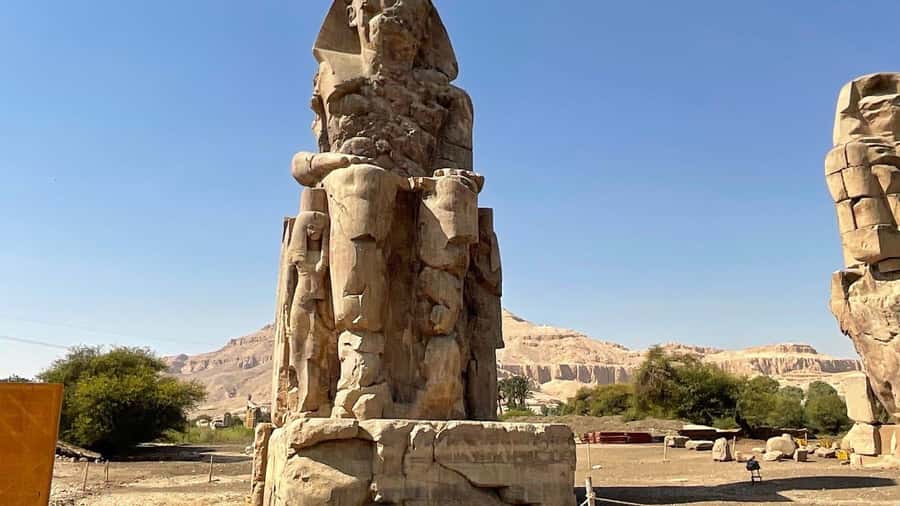
The final monument stop is the Colossi of Memnon, two huge seated statues associated with the mortuary temple of Amenhotep III. The statues are easy to reach and make a strong photo stop after the tombs and temple.
This visit is usually shorter than the Valley of the Kings or Hatshepsut Temple. That is not a flaw. After a morning of walking and concentrating on ancient scenes, a brief stop lets you see another major landmark without adding a long block of time.
Your guide can explain the connection with Amenhotep III and the mortuary temple that once occupied the area. The statues also give you a sense of the sheer scale of royal building projects, even though much of the original temple is no longer visible.
If you want extended time here, ask at the beginning of the tour. The published schedule presents the Colossi as one part of a compact route, so the stop is primarily for orientation, photographs, and context.
Local lunch with Egyptian dishes
After the monuments, you go to a local restaurant for lunch. Lunch is included, and the available descriptions point to a buffet or a selection of Egyptian dishes. Several people describe the food as tasty, authentic, home cooked, or varied.
A meal is more than a convenient filler on this route. The Valley of the Kings and Hatshepsut Temple can be tiring, and sitting down gives you a proper pause before returning to your hotel. One lunch venue was described as having a rooftop view, while another was praised for an attractive setting.
The exact restaurant and menu may vary. You should also remember that drinks are not included. Bring money for water, soft drinks, or other beverages, since one person specifically noted paying separately for drinks.
The meal appears designed for efficiency as well as local flavor. That suits a five-hour outing, but it may not satisfy someone seeking a long, slow food experience. Think of it as a useful Egyptian lunch built into a sightseeing day, not a dedicated culinary tour.
The guides make the largest difference
The monuments provide the reason to book, but the guide shapes how much you take away. A good explanation before entering a tomb can turn painted walls into a readable story. A poor explanation can leave you with little more than a series of impressive photographs.
Alaa Hassan receives especially strong praise for clear English, humor, historical detail, timing, photography help, and a calm approach to optional extras. He is also described as giving people free time instead of controlling every minute. If the booking system allows a guide request, asking for Alaa may be worthwhile, though availability cannot be guaranteed.
Asma is a good choice for travelers who care about crowd timing and a gentle pace. She is praised for arranging a quieter visit to Hatshepsut Temple, explaining hieroglyphs, and checking that everyone was comfortable.
Mohamed Refaaie is described as professional, engaging, and easy to understand. Fatma Anas is praised for clear English, Egyptian cultural explanations, and giving people enough time for pictures. Salah Hussain, Bishoy, Salma, Omar, Aladdin, Ali Hassan, and Mohamed Shahat are also named as guides who offered useful explanations, good organization, or extra care.
The languages listed for the activity are English, French, German, and Spanish. The base arrangement is described around an English guide, while French, German, or Spanish guidance carries an additional cost. Confirm the language and supplement before you pay.
Who should book this five-hour tour?
I would recommend this outing to you if you have limited time in Luxor and want the West Bank essentials covered in one morning or afternoon. It suits first-time visitors who prefer a guide to manage transport, ticketing, timing, and the order of stops.
It is also a good fit if you want historical context but still need room to explore alone. The strongest guide pattern here is not a nonstop lecture. You get explanations before the site, then time to walk, take pictures, and look around.
Families may appreciate the short format and the guides’ attention to children. Couples and small groups should like the option of asking questions and considering extra tombs. Solo visitors can benefit from organized transport and a group setting.
I would hesitate if you want a slow archaeological study, a private vehicle, or a full survey of Luxor’s monuments. Karnak Temple and Luxor Temple are not part of this route, and the five-hour schedule cannot cover every tomb or relief in detail.
The price also needs a careful check. At $50, it is attractive when entrance fees are included, but the value changes if you must add entrance tickets, premium tombs, drinks, or a language supplement. The tour remains convenient, but compare the final total rather than looking only at the headline price.
Free cancellation up to 24 hours before departure and reserve-now, pay-later booking make it easier to fit into a changing Egypt itinerary. Starting times depend on availability, so check the available slot and the entrance-fee option together.
Should you book the West Bank tour?
Book it if you want a well-organized introduction to Luxor’s West Bank, especially with limited time. The strongest reasons are the three-site route, included lunch, hotel transfers, and guides who can explain tomb choices and manage a busy day.
Before booking, confirm four things: the group size, whether entrance fees are included, the cost of premium tombs, and the language of your guide. If you can request Alaa Hassan, Asma, Mohamed Refaaie, or Fatma Anas, do so, but keep in mind that guide assignment depends on availability.
For most first-time visitors, this is a practical and good-value way to see the Valley of the Kings, Hatshepsut Temple, and Colossi of Memnon without spending the day negotiating transport. Just keep your expectations realistic: it is a concentrated five-hour introduction, not an exhaustive tour of every ancient site.
FAQ
How long does the Luxor West Bank tour last?
The tour lasts five hours. It includes hotel pickup and drop-off, the three main sightseeing stops, and lunch.
What sites are included?
The route includes the Valley of the Kings, the Mortuary Temple of Queen Hatshepsut at Deir el-Bahari, and the Colossi of Memnon associated with Amenhotep III.
Is hotel pickup included?
Yes. Hotel pickup and drop-off in Luxor are included.
Is lunch included?
Yes. Lunch at a local restaurant is included. Drinks are not included and must be paid for separately.
How many tombs can I enter at the Valley of the Kings?
The standard ticket generally allows entry to three tombs. Additional tombs, including premium choices such as Seti I or Tutankhamun, require an extra payment.
Are entrance fees included in the $50 price?
Entrance fees are included if you select the option that includes them. Check the chosen option before booking.
What languages are available?
The activity lists English, French, German, and Spanish guides. French, German, or Spanish guidance may require an additional cost.
Is this a private tour?
No. The experience is described as a group tour. Group size can vary, with some groups reported at around seven people and others reaching about 18.
Can I cancel the booking?
Yes. You can cancel up to 24 hours in advance for a full refund. Reserve-now, pay-later booking is also available.
Recently reviewed around Luxor
- Private Full Day West Bank: Valley of kings Hatshepsut &More★ 4.9 · 40 reviews
- Luxor: Karnak and Luxor Temples Private Half-Day Tour★ 4.7 · 27 reviews
- From Luxor: 3-Day Nile Cruise to Aswan with Private Guide★ 4.2 · 147 reviews
- From Hurghada: Luxor Private Guided Day Tour with Lunch★ 4.6 · 28 reviews
- Marsa Alam: Snorkeling with Sea Turtles Marsa Mubarak★ 4.9 · 26 reviews
- Marsa Alam : Over Day Tour to Luxor & Balloon Ride & Felucca★ 4.4 · 29 reviews
- Luxor: Valley of The Kings and Hatshepsut Temple Day Trip★ 4.3 · 55 reviews
- Luxor: Sound & Light Show at Karnak with Hotel Transfers★ 4.3 · 22 reviews
Luxor West Bank Tours, compared.
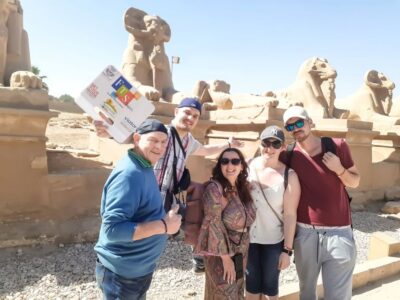
Luxor Valley of the Kings & Tutankhamun Tomb Trip
Read our review →
Luxor Tour with Valley of Kings, Karnak & Tut Tomb
Read our review →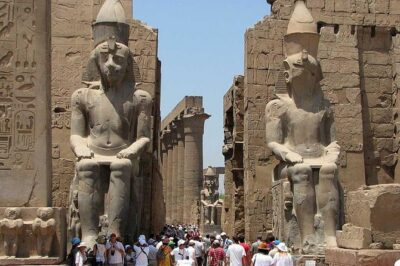
Valley of Kings, Hatchepsut Temple ,Karnak & Luxor-DayTour
Read our review →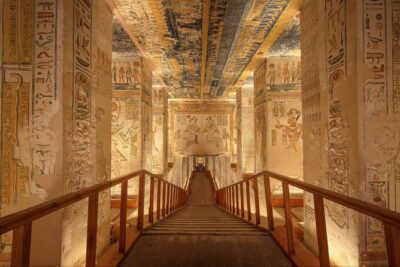
Full Day Tour of Luxor West Bank Temples and Tombs (Private)
Read our review →
Small Group Excursion to Luxor Valley of the Kings from Hurghada
Read our review →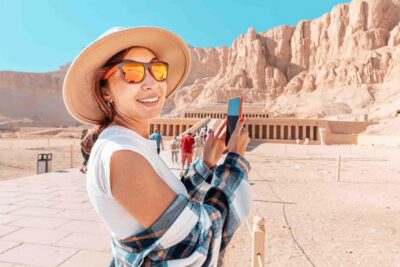
Valley of Kings Hatshepsut & Karnak Luxor Day Trip
Read our review →
Valley of the Kings and Queens Guided Tour with Lunch
Read our review →Browse the lists this tour appears in